
Bulk Lead Ore Solutions for Global Metallurgical Industries
The global metallurgical industry, a cornerstone of modern civilization, relies heavily on the efficient and cost-effective extraction and processing of raw materials. Among these, lead ore plays a vital role, finding application in batteries, construction materials, radiation shielding, and various other critical sectors. However, the sourcing, handling, and processing of bulk lead ore present significant challenges, ranging from environmental concerns to logistical complexities and the need for advanced metallurgical techniques. This article will delve into the diverse solutions available for managing bulk lead ore, examining the stages from mine to metal, emphasizing sustainable practices, and highlighting the technological advancements shaping the future of the industry.
I. Sourcing and Characterization of Lead Ore
The journey of lead begins with its extraction from the earth. Lead ores are typically found in association with other metals, such as zinc, silver, and copper. Galena (PbS), a lead sulfide mineral, is the most common primary ore, but other lead minerals like cerussite (PbCO3) and anglesite (PbSO4) also contribute to global supply, especially in weathered or oxidized deposits. The geological context of these deposits varies significantly, impacting the mining methods and subsequent processing requirements.
-
Mining Methods: Lead ore extraction employs both surface and underground mining techniques, depending on the orebody’s depth, geometry, and grade.
-
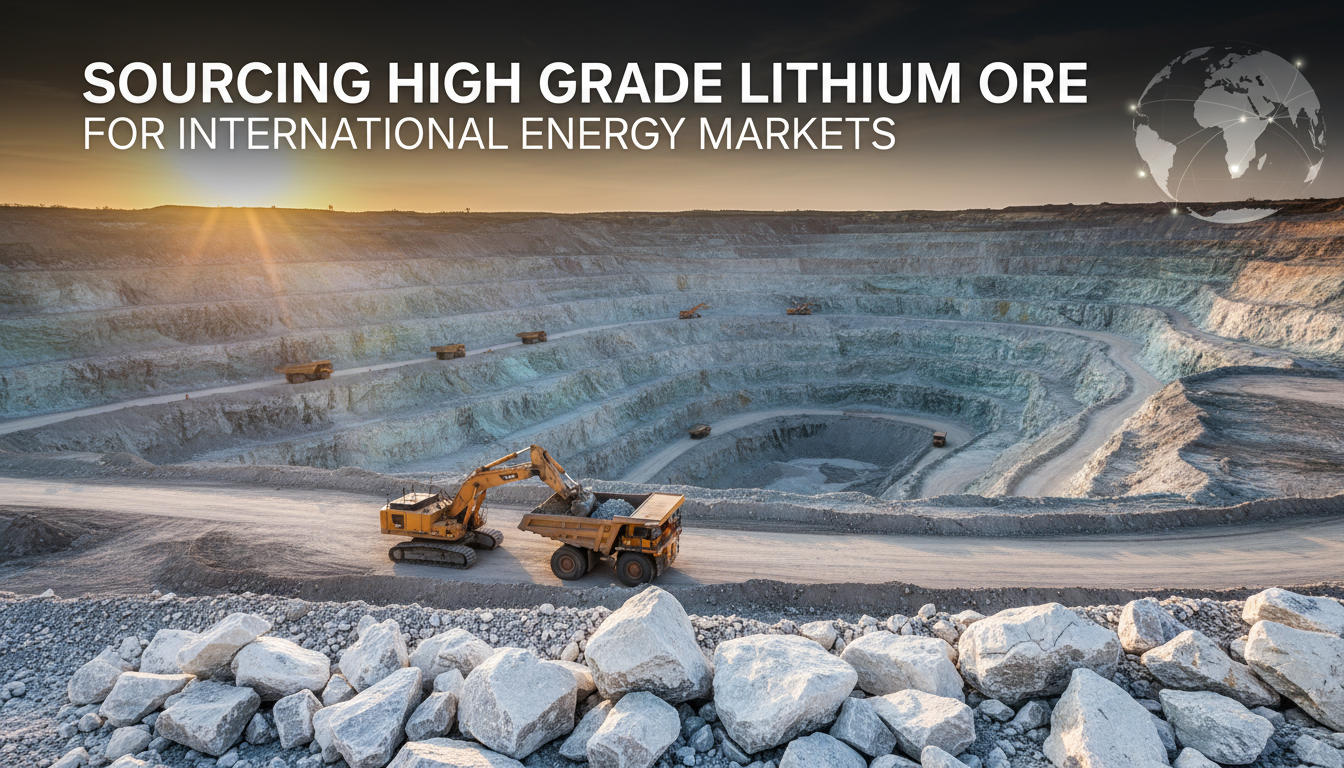
Open-pit mining is suitable for shallow, large-scale deposits. This method involves removing overburden (waste rock and soil) to expose the orebody, which is then extracted using heavy machinery like excavators and trucks. Open-pit mining offers higher production rates but carries significant environmental consequences, including habitat destruction, dust generation, and potential water contamination.
- Underground mining is preferred for deeper, more concentrated ore bodies. Techniques like room-and-pillar mining, cut-and-fill mining, and sublevel stoping are employed to extract the ore while maintaining structural integrity. Underground mining minimizes surface disturbance but poses challenges related to worker safety, ventilation, and ground control.
-
-
Ore Characterization: Before processing, a thorough understanding of the ore’s mineralogical composition, chemical analysis, and physical properties is crucial. This characterization informs the selection of appropriate beneficiation and metallurgical processes. Techniques employed include:
- X-ray Diffraction (XRD): Identifies the crystalline minerals present in the ore.
- X-ray Fluorescence (XRF): Determines the elemental composition of the ore.
- Optical Microscopy and Scanning Electron Microscopy (SEM): Provides visual information about the ore’s texture, mineral associations, and particle size distribution.
- Chemical Assays: Quantify the concentration of lead and other valuable or deleterious elements.
- Geometallurgical Modeling: Integrates geological, mining, and metallurgical data to predict process performance and optimize resource utilization.
The data obtained from ore characterization enables metallurgists to tailor the processing route to maximize lead recovery while minimizing waste generation and environmental impact. This is particularly important for complex ores containing multiple valuable metals or problematic gangue minerals.
II. Beneficiation and Concentration
Raw lead ore typically contains a low percentage of lead and is mixed with unwanted materials (gangue). Beneficiation processes aim to concentrate the valuable lead minerals while rejecting the gangue, thereby increasing the efficiency of downstream metallurgical operations.
-
Crushing and Grinding: The first step involves reducing the ore particle size to liberate the lead minerals from the gangue. Crushing and grinding circuits employ jaw crushers, cone crushers, and ball mills to achieve the desired particle size distribution. Careful control of particle size is essential for optimal liberation and subsequent separation.
-
Flotation: This is the most widely used method for concentrating lead sulfide minerals, particularly galena. Flotation relies on the differences in surface properties between the lead minerals and the gangue.
-
Principle: Finely ground ore is mixed with water and reagents in a flotation cell. These reagents, known as collectors, selectively adsorb onto the surface of the lead minerals, making them hydrophobic (water-repelling). Air is then bubbled through the slurry, and the hydrophobic lead mineral particles attach to the air bubbles and rise to the surface, forming a froth that is skimmed off as concentrate. Depressants are used to prevent unwanted minerals from floating, ensuring the selectivity of the process.
- Optimization: Flotation performance is highly dependent on factors such as pH, reagent dosage, particle size, and slurry density. Sophisticated control systems are employed to optimize these parameters in real-time, maximizing lead recovery and concentrate grade.
-
-
Gravity Concentration: This method separates minerals based on their density differences. Techniques like jigging, spiral concentration, and dense media separation are used to selectively recover heavier lead minerals. Gravity concentration is often used as a pre-concentration step to reduce the load on the flotation circuit or to recover coarser lead particles that are not amenable to flotation.
- Magnetic Separation: This technique is applicable when the lead ore contains magnetic minerals, either as valuable components or as gangue. High-intensity magnetic separators can be used to selectively remove magnetic minerals, improving the concentrate grade or reducing the amount of iron in the downstream processing.
The selection of the appropriate beneficiation process or combination of processes depends on the specific characteristics of the ore, including its mineralogy, particle size distribution, and the presence of interfering minerals.
III. Pyrometallurgical Processing: Smelting
Smelting is a high-temperature pyrometallurgical process used to extract lead from the concentrate produced by beneficiation. Smelting involves heating the concentrate in the presence of a reducing agent (typically coke or coal) to convert the lead minerals into molten lead metal.
-
Roasting: Before smelting, lead sulfide concentrates are often roasted to convert the sulfide minerals to oxides, which are more readily reduced in the smelting furnace. Roasting involves heating the concentrate in air at elevated temperatures, oxidizing the sulfur to sulfur dioxide (SO2). The SO2 gas is captured and processed to produce sulfuric acid, minimizing air pollution. Fluidized bed roasters are commonly used for their high throughput and efficient sulfur removal.
-
Smelting Furnaces: Several types of smelting furnaces are used in the lead industry, each with its advantages and disadvantages.
-
Blast Furnace: The blast furnace is a traditional technology for lead smelting. It is a vertical shaft furnace in which the roasted concentrate, coke, fluxes (e.g., limestone, silica), and recycled materials are charged at the top, and preheated air is blown in at the bottom. The coke provides the heat and acts as the reducing agent, converting lead oxides to molten lead metal. The molten lead and slag (a mixture of oxides and silicates) collect at the bottom of the furnace and are tapped separately. Blast furnaces are relatively simple to operate but generate significant dust and emissions.
-
Submerged Arc Furnace (SAF): The SAF is an electrically heated furnace in which the charge is submerged in molten slag. Electrodes are inserted into the furnace, and an electric current is passed through the slag, generating heat that melts the charge and reduces the lead oxides. SAFs offer better control over the smelting process and can handle a wider range of feed materials than blast furnaces. They also produce less dust and emissions.
- Imperial Smelting Furnace (ISF): The ISF is a specialized furnace designed to smelt both lead and zinc simultaneously. It is a complex process that involves selective oxidation and reduction of the two metals. ISFs are typically used for complex ores containing both lead and zinc.
-
- Slag Treatment: The slag produced during smelting contains valuable metals, including lead, zinc, and copper. Slag treatment processes are employed to recover these metals and minimize waste disposal. Techniques include slag fuming (blowing air through molten slag to volatilize lead and zinc oxides) and slag cleaning (using electric furnaces to reduce the metal content of the slag).
Smelting is an energy-intensive process that generates significant emissions, including sulfur dioxide, particulate matter, and heavy metals. Modern smelting plants employ advanced technologies to minimize these emissions and comply with stringent environmental regulations.
IV. Hydrometallurgical Processing: Leaching and Electrowinning
Hydrometallurgical processes offer an alternative to smelting for extracting lead from concentrates or secondary materials. Hydrometallurgy involves dissolving the lead minerals in a suitable solvent (leaching) and then recovering the lead metal from the solution using electrowinning.
-
Leaching: The first step in hydrometallurgical processing is leaching, which involves dissolving the lead minerals in a suitable leachant. Several leachants can be used, including sulfuric acid, nitric acid, and chloride solutions. The choice of leachant depends on the mineralogy of the feed material and the desired process conditions.
-
Acid Leaching: Sulfuric acid is a commonly used leachant for lead concentrates and secondary materials. The leaching process involves reacting the lead minerals with sulfuric acid to form lead sulfate (PbSO4), which dissolves in the acid solution. The leaching process is typically carried out at elevated temperatures and pressures to improve the dissolution rate.
- Chloride Leaching: Chloride solutions can also be used to leach lead minerals. Chloride leaching offers several advantages over acid leaching, including faster leaching rates and the ability to leach complex ores containing silver and other valuable metals. However, chloride leaching can be corrosive and requires careful control of the process conditions.
-
-
Solution Purification: The leach solution typically contains impurities such as iron, copper, and zinc, which must be removed before electrowinning. Solution purification processes employ techniques like solvent extraction, ion exchange, and cementation to selectively remove the impurities.
- Electrowinning: Electrowinning is an electrochemical process used to recover lead metal from the purified leach solution. The process involves passing an electric current through the solution, causing lead ions to deposit as metallic lead on the cathode (negative electrode). The anode (positive electrode) is typically made of lead alloy. Electrowinning produces high-purity lead metal.
Hydrometallurgical processing offers several advantages over smelting, including lower energy consumption, reduced emissions, and the ability to process complex ores and secondary materials. However, hydrometallurgy also requires careful control of the process conditions and can generate significant amounts of waste solution.
V. Refining and Alloy Production
The lead produced by smelting or electrowinning typically contains impurities that must be removed to meet the required specifications for various applications. Refining processes are used to remove these impurities and produce high-purity lead. Lead is often alloyed with other metals, such as antimony, tin, and calcium, to improve its mechanical properties and corrosion resistance.
-
Pyrometallurgical Refining: Pyrometallurgical refining techniques involve heating the impure lead in a furnace and adding reagents that selectively react with the impurities. The impurities are then removed as dross or slag. Techniques include:
- Drossing: Removing impurities that have a lower density than lead and float to the surface as dross.
- Cupellation: Oxidizing impurities to form oxides that are absorbed into a cupel (a porous ceramic vessel).
- Parkes Process: Adding zinc to the molten lead to selectively extract silver and gold.
-
Electrolytic Refining: Electrolytic refining involves using an electrolytic cell to purify the lead. The impure lead is used as the anode, and a pure lead sheet is used as the cathode. The electrolyte is typically a lead fluorosilicate solution. During electrolysis, lead ions dissolve from the anode and deposit as pure lead on the cathode. The impurities remain in the electrolyte or settle to the bottom of the cell as anode slime.
-
Alloy Production: Lead alloys are produced by melting lead with other metals in a furnace and mixing them thoroughly. The composition of the alloy is carefully controlled to achieve the desired properties. Common lead alloys include:
- Lead-Antimony Alloys: Used in batteries and ammunition.
- Lead-Tin Alloys: Used in solders and bearings.
- Lead-Calcium Alloys: Used in maintenance-free batteries.
The refining and alloying processes are essential for producing lead products that meet the stringent requirements of various applications.
VI. Environmental Considerations and Sustainable Practices
Lead is a toxic metal, and its extraction and processing pose significant environmental challenges. The metallurgical industry is under increasing pressure to adopt sustainable practices to minimize the environmental impact of lead production.
-
Emission Control: Lead smelting and refining processes generate emissions of sulfur dioxide, particulate matter, and heavy metals. Emission control technologies are employed to reduce these emissions. These technologies include:
- Sulfur Dioxide Scrubbing: Removing sulfur dioxide from flue gases using wet scrubbers or dry sorbent injection.
- Baghouses: Filtering particulate matter from flue gases using fabric filters.
- Electrostatic Precipitators (ESPs): Removing particulate matter from flue gases using an electric field.
-
Waste Management: Lead processing generates various types of waste, including slag, dust, and waste solutions. Waste management practices include:
- Slag Recycling: Recovering valuable metals from slag and using slag as a construction material.
- Dust Recycling: Returning dust to the process for metal recovery.
- Wastewater Treatment: Removing heavy metals from wastewater using chemical precipitation, ion exchange, or membrane filtration.
-
Mine Reclamation: Mining activities can cause significant environmental damage, including habitat destruction, soil erosion, and water contamination. Mine reclamation involves restoring the mined land to a stable and productive state. Reclamation practices include:
- Contour Reshaping: Reshaping the land to minimize erosion.
- Soil Stabilization: Stabilizing the soil using vegetation or other methods.
- Water Management: Managing water to prevent contamination.
- Recycling: Recycling lead from scrap batteries and other sources is an important way to reduce the demand for primary lead production and minimize the environmental impact of lead production. Battery recycling is a well-established industry that recovers lead, plastic, and acid from spent batteries.
The adoption of sustainable practices is essential for ensuring the long-term viability of the lead metallurgical industry.
VII. Technological Advancements and Future Trends
The lead metallurgical industry is constantly evolving, driven by technological advancements and changing market demands. Several key trends are shaping the future of the industry.
-
Process Intensification: Process intensification involves developing more efficient and compact processes that require less energy and produce less waste. Examples of process intensification technologies include:
- High-Intensity Smelting Furnaces: Furnaces that use advanced combustion or electrical heating to increase throughput and reduce energy consumption.
- Membrane Separation: Using membranes to selectively separate metals from leach solutions.
- Microwave Heating: Using microwave energy to enhance leaching and smelting reactions.
-
Automation and Control: Automation and control systems are used to optimize process performance, reduce variability, and improve safety. Advanced control systems can monitor process parameters in real-time and make adjustments to maintain optimal operating conditions.
-
Digitalization and Data Analytics: Digitalization and data analytics are transforming the metallurgical industry by enabling better decision-making, improved process control, and enhanced resource utilization. Data analytics can be used to identify patterns in process data and predict process performance.
-
Sustainable Metallurgy: Sustainable metallurgy focuses on developing processes that minimize environmental impact and promote resource efficiency. This includes developing new leaching agents that are less toxic, finding new uses for waste materials, and reducing energy consumption.
- Focus on Secondary Resources: The increasing scarcity of primary lead resources is driving the industry to focus on secondary resources, such as scrap batteries and electronic waste. New technologies are being developed to efficiently recover lead and other valuable metals from these secondary sources.
These technological advancements and future trends will continue to shape the lead metallurgical industry, making it more efficient, sustainable, and responsive to changing market demands. The industry’s ability to adapt and innovate will be critical for meeting the growing global demand for lead while minimizing its environmental impact.



Comments are closed