
Bulk Purchase of Nigerian Agricultural Goods: Opportunities and Challenges
Introduction
Nigeria, often referred to as the "Giant of Africa," boasts a vast diversity of agricultural products ranging from staples like cassava, maize, and yams to cash crops such as cocoa, palm oil, and groundnuts. With a population exceeding 200 million people and an ever-growing demand for agricultural goods, the potential for bulk purchases of Nigerian agricultural commodities stands as a significant opportunity for both domestic and international buyers. However, navigating this landscape involves an understanding of the market dynamics, logistical frameworks, regulatory issues, and the challenges faced by farmers and buyers alike.
The Agricultural Landscape in Nigeria
Agriculture remains the backbone of Nigeria’s economy, employing over 70% of the country’s workforce. Despite this, the sector faces numerous challenges including under-investment, poor infrastructure, and inadequate access to technology. Yet, Nigeria is rich in arable land, with various climatic zones that allow for the cultivation of a wide range of crops.
Major Agricultural Products
-
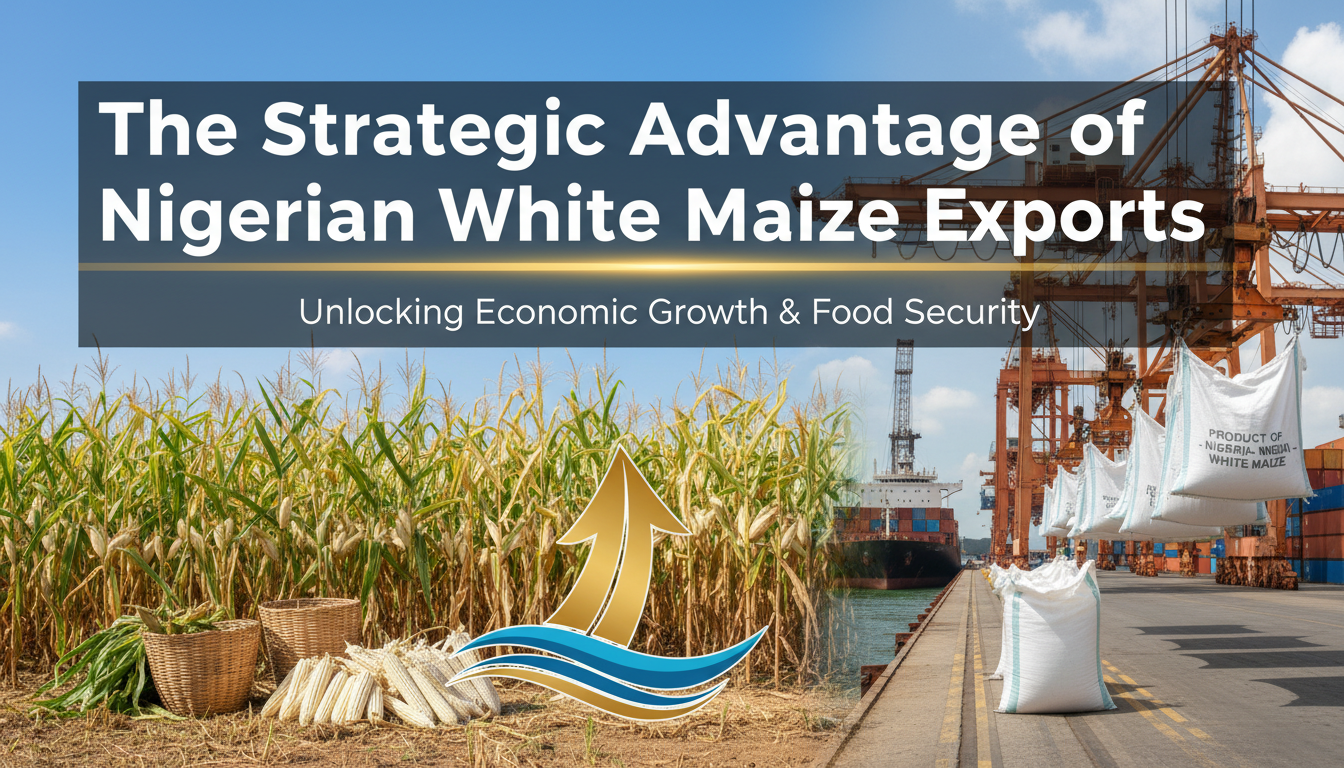
Cereals and Staples: Maize, rice, and millet are produced in large quantities. Maize, in particular, has become a significant focus for export.
-
Tubers: Cassava and yams are staple foods not only for Nigerians but also have a growing market in international venues. Cassava is valuable for its export potential, especially in the production of starch and flour.
-
Fruits and Vegetables: Nigeria produces a wide variety of fruits like mangoes, oranges, and pineapples, as well as vegetables such as tomatoes, peppers, and okra, which have both local and export markets.
-
Cash Crops: Cocoa production places Nigeria as one of the top producers globally, while palm oil and groundnuts also contribute significantly to the economy.
-
Animal Husbandry: With increasing demand for meat products, poultry farming is expanding, leading to a surge in the production of chicken and eggs.
The Importance of Bulk Purchases
Bulk purchasing of agricultural goods offers numerous advantages:
-
Cost Savings: Buying in bulk usually leads to lower per-unit costs, enabling businesses to either save money or reduce retail prices for consumers.
-
Supply Chain Efficiency: Bulk purchasing can streamline supply chains, reduce fragmentation, and improve inventory management.
-
Market Penetration: For international firms, securing bulk deals can facilitate easier market entry, reducing the risks associated with fluctuating prices and demand.
-
Farmer Empowerment: Engaging in bulk purchasing can provide farmers with a more stable income, as they can negotiate better prices for their produce, reducing vulnerability to market volatility.
-
Food Security: By increasing the volume of agricultural goods procured, bulk purchasing can enhance food security not only in Nigeria but in recipient countries as well.
The Market Dynamics
The Nigerian agricultural sector is influenced by various factors:
-
Regulatory Environment: The Nigerian government has undertaken numerous reforms aimed at boosting agricultural production through initiatives such as the Agricultural Promotion Policy, which focuses on enhancing local production and export capabilities.
-
Trade Policies: Import tariffs and export incentives can significantly impact the dynamics of the agricultural market. For instance, the government has imposed restrictions on certain food imports to encourage local production.
-
Price Volatility: Fluctuations in global commodity prices can have a significant impact on local agricultural products. Factors such as climate change, local demand, and international market dynamics can lead to rapid price changes.
-
Consumer Preferences: Both domestic and international consumer preferences are evolving, with a growing demand for organic and quality-certified products.
Opportunities for Bulk Buyers
-
Market Access: Bulk buyers from international markets have the opportunity to access a wide variety of high-quality agricultural products, often at competitive prices.
-
Partnerships: Establishing relationships with local farmers‘ cooperatives and agribusinesses can help facilitate easier sourcing and distribution.
-
Technological Advancements: As technology begins to penetrate the Nigerian agricultural sector, there are opportunities to capitalize on innovations such as mobile applications for supply chain management, improved storage solutions, and better logistics.
-
Export Potential: Nigeria’s agricultural goods have a growing presence in international markets. Countries in Europe, Asia, and even the Americas are increasingly interested in Nigerian produce, particularly in areas of specialization like cocoa and palm oil.
-
Sustainability: With a global shift toward more sustainable practices, buyers can benefit from sourcing goods that are produced using environmentally friendly methods.
Challenges in Bulk Purchasing
-
Infrastructure Gaps: Inadequate transportation networks, poor road conditions, and insufficient storage facilities often complicate logistics and increase the cost of delivery.
-
Quality Assurance: Variability in product quality can be a major deterrent for bulk buyers. Establishing clear quality standards and stringent checks is critical to building trust between buyers and suppliers.
-
Market Information: Access to timely and accurate market data can be challenging, making it difficult for both buyers and sellers to make informed decisions.
-
Risk of Loss: Bulk purchases come with the risk of spoilage and wastage, particularly for perishables. Effective supply chain management becomes crucial to mitigate these risks.
-
Regulatory Compliance: Navigating the local regulatory landscape can pose challenges, especially for foreign buyers unfamiliar with the legal requirements for importing Nigerian agricultural goods.
Strategies for Successful Bulk Purchasing
-
Research and Due Diligence: Conduct comprehensive market research to identify reliable suppliers, understand price trends, and assess the demand for specific commodities.
-
Developing Relationships: Building strong relationships with local farmers and cooperatives can lead to smoother transactions and better negotiation terms.
-
Utilizing Technology: Leverage technology for inventory management, supply chain tracking, and quality control.
-
Diversifying Suppliers: Relying on multiple suppliers can mitigate risks associated with price fluctuations and quality variances.
-
Engaging in Capacity Building: Collaborate with local stakeholders to improve farming practices, increase yields, and meet international quality standards.
Conclusion
The potential for bulk purchases of Nigerian agricultural goods is significant, representing an opportunity for both local and international markets. While challenges exist, the growing demand for quality, locally-sourced produce in a globalized economy presents multiple entry points for those willing to invest time and resources into understanding the local agricultural landscape. By fostering collaboration, leveraging technology, and conducting due diligence, stakeholders can effectively navigate the complexities of the market while contributing to the socio-economic development of the Nigerian agricultural sector.





Comments are closed