
Bulk Soybean Supply Chains from Northern Nigeria to Global Ports: Navigating Challenges and Unlocking Potential
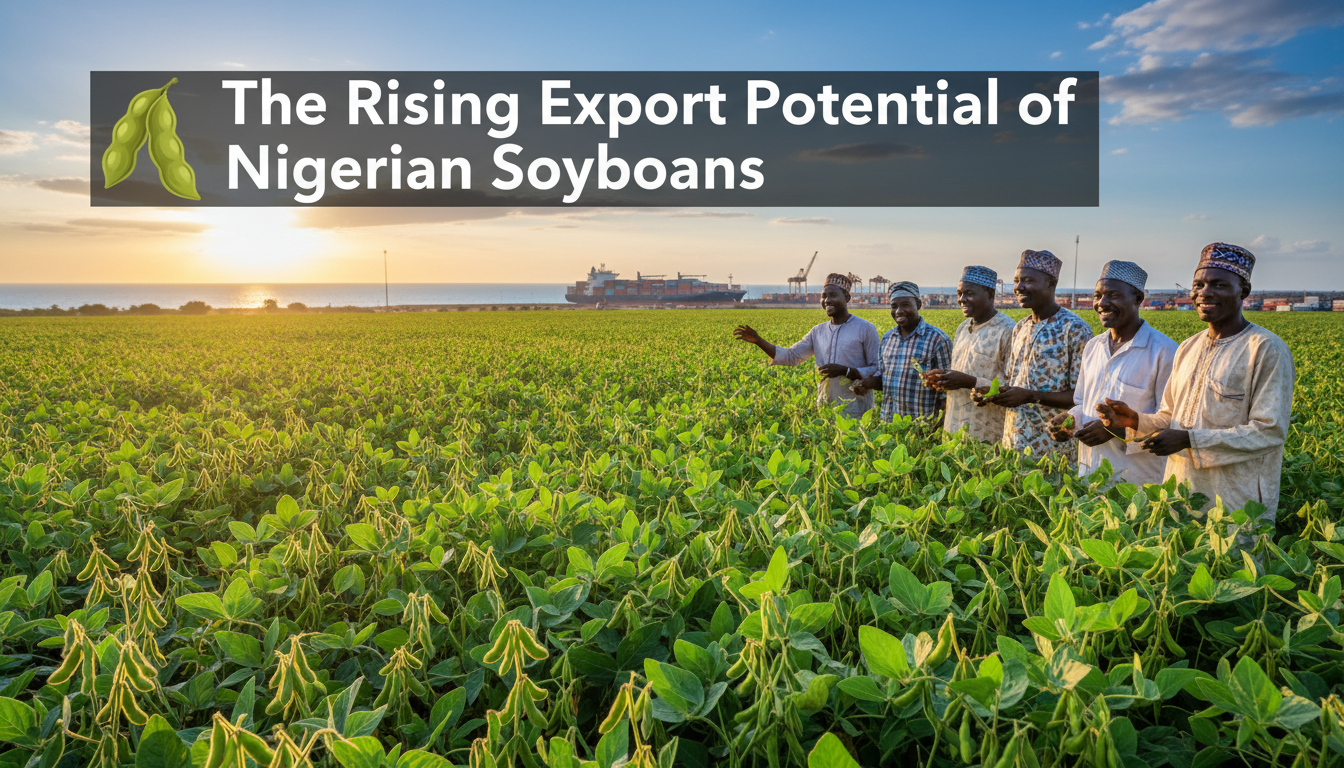
Northern Nigeria, despite facing significant challenges in infrastructure and security, has emerged as a key soybean producing region, feeding into a complex and increasingly vital global supply chain. The journey of soybeans from the farm gate in states like Kano, Kaduna, and Benue to bustling international ports like Lagos and beyond is fraught with complexities, shaped by factors ranging from seed availability and farming practices to logistical bottlenecks and global market demands. This article delves into the intricate workings of this supply chain, examining the actors, processes, challenges, and potential solutions that determine the success and sustainability of this crucial agricultural commodity.
I. The Foundation: Soybean Production in Northern Nigeria
The soybean sector in Northern Nigeria is predominantly composed of smallholder farmers, cultivating relatively small landholdings, typically between 1-5 hectares. These farmers are often resource-constrained, facing challenges in accessing quality inputs, modern farming techniques, and financing.
A. Input Supply and Farming Practices:
-
Seed Accessibility & Quality: Access to high-yielding, disease-resistant soybean varieties remains a significant constraint. While some government initiatives and private sector players are involved in seed production and distribution, counterfeit seeds and affordability issues often plague the market. The adoption of improved varieties is directly correlated with increased yields, making seed access a critical factor in boosting production volume. Farmer awareness of the benefits of improved seeds needs continued amplification.
-
Fertilizer Application: Soybean is a nitrogen-fixing legume, but often benefits from phosphorus and potassium supplementation, especially in nutrient-depleted soils. Fertilizer usage among soybean farmers in Northern Nigeria is generally low, often due to cost and availability. Access to affordable and appropriate fertilizers, combined with farmer education on optimal application rates, is crucial for improving yields. Organic fertilizer options are gaining traction but require further development and scaling.
-
Pest and Disease Management: Soybeans are susceptible to various pests and diseases, including aphids, pod borers, and fungal diseases. Effective pest and disease management is essential for minimizing crop losses. However, many farmers lack access to information and affordable pesticides, leading to reduced yields and crop quality. Integrated pest management (IPM) strategies, emphasizing biological control and judicious use of pesticides, offer a more sustainable approach but require farmer training and support.
-
Farming Techniques: Traditional farming practices often prevail, limiting productivity. Adoption of modern techniques such as no-till farming, intercropping, and improved irrigation can significantly enhance yields and resource efficiency. Extension services play a vital role in disseminating information and demonstrating the benefits of these techniques. However, the reach and effectiveness of extension services need to be strengthened.
- Financial Constraints: Limited access to credit and financing hinders farmers’ ability to invest in improved inputs, technologies, and infrastructure. Microfinance institutions and agricultural credit schemes play a crucial role in providing farmers with the necessary capital to improve their operations. However, the availability and accessibility of these financial services remain a challenge for many farmers, particularly those in remote areas.
B. Market Access and Aggregation:
-
Informal Trading Networks: The majority of soybeans produced in Northern Nigeria are traded through informal networks involving local traders, intermediaries, and aggregators. These networks often lack transparency and standardized pricing mechanisms, leaving farmers vulnerable to exploitation.
-
Aggregation Centers: Aggregation centers play a crucial role in consolidating soybeans from multiple farmers, enabling larger volumes to be traded. These centers are often operated by private companies, cooperatives, or farmer associations. However, the availability and efficiency of aggregation centers vary across different regions. Improved infrastructure and storage facilities at these centers are essential for reducing post-harvest losses and maintaining quality.
- Cooperative Models: Strengthening farmer cooperatives can empower farmers by providing them with greater bargaining power and access to markets. Cooperatives can also facilitate access to inputs, credit, and extension services. However, the effectiveness of cooperatives depends on strong leadership, transparency, and member participation.
II. Transforming Beans to Bulk: Processing and Value Addition
The journey from raw soybeans to a tradable commodity often involves processing and value addition, though a significant portion is exported as raw beans. The level of processing significantly impacts the final product’s value and market destination.
A. Processing Capacity and Types:
-
Crushing Plants: Soybean crushing plants are essential for extracting oil and producing soybean meal. While crushing capacity exists in Nigeria, it is often underutilized due to a lack of consistent soybean supply and operational challenges. Investment in modern crushing plants with higher efficiency and capacity is crucial for increasing value addition within the country.
-
Soybean Meal Production: Soybean meal is a valuable animal feed ingredient, essential for the livestock and poultry industries. Increased domestic soybean meal production can reduce reliance on imports and support the growth of these industries. However, the quality of soybean meal produced in Nigeria needs to meet international standards to compete effectively in export markets.
-
Soybean Oil Production: Soybean oil is a versatile vegetable oil used in food processing and cooking. Increased domestic soybean oil production can reduce reliance on imports and support the growth of the food processing industry. Similar to soybean meal, the quality of soybean oil produced in Nigeria needs to meet international standards.
- Other Soybean Products: Soybeans can be processed into a variety of other products, including soy milk, tofu, and tempeh. These products are gaining popularity in Nigeria and offer opportunities for value addition and market diversification.
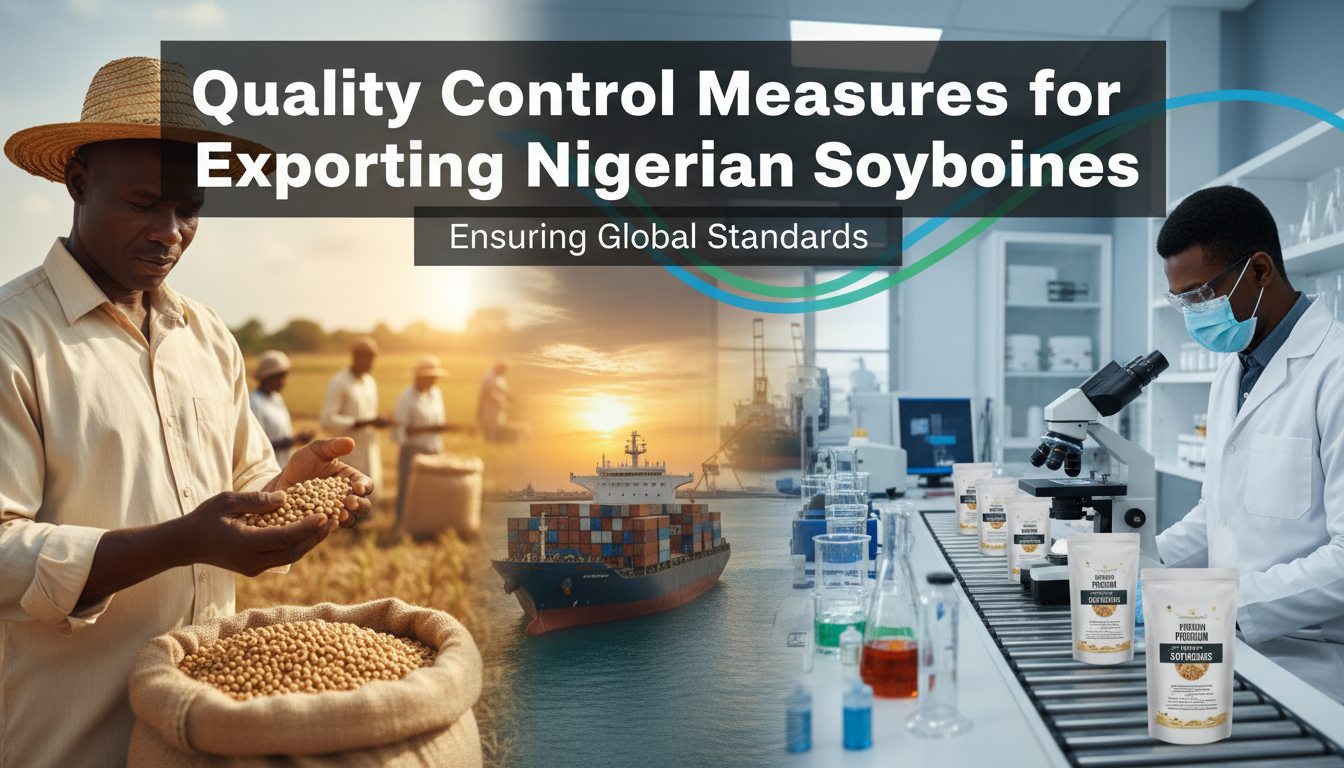
B. Quality Control and Standards:
-
Post-Harvest Handling: Proper post-harvest handling practices are essential for maintaining the quality of soybeans. This includes proper drying, cleaning, and storage. Lack of adequate storage facilities and handling practices can lead to spoilage and reduced quality.
-
Aflatoxin Contamination: Aflatoxin contamination is a significant concern for soybeans grown in Northern Nigeria. Aflatoxins are toxic compounds produced by certain molds that can contaminate crops under poor storage conditions. Monitoring and controlling aflatoxin levels is crucial for ensuring food safety and market access.
- Grading and Standards: Clear grading and standards are essential for facilitating trade and ensuring fair pricing. Standardized grading systems based on moisture content, protein content, and other quality parameters are needed to improve transparency and efficiency in the soybean market.
III. Reaching the Coast: Logistics and Transportation Challenges
Moving bulk soybeans from production areas in Northern Nigeria to ports like Lagos represents a significant logistical undertaking, often hampered by infrastructure deficits and security concerns.
A. Transportation Infrastructure:
-
Road Network: The primary mode of transportation for soybeans is by road, using trucks. However, the road network in Northern Nigeria is often poorly maintained, with potholes, damaged bridges, and inadequate signage. This leads to increased transportation costs, longer transit times, and increased risk of accidents. Investment in road rehabilitation and maintenance is crucial for improving the efficiency of the soybean supply chain.
-
Rail Network: The rail network in Nigeria has the potential to provide a more efficient and cost-effective mode of transportation for bulk commodities like soybeans. However, the rail network is currently underutilized due to dilapidated infrastructure and operational challenges. Revitalizing the rail network and connecting it to key production areas and ports can significantly reduce transportation costs and improve the competitiveness of Nigerian soybeans.
- Inland Waterways: Nigeria has a vast network of inland waterways that could be used for transporting soybeans. However, the waterways are often poorly maintained, with siltation, lack of navigation aids, and security concerns. Developing the inland waterways and connecting them to key production areas and ports can provide a cost-effective and environmentally friendly mode of transportation.
B. Security Risks:
-
Banditry and Kidnapping: Security risks, including banditry and kidnapping, are prevalent in some parts of Northern Nigeria, posing a threat to transportation and trade. Security measures, such as armed escorts and convoy systems, are often necessary, adding to transportation costs. Addressing the root causes of insecurity and improving security in the region are essential for ensuring the safety and reliability of the soybean supply chain.
- Roadblocks and Extortion: Illegal roadblocks and extortion by security forces and other actors are common along major transportation routes, adding to transportation costs and delays. Strengthening law enforcement and combating corruption are crucial for reducing these illegal practices.
C. Port Congestion and Efficiency:
-
Port Infrastructure: Ports in Nigeria, particularly Lagos, are often congested and inefficient due to inadequate infrastructure, outdated equipment, and bureaucratic procedures. This leads to delays in loading and unloading cargo, increasing shipping costs and reducing the competitiveness of Nigerian soybeans. Investment in port infrastructure, modernization of equipment, and streamlining of procedures are essential for improving port efficiency.
- Customs Procedures: Customs procedures in Nigeria can be lengthy and complex, leading to delays and increased costs. Streamlining customs procedures and implementing electronic documentation can significantly reduce these delays.
IV. Global Markets: Demand, Competition, and Sustainability
The final stage of the soybean supply chain involves reaching global markets, where Nigerian soybeans compete with those from other producing nations. Understanding global demand, competitive pressures, and sustainability considerations is crucial for success.
A. Market Demand and Destination:
-
China: China is the world’s largest importer of soybeans, primarily for animal feed. Nigerian soybeans are increasingly being exported to China, driven by rising demand and competitive pricing.
-
European Union: The European Union is another major importer of soybeans, primarily for animal feed and food processing. However, the EU has strict regulations regarding GMOs and sustainability, which Nigerian soybeans must meet to access this market.
- Other Markets: Other important markets for soybeans include Southeast Asia, the Middle East, and Africa. These markets offer opportunities for diversification and growth.
B. Competition and Pricing:
-
Brazil and the United States: Brazil and the United States are the world’s largest soybean producers and exporters, dominating global markets. Nigerian soybeans face stiff competition from these countries in terms of price and quality.
- Pricing Fluctuations: Soybean prices are subject to fluctuations based on global supply and demand, weather conditions, and other factors. Nigerian farmers and traders need to be aware of these fluctuations and manage their risks accordingly.
C. Sustainability Considerations:
-
Deforestation: Soybean production can contribute to deforestation, particularly in Brazil and other South American countries. Ensuring that Nigerian soybeans are produced sustainably and do not contribute to deforestation is crucial for maintaining market access and meeting consumer demands.
-
Environmental Impacts: Soybean production can have negative environmental impacts, including soil erosion, water pollution, and greenhouse gas emissions. Implementing sustainable farming practices can minimize these impacts.
- Social Impacts: Soybean production can have social impacts, including labor exploitation and displacement of local communities. Ensuring that soybean production benefits local communities and respects human rights is crucial for ethical and sustainable sourcing.
V. Strategies for Optimizing the Soybean Supply Chain
Addressing the challenges outlined above requires a multifaceted approach involving government, private sector, and farmer participation. Key strategies include:
- Investing in Infrastructure: Prioritize investments in road rehabilitation, rail network revitalization, and port modernization to improve logistics and reduce transportation costs.
- Strengthening Farmer Support Systems: Enhance access to quality inputs, modern farming techniques, and financial services for smallholder farmers.
- Promoting Value Addition: Encourage investment in soybean processing facilities to increase domestic value addition and reduce reliance on raw bean exports.
- Improving Quality Control: Implement standardized grading systems and quality control measures to ensure that Nigerian soybeans meet international standards.
- Enhancing Security: Strengthen law enforcement and address the root causes of insecurity to protect transportation routes and promote trade.
- Promoting Sustainable Practices: Encourage sustainable farming practices to minimize environmental and social impacts.
- Facilitating Market Access: Streamline customs procedures and promote trade facilitation to reduce delays and improve competitiveness.
- Building Partnerships: Foster collaboration between government, private sector, and farmer organizations to develop and implement effective strategies for optimizing the soybean supply chain.
By addressing these challenges and implementing these strategies, Northern Nigeria can unlock the full potential of its soybean sector and contribute to economic growth, food security, and sustainable development.



Comments are closed