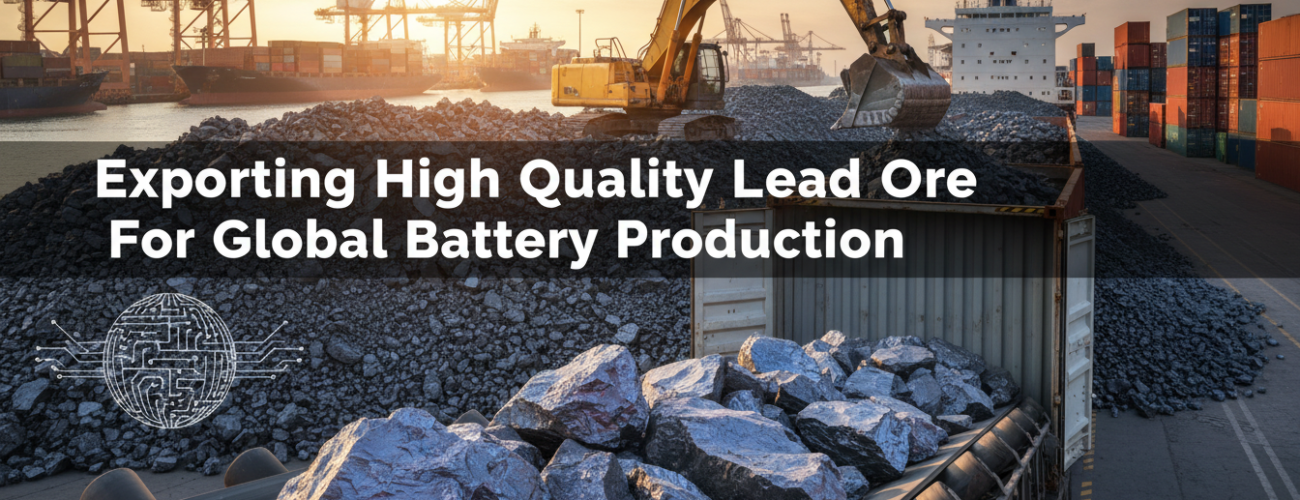
Exporting High Quality Lead Ore for Global Battery Production: Navigating the Market, Maximizing Value, and Ensuring Sustainability
The global demand for batteries is surging, driven by the electric vehicle (EV) revolution, increasing adoption of renewable energy storage systems, and the persistent need for portable power in various industries. This demand, in turn, fuels a significant and growing market for lead, a crucial component in lead-acid batteries, which remain a cost-effective and reliable energy storage solution, particularly for automotive starting, lighting, and ignition (SLI) batteries and backup power systems. This article will delve into the intricacies of exporting high-quality lead ore to meet this global demand, exploring the factors that influence market access, strategies for maximizing value through efficient processing and strategic partnerships, and the critical importance of sustainable mining practices and responsible waste management.
Understanding the Global Lead Market and Battery Production Landscape
Before embarking on lead ore export, a thorough understanding of the global market dynamics is paramount. This includes analyzing key consumption areas, identifying major battery manufacturers, and recognizing the evolving regulatory landscape.
-
Key Consumption Areas: The primary consumers of lead are countries with significant automotive manufacturing industries and those heavily investing in renewable energy storage. China remains a dominant force, accounting for a large portion of global lead consumption due to its massive manufacturing sector and burgeoning EV market. India, with its rapidly growing automotive industry and electrification initiatives, also presents a significant demand center. Developed economies like the United States, Germany, and Japan maintain a consistent demand for lead in automotive and industrial applications. Understanding the specific consumption patterns and regional preferences within these markets is crucial for targeted export strategies.
-
Major Battery Manufacturers: Identifying the key players in the battery manufacturing industry is vital for establishing reliable supply chains and negotiating favorable contracts. These manufacturers include global giants such as Clarios (formerly Johnson Controls Power Solutions), East Penn Manufacturing, Exide Technologies, and GS Yuasa. Furthermore, it’s essential to research regional battery manufacturers and their specific lead requirements, including purity levels, particle size, and chemical composition. Building relationships with these manufacturers, understanding their quality standards, and demonstrating a consistent ability to meet their needs are critical for long-term success.
- Evolving Regulatory Landscape: The lead industry is subject to increasingly stringent environmental regulations worldwide. Understanding these regulations in both the exporting and importing countries is crucial for ensuring compliance and avoiding legal and financial repercussions. Regulations cover aspects such as mining practices, transportation of hazardous materials, workplace safety, and waste management. International agreements like the Basel Convention on the Control of Transboundary Movements of Hazardous Wastes and Their Disposal play a significant role in shaping the regulatory landscape. Exporters must stay abreast of these developments and implement best practices to ensure environmental responsibility and sustainable operations.
Quality is Key: Optimizing Lead Ore Processing for Export
The quality of lead ore significantly impacts its value and marketability. Investing in efficient and effective processing techniques is essential for maximizing the return on investment.
-
Geological Assessment and Ore Characterization: The initial step in optimizing lead ore processing is a comprehensive geological assessment of the mine site. This involves detailed mapping, sampling, and analysis to understand the ore body’s characteristics, including the grade of lead, the presence of associated minerals (e.g., silver, zinc), and the overall mineralogy. This information informs the selection of appropriate mining and processing techniques.
-
Crushing and Grinding: After extraction, the lead ore undergoes crushing and grinding to reduce the particle size and liberate the lead minerals from the host rock. The specific crushing and grinding equipment used will depend on the hardness and texture of the ore. Optimization of these processes involves selecting the appropriate equipment, adjusting parameters such as feed rate and grinding media size, and implementing efficient dust control measures.
-
Beneficiation Techniques: Beneficiation is the process of separating the valuable lead minerals from the unwanted gangue minerals. Common beneficiation techniques for lead ore include:
- Gravity Concentration: This method utilizes differences in density to separate the lead minerals from lighter gangue materials. Techniques such as jigging, shaking tables, and spirals are commonly employed. Gravity concentration is often used as a pre-concentration step to reduce the volume of material requiring further processing.
- Flotation: Flotation is a widely used technique that relies on the differences in surface properties of minerals. Selective chemicals, called collectors, are added to the pulp to make the lead minerals hydrophobic (water-repelling). Air is then introduced, creating bubbles that attach to the hydrophobic particles and carry them to the surface, where they are collected as a concentrate. Flotation is highly effective for separating fine-grained lead minerals and achieving high concentrate grades.
- Magnetic Separation: If the lead ore contains magnetic minerals, magnetic separation can be used to remove these contaminants from the concentrate. This technique utilizes magnetic fields to attract and separate magnetic particles from non-magnetic particles.
-
Concentrate Dewatering and Drying: After beneficiation, the lead concentrate needs to be dewatered and dried to reduce moisture content and facilitate handling and transportation. Dewatering is typically achieved using thickeners and filters. Drying is performed using thermal dryers, which remove residual moisture by evaporation. The drying process must be carefully controlled to prevent dust emissions and maintain the quality of the concentrate.
- Quality Control and Analysis: Throughout the processing chain, rigorous quality control measures are essential to ensure that the lead concentrate meets the required specifications. This involves regular sampling and analysis to monitor the lead content, impurity levels, and particle size distribution. X-ray fluorescence (XRF) and inductively coupled plasma mass spectrometry (ICP-MS) are commonly used analytical techniques for determining the elemental composition of the concentrate.
Strategic Partnerships and Market Access Strategies
Building strategic partnerships and implementing effective market access strategies are crucial for maximizing export opportunities and securing long-term contracts.
-
Establishing Relationships with Refiners and Battery Manufacturers: Direct engagement with lead refineries and battery manufacturers is essential for understanding their specific requirements and establishing long-term supply agreements. This involves attending industry conferences, participating in trade shows, and conducting site visits to build rapport and demonstrate the quality of the lead concentrate. Negotiating favorable pricing terms, payment schedules, and delivery logistics is crucial for maximizing profitability.
-
Leveraging Trade Agreements and Export Promotion Agencies: Many countries have trade agreements with other nations that can provide preferential access to their markets. Exporters should investigate these agreements and leverage them to their advantage. Export promotion agencies, such as the U.S. Commercial Service and the Export Development Canada, can provide valuable resources and support, including market research, trade finance assistance, and connections to potential buyers.
-
Participating in Industry Associations and Networks: Joining industry associations and networks provides access to valuable information, networking opportunities, and advocacy efforts. These organizations often host conferences, workshops, and webinars that can help exporters stay abreast of the latest market trends, regulations, and technological advancements.
- Developing a Strong Brand Reputation: Building a strong brand reputation based on quality, reliability, and sustainability is essential for differentiating the company from competitors and attracting customers. This involves consistently meeting quality standards, delivering on commitments, and demonstrating a commitment to responsible mining practices and environmental stewardship.
Sustainability and Responsible Mining Practices: A Critical Imperative
The lead mining industry has historically faced criticism for its environmental and social impacts. Implementing sustainable mining practices and responsible waste management is not only ethically imperative but also increasingly demanded by consumers and regulators.
-
Environmental Impact Assessments: Before commencing mining operations, a thorough environmental impact assessment (EIA) is crucial to identify potential environmental risks and develop mitigation measures. The EIA should consider impacts on water resources, air quality, soil, biodiversity, and local communities.
-
Water Management: Mining operations can generate significant volumes of wastewater that may contain heavy metals and other contaminants. Implementing effective water management practices is essential to prevent pollution of surface and groundwater resources. This includes constructing lined tailings storage facilities, treating wastewater using appropriate technologies (e.g., reverse osmosis, chemical precipitation), and implementing water recycling programs.
-
Air Quality Management: Mining activities can generate dust and emissions of harmful gases, which can impact air quality and human health. Implementing dust control measures, such as water spraying, covering stockpiles, and using enclosed conveyors, is essential to minimize dust emissions. Monitoring air quality and implementing emission control technologies can further reduce air pollution.
-
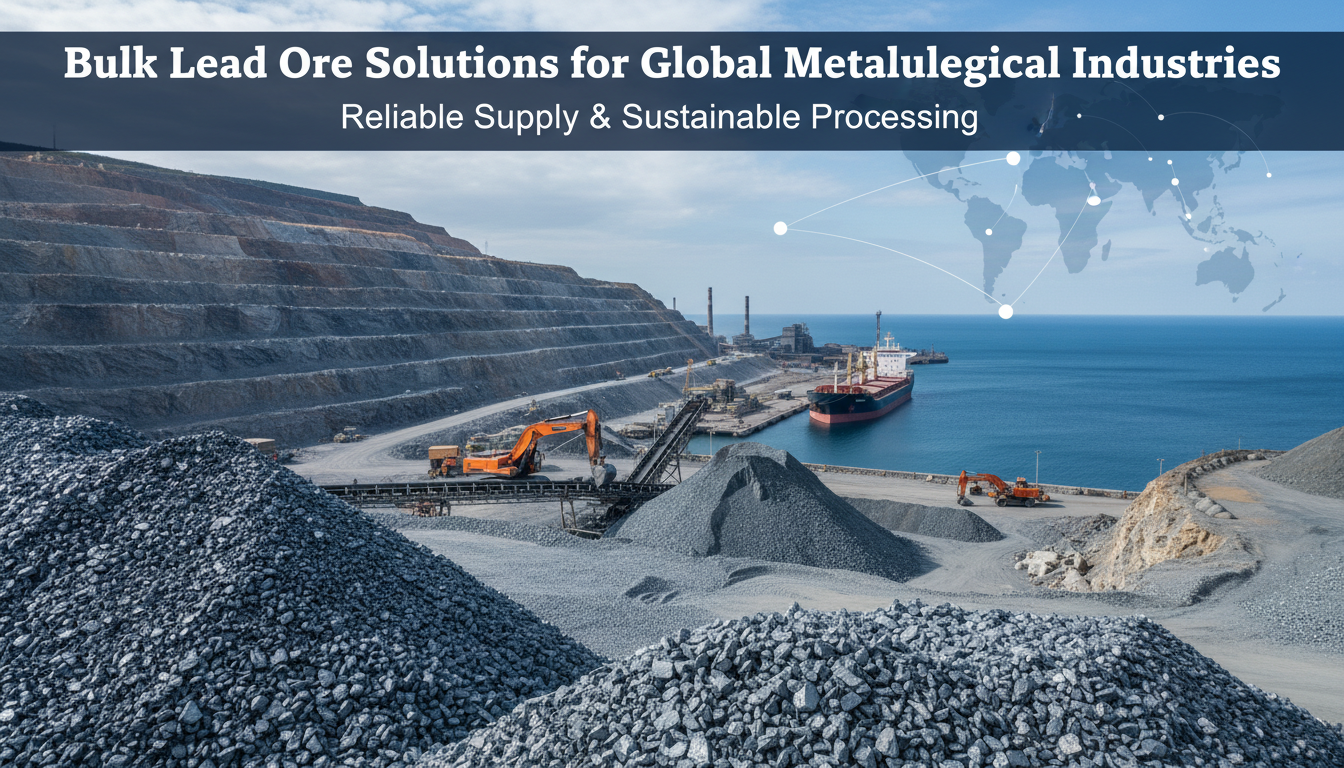
Waste Management: Lead mining generates large volumes of waste rock and tailings, which can pose environmental risks if not managed properly. Waste rock should be stored in stable, engineered piles to prevent erosion and leaching of contaminants. Tailings storage facilities should be designed and operated to prevent leaks and spills. Reclamation and rehabilitation of mined areas are essential to restore the land to a productive use.
-
Community Engagement: Engaging with local communities is crucial for building trust and ensuring that mining operations are conducted in a socially responsible manner. This involves consulting with communities on project planning, addressing their concerns, and providing opportunities for employment and economic development.
-
Rehabilitation and Closure Planning: Developing a comprehensive rehabilitation and closure plan before commencing mining operations is essential to ensure that the site can be safely and effectively restored to a productive use after mining ceases. The plan should include measures for decommissioning equipment, stabilizing slopes, revegetating disturbed areas, and monitoring water quality.
- Certifications and Standards: Obtaining certifications from reputable organizations, such as the International Council on Mining and Metals (ICMM) and the Responsible Minerals Initiative (RMI), can demonstrate a commitment to responsible mining practices and enhance the company’s reputation. Adhering to international standards for environmental management (e.g., ISO 14001) and occupational health and safety (e.g., ISO 45001) can further demonstrate a commitment to sustainability and responsible operations.
Logistics and Transportation: Ensuring Efficient and Secure Delivery
Efficient and secure logistics and transportation are crucial for delivering lead ore to its destination on time and in good condition.
-
Selecting Appropriate Transportation Modes: The choice of transportation mode will depend on the distance, volume, and destination of the lead ore. Options include truck, rail, and sea freight. Truck transportation is typically used for short distances, while rail and sea freight are more cost-effective for longer distances.
-
Packaging and Handling: Lead ore should be properly packaged and handled to prevent spillage, contamination, and theft. This may involve using bulk bags, containers, or specialized packaging designed for hazardous materials.
-
Compliance with Regulations: The transportation of lead ore is subject to various regulations, including those related to the transportation of hazardous materials. Exporters must ensure compliance with all applicable regulations, including those related to labeling, documentation, and security.
- Insurance and Risk Management: Adequate insurance coverage is essential to protect against potential losses due to damage, theft, or delays during transportation. Exporters should also implement risk management measures to mitigate potential disruptions to the supply chain.
Financial Considerations: Optimizing Profitability and Managing Risks
Successfully exporting lead ore requires careful financial planning and risk management.
-
Cost Analysis: A detailed cost analysis is essential for determining the profitability of exporting lead ore. This should include all costs associated with mining, processing, transportation, and marketing.
-
Pricing Strategies: The pricing of lead ore should be based on market conditions, quality, and contractual agreements. Exporters should carefully monitor market prices and adjust their pricing strategies accordingly.
-
Currency Risk Management: Fluctuations in exchange rates can significantly impact the profitability of exports. Exporters should implement currency risk management strategies, such as hedging, to mitigate potential losses.
- Trade Finance: Trade finance options, such as letters of credit and export credit insurance, can help exporters manage the risks associated with international trade and secure financing for their operations.
By meticulously addressing these critical aspects – market understanding, quality optimization, strategic partnerships, sustainable practices, efficient logistics, and sound financial management – lead ore exporters can effectively navigate the global market, maximize value, and contribute to the growing demand for battery production while adhering to responsible and ethical business principles.

Comments are closed