
How We Export Premium Sorghum for Global Processing: A Comprehensive Guide
Sorghum, a versatile and resilient grain, is rapidly gaining global recognition as a valuable raw material for diverse processing applications, ranging from food and beverage production to biofuels and animal feed. The growing international demand for high-quality sorghum presents significant opportunities for exporting countries. This article delves into the intricacies of exporting premium sorghum for global processing, outlining the critical steps, considerations, and best practices involved in successfully navigating this dynamic market.
I. Understanding the Global Sorghum Market and Demand Dynamics:
Before embarking on sorghum export, a thorough understanding of the global market landscape is paramount. This involves identifying key importing regions, analyzing demand drivers, and assessing the competitive environment.
- Key Importing Regions: The primary importers of sorghum include countries in Africa, Asia (particularly China and Japan), and Latin America. Demand patterns vary significantly across these regions, influenced by local consumption habits, industrial requirements, and government policies. Africa primarily imports sorghum for human consumption and animal feed, while Asia utilizes it for industrial applications, especially in the production of alcoholic beverages. Latin America leverages sorghum as a cost-effective ingredient for animal feed.
- Demand Drivers: The rising global demand for sorghum is fueled by several factors. Its drought resistance and lower water requirements compared to other cereals make it a climate-smart crop, attracting attention in regions facing water scarcity. The increasing popularity of gluten-free diets has also spurred demand for sorghum in the food processing industry. Furthermore, the growing emphasis on renewable energy sources has led to increased utilization of sorghum for ethanol production. Finally, the affordability and nutritional value of sorghum make it a desirable component of animal feed formulations.
- Competitive Landscape: The sorghum export market is characterized by both established and emerging players. The United States and Australia have historically been major exporters, but other countries like Argentina, India, and Nigeria are actively expanding their export capabilities. Understanding the strengths and weaknesses of competitors is crucial for developing a competitive export strategy. This involves analyzing their pricing strategies, quality control measures, and distribution networks.
II. Sourcing and Production: Ensuring Premium Quality Sorghum:
The foundation of a successful sorghum export business lies in consistently sourcing and producing high-quality grain. This requires careful attention to agronomic practices, post-harvest handling, and quality control measures.
- Variety Selection: Choosing the right sorghum variety is critical for meeting the specific requirements of the target market. Different varieties exhibit variations in grain color, tannin content, starch composition, and protein levels. For example, white sorghum varieties with low tannin content are preferred for human consumption, while varieties with higher starch content are suitable for ethanol production. Collaborating with agricultural research institutions and experienced sorghum farmers is essential for selecting the most appropriate varieties for export.
- Agronomic Practices: Implementing sustainable and efficient agronomic practices is crucial for maximizing yields and ensuring grain quality. This includes proper soil preparation, timely planting, adequate fertilization, and effective pest and disease management. Promoting best practices among sorghum farmers through training programs and technical assistance can significantly improve the overall quality of the harvest.
- Post-Harvest Handling: Post-harvest handling plays a critical role in preserving the quality and preventing spoilage of sorghum grain. Proper drying techniques are essential for reducing moisture content and inhibiting mold growth. Cleaning and sorting operations remove impurities and damaged grains, ensuring a uniform product. Storage facilities should be well-ventilated and protected from pests and rodents. Employing modern storage technologies, such as controlled atmosphere storage, can further extend the shelf life of sorghum grain.
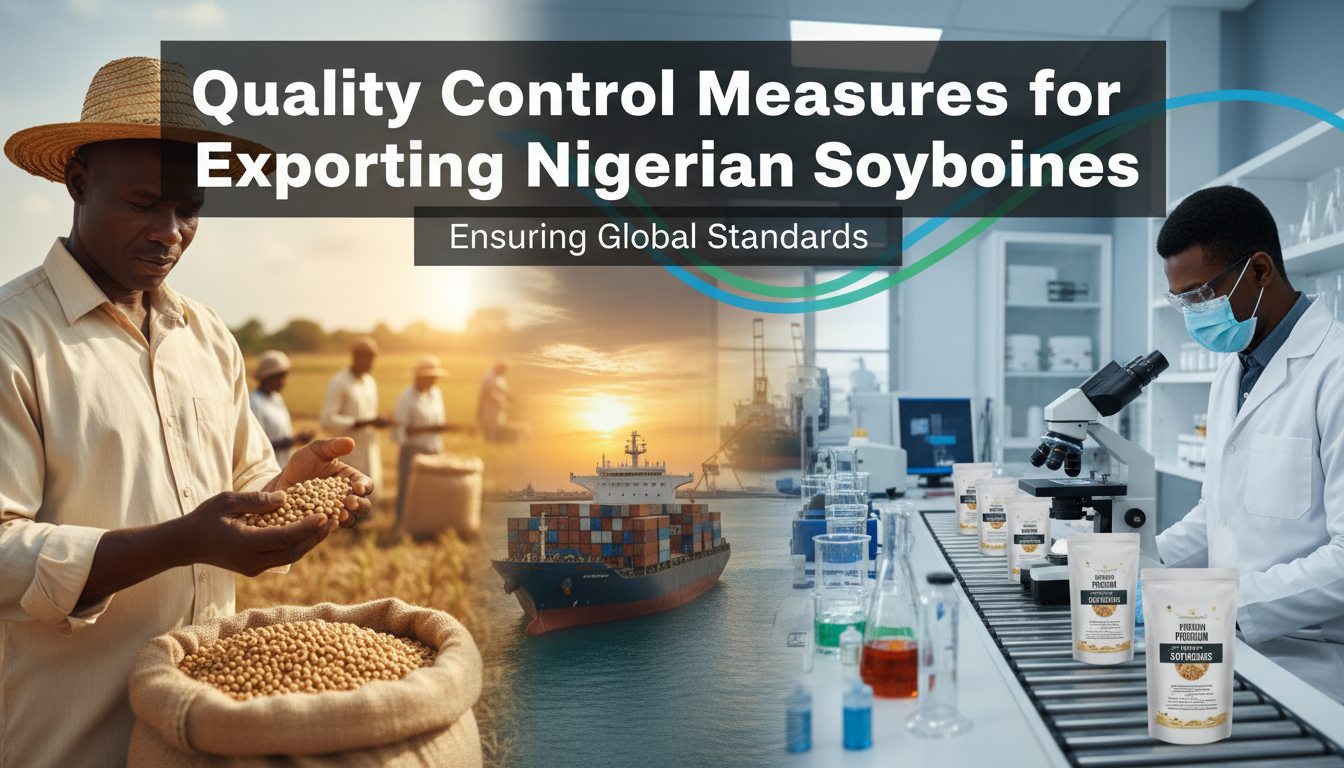
- Quality Control Measures: Implementing a robust quality control system throughout the production and handling process is paramount for ensuring that the exported sorghum meets the required standards. This involves conducting regular inspections, sampling, and laboratory testing to assess parameters such as moisture content, foreign matter, broken kernels, mold count, and mycotoxin levels. Adhering to internationally recognized quality standards, such as those established by the International Grain Trade Coalition (IGTC), can enhance the credibility and marketability of the exported sorghum.
III. Processing and Value Addition: Enhancing Export Potential:
While exporting raw sorghum grain is a viable option, processing and value addition can significantly enhance export potential and profitability. This involves transforming the raw grain into more refined or specialized products that command higher prices in the global market.
- Grain Cleaning and Grading: Basic processing steps such as grain cleaning and grading are essential for improving the marketability of sorghum. Cleaning removes impurities and foreign matter, while grading separates the grain based on size, color, and other quality parameters. This ensures a more uniform and aesthetically appealing product that meets the expectations of discerning buyers.
- Milling and Flour Production: Milling sorghum grain into flour is a common value-addition process that expands its applications in the food processing industry. Sorghum flour can be used to produce a variety of food products, including breads, tortillas, pancakes, and breakfast cereals. Offering different types of sorghum flour, such as whole grain flour and refined flour, can cater to diverse consumer preferences.
- Sorghum Malt Production: Sorghum malt is a key ingredient in the brewing industry, particularly in the production of sorghum-based beers. Malting involves germinating and drying sorghum grain to convert starches into fermentable sugars. Exporting sorghum malt can be a lucrative option, especially to regions with a thriving sorghum beer industry.
- Sorghum Syrup Production: Sorghum syrup, a natural sweetener made from sorghum juice, is gaining popularity as a healthier alternative to refined sugar. Producing and exporting sorghum syrup can cater to the growing demand for natural sweeteners in the food and beverage industry.
- Extruded Products: Sorghum can be extruded into a variety of snack foods and ingredients, such as puffed cereals, flakes, and crisps. These extruded products offer a convenient and nutritious alternative to traditional snack foods and can be marketed to health-conscious consumers.
IV. Logistics and Export Documentation: Navigating the Export Process:
Efficient logistics and accurate documentation are crucial for ensuring the smooth and timely delivery of sorghum exports. This involves selecting the appropriate transportation methods, complying with export regulations, and managing the associated paperwork.
- Transportation: The choice of transportation method depends on factors such as distance, volume, and cost. Sea freight is generally the most cost-effective option for large volumes and long distances, while rail transport is suitable for inland transportation. Air freight is the fastest but also the most expensive option, typically used for small volumes or time-sensitive shipments.
- Export Regulations: Complying with export regulations is essential for avoiding delays and penalties. This includes obtaining the necessary permits and licenses, adhering to phytosanitary requirements, and meeting quality standards. Familiarizing oneself with the specific regulations of the importing country is crucial for ensuring compliance.
- Export Documentation: Accurate and complete export documentation is essential for facilitating customs clearance and ensuring timely payment. Key documents include the commercial invoice, packing list, bill of lading, certificate of origin, and phytosanitary certificate. Working with experienced freight forwarders and customs brokers can help navigate the complexities of export documentation.
- Insurance: Obtaining cargo insurance is advisable to protect against potential losses during transportation. This covers risks such as damage, theft, and loss of cargo due to unforeseen events.
V. Marketing and Sales: Reaching Global Buyers:
Effective marketing and sales strategies are essential for reaching global buyers and establishing a sustainable export business. This involves developing a strong brand identity, participating in trade shows, and building relationships with potential customers.
- Branding: Creating a strong brand identity can differentiate the exported sorghum from competitors and enhance its market value. This involves developing a unique brand name, logo, and packaging that reflect the quality and value of the product.
- Market Research: Conducting thorough market research is essential for identifying potential customers and understanding their needs. This involves analyzing market trends, identifying key players, and assessing the competitive landscape.
- Trade Shows: Participating in international trade shows is an effective way to showcase the exported sorghum to potential buyers and build relationships with industry professionals. These events provide opportunities to network with distributors, importers, and processors.
- Online Marketing: Utilizing online marketing channels, such as websites, social media, and online marketplaces, can expand the reach of the exported sorghum to a global audience. Creating informative and engaging content can attract potential customers and generate leads.
- Building Relationships: Building strong relationships with potential customers is crucial for establishing a long-term export business. This involves providing excellent customer service, responding promptly to inquiries, and offering competitive pricing.
VI. Risk Management: Mitigating Potential Challenges:
Exporting sorghum involves various risks, including price fluctuations, currency exchange rate volatility, and political instability. Implementing effective risk management strategies is crucial for mitigating potential challenges and protecting the profitability of the export business.
- Price Risk Management: Price fluctuations can significantly impact the profitability of sorghum exports. Using hedging strategies, such as forward contracts and options, can help mitigate price risk by locking in a guaranteed price.
- Currency Exchange Rate Risk: Currency exchange rate volatility can impact the value of export earnings. Using currency hedging instruments, such as forward contracts and currency options, can help mitigate currency risk by fixing the exchange rate.
- Political Risk: Political instability and trade barriers can disrupt export operations. Diversifying export markets and obtaining political risk insurance can help mitigate political risk.
- Credit Risk: Failure of customers to pay for exported sorghum can result in financial losses. Conducting thorough credit checks and obtaining export credit insurance can help mitigate credit risk.
- Contractual Agreements: Establishing clear and comprehensive contractual agreements with buyers is essential for protecting the interests of the exporter. These agreements should specify the quality standards, payment terms, delivery schedules, and dispute resolution mechanisms.
By carefully considering these aspects and implementing appropriate strategies, exporting countries can successfully leverage the growing global demand for sorghum and establish a thriving export business. The key lies in a commitment to quality, efficiency, and a thorough understanding of the complexities of the international market.


Comments are closed