
Non-GMO Nigerian Soybeans for Animal Feed and Human Consumption
Nigeria, the most populous nation in Africa, possesses immense agricultural potential, and its soybean production is increasingly gaining recognition, particularly within the context of non-GMO varieties. The demand for soybeans, both for animal feed and human consumption, is on the rise globally, and Nigeria is strategically positioned to capitalize on this trend by promoting its non-GMO soybean industry. This article will delve into the multifaceted aspects of non-GMO Nigerian soybeans, exploring their significance in animal feed and human diets, examining the cultivation practices, addressing the challenges and opportunities, and highlighting the importance of policies and regulations for sustainable development.
Part 1: Non-GMO Nigerian Soybeans in Animal Feed
The livestock industry in Nigeria, as in many developing countries, faces the perpetual challenge of access to affordable and high-quality feed. Traditional feed sources often fall short in providing the necessary protein content, hindering animal growth, productivity, and overall health. Soybeans, recognized as a complete protein source, have emerged as a crucial ingredient in animal feed formulations. Non-GMO Nigerian soybeans offer a compelling alternative to imported, potentially genetically modified, soybean meal, strengthening local production and reducing reliance on foreign markets.
-
Nutritional Value of Soybeans for Animal Nutrition: Soybeans are renowned for their high protein content, averaging around 40% on a dry matter basis. This protein is rich in essential amino acids, including lysine, which is often deficient in cereal-based feeds. The amino acid profile of soybeans closely matches the requirements of many livestock species, making it an ideal protein supplement for poultry, pigs, cattle, and fish. Furthermore, soybeans contain significant amounts of energy, fat, and minerals, contributing to the overall nutritional balance of animal diets. The oil content, around 20%, provides a readily available energy source, while minerals like calcium, phosphorus, and iron are vital for bone development and overall health. The digestibility of soybean meal is another key factor in its value as animal feed. Proper processing techniques, such as heat treatment, are essential to deactivate anti-nutritional factors like trypsin inhibitors, which can interfere with protein digestion and absorption.
-
Role in Different Livestock Diets: The application of soybean meal varies depending on the specific livestock species and their production stage.
- Poultry: In poultry diets, soybean meal constitutes a significant proportion of the protein source, typically ranging from 20% to 40% of the total feed formulation. It is particularly important for broiler chickens, which require a high-protein diet for rapid growth, and for laying hens, which need a constant supply of protein for egg production. The high lysine content of soybean meal is crucial for optimal growth and egg quality.
- Pigs: Soybeans are also a vital component of pig diets, providing the necessary protein for muscle development and growth. The inclusion rate of soybean meal can vary depending on the pig’s age and stage of production, but it generally ranges from 15% to 30%. The high energy content of soybeans also contributes to the overall energy requirements of pigs.
- Cattle: In ruminant animals like cattle, soybean meal serves as a valuable source of rumen-degradable protein (RDP) and rumen-undegradable protein (RUP). RDP is used by the rumen microbes to synthesize microbial protein, which is then digested by the animal. RUP, on the other hand, escapes rumen degradation and is digested in the small intestine, providing a direct source of amino acids to the animal. The inclusion rate of soybean meal in cattle diets depends on the animal’s age, production level, and the quality of other feed ingredients.
- Aquaculture: The aquaculture sector is rapidly growing in Nigeria, and soybeans are becoming an increasingly important ingredient in fish feed. Soybeans provide a cost-effective and sustainable alternative to fishmeal, which is becoming increasingly expensive and unsustainable. Soybean meal can be used to replace a significant portion of fishmeal in fish feed formulations, reducing the reliance on marine resources.
-
Advantages of Non-GMO Soybeans: While genetically modified (GM) soybeans have become prevalent in some parts of the world, there is growing consumer preference for non-GMO products, driven by concerns about potential health and environmental impacts. Non-GMO Nigerian soybeans offer several advantages:
- Consumer Preference: Many consumers, particularly in developed countries, are willing to pay a premium for non-GMO products, reflecting a growing awareness of food safety and sustainability. By producing non-GMO soybeans, Nigerian farmers can tap into these niche markets and potentially earn higher prices.
- Environmental Sustainability: The cultivation of non-GMO soybeans often relies on more sustainable farming practices, such as crop rotation, integrated pest management, and reduced reliance on chemical fertilizers and pesticides. These practices can help to protect the environment, conserve biodiversity, and improve soil health.
- Biodiversity Conservation: The promotion of non-GMO soybeans can contribute to the conservation of indigenous soybean varieties and genetic diversity. This is important for ensuring the long-term resilience of the soybean crop and for adapting to changing environmental conditions.
- Challenges in Animal Feed Production: While non-GMO Nigerian soybeans hold immense promise for the animal feed industry, several challenges need to be addressed to fully realize their potential:
- Processing Capacity: The availability of adequate processing facilities is crucial for converting raw soybeans into soybean meal and oil. Investment in modern processing technologies is needed to improve efficiency, reduce waste, and ensure the production of high-quality feed ingredients.
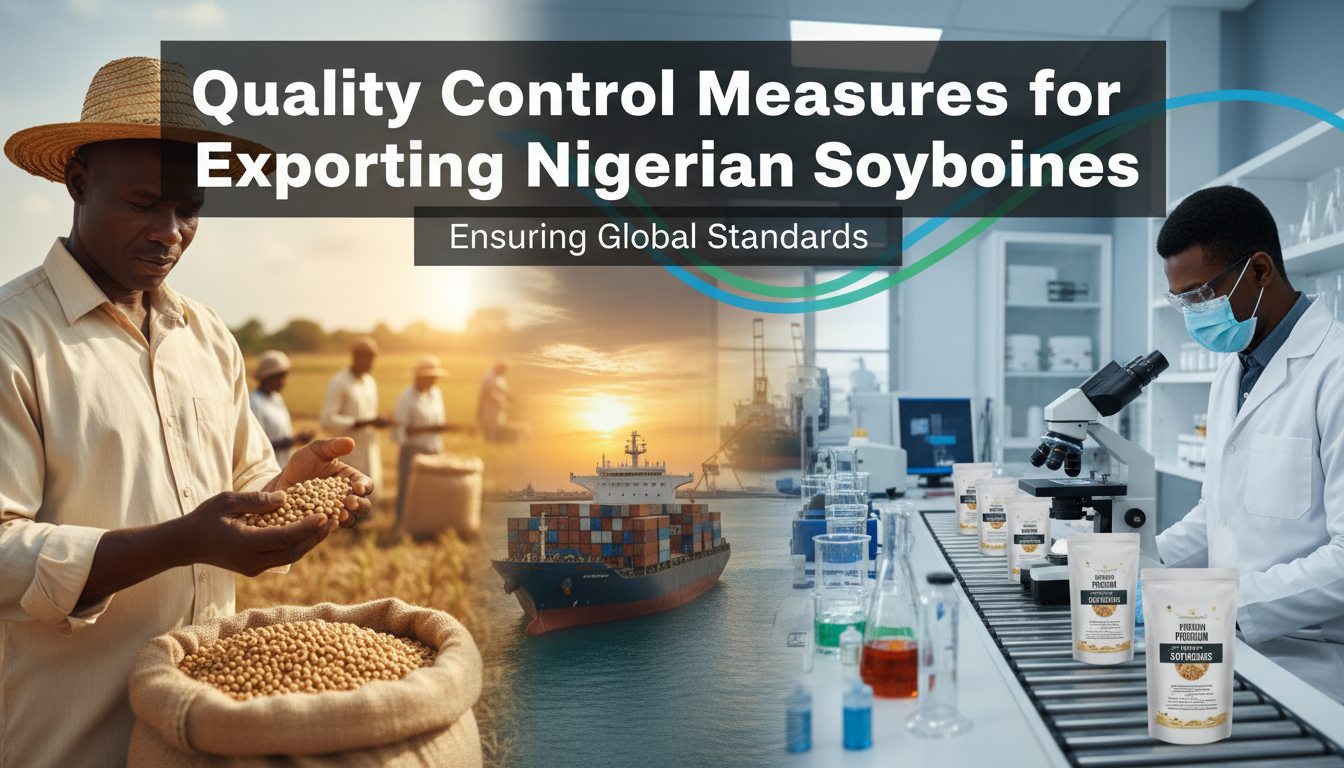
- Quality Control: Maintaining the quality of soybeans and soybean meal is essential for ensuring their nutritional value and safety for animal consumption. Strict quality control measures are needed throughout the production chain, from farm to feed mill.
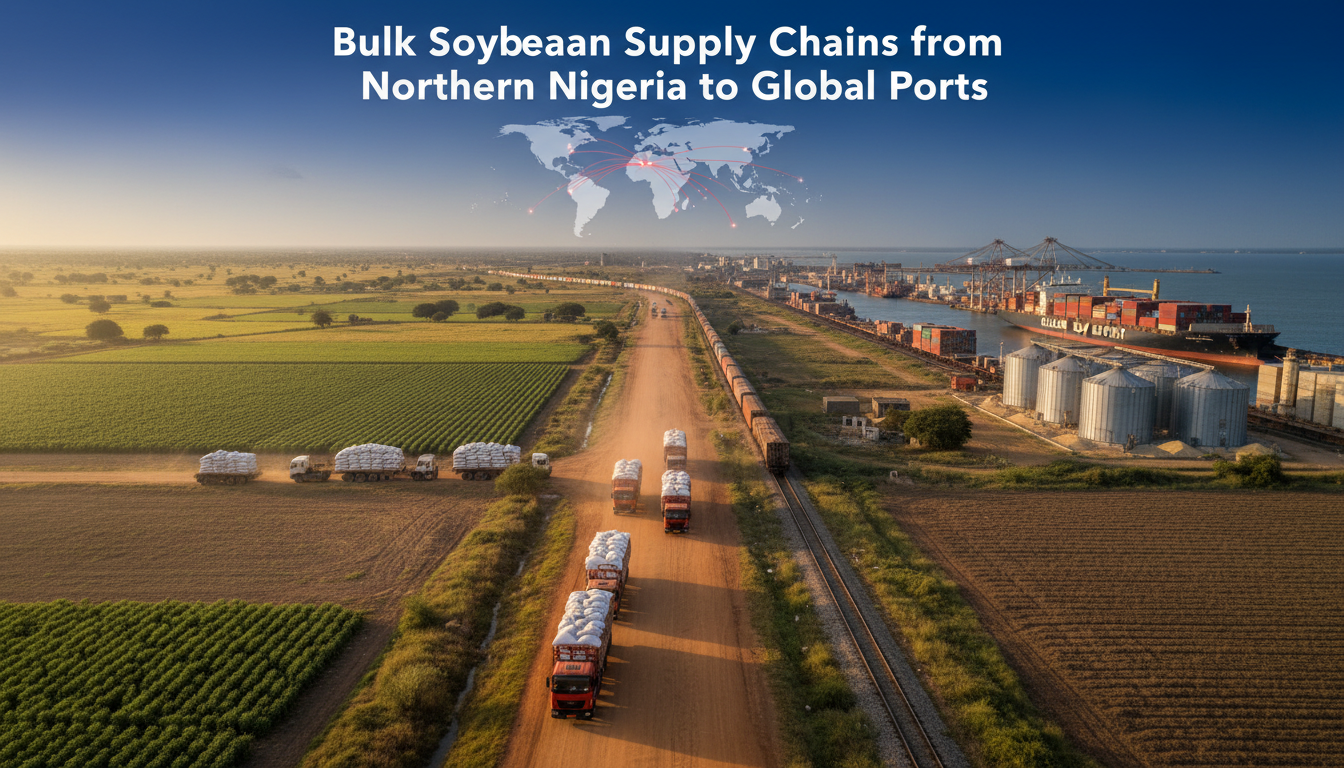
- Storage and Transportation: Proper storage and transportation infrastructure is needed to minimize post-harvest losses and maintain the quality of soybeans. Inadequate storage facilities can lead to spoilage, contamination, and reduced nutritional value.
- Farmer Education: Educating farmers on best practices for soybean cultivation, harvesting, and storage is crucial for improving yields and quality. Training programs should focus on topics such as soil management, pest and disease control, and post-harvest handling.
Part 2: Non-GMO Nigerian Soybeans for Human Consumption
Beyond its role in animal feed, the nutritional value of soybeans extends significantly to human diets. Non-GMO Nigerian soybeans offer a versatile and affordable source of protein, essential amino acids, and other vital nutrients, making them a valuable food source for addressing malnutrition and promoting healthy eating habits.
-
Nutritional Benefits for Human Health: Soybeans are a nutritional powerhouse, offering a wide range of health benefits. They are an excellent source of protein, providing all nine essential amino acids that the human body cannot produce on its own. This makes them a complete protein source, comparable to meat, eggs, and dairy products. In addition to protein, soybeans are also rich in fiber, vitamins, and minerals. They are a good source of iron, calcium, magnesium, phosphorus, potassium, and zinc. Soybeans also contain significant amounts of folate, vitamin K, and B vitamins. Furthermore, soybeans contain bioactive compounds such as isoflavones, which have been linked to various health benefits, including reduced risk of heart disease, cancer, and osteoporosis. Isoflavones are plant-based estrogens that can mimic the effects of estrogen in the body, helping to regulate hormone levels and protect against age-related diseases.
-
Soy-Based Food Products: Soybeans can be processed into a wide variety of food products, catering to diverse tastes and culinary traditions.
- Soymilk: Soymilk is a plant-based beverage made by soaking soybeans in water, grinding them, and then filtering the mixture. It is a popular alternative to cow’s milk for people who are lactose intolerant or who follow a vegan diet. Soymilk is a good source of protein, calcium, and vitamin D.
- Tofu: Tofu, also known as bean curd, is made by coagulating soymilk and then pressing the curd into blocks. It is a versatile ingredient that can be used in a variety of dishes, from stir-fries to soups to salads. Tofu is a good source of protein, iron, and calcium.
- Tempeh: Tempeh is a fermented soybean cake that originated in Indonesia. It is made by cooking soybeans and then fermenting them with a specific type of mold. Tempeh has a firm texture and a nutty flavor. It is a good source of protein, fiber, and probiotics.
- Soy Sauce: Soy sauce is a fermented condiment made from soybeans, wheat, salt, and water. It is a staple ingredient in many Asian cuisines.
- Edamame: Edamame are immature soybeans that are harvested before they ripen. They are typically steamed or boiled and served as a snack or appetizer. Edamame are a good source of protein, fiber, and vitamins.
- Soy Flour: Soy flour is made by grinding soybeans into a fine powder. It can be used in baking to add protein and texture to breads, cakes, and other baked goods.
- Soybean Oil: Soybean oil is a vegetable oil extracted from soybeans. It is widely used in cooking and food processing.
-
Addressing Malnutrition and Food Security: Soybeans can play a crucial role in addressing malnutrition and improving food security in Nigeria. They are a cost-effective and readily available source of protein, which is often lacking in the diets of vulnerable populations. Soybeans can be incorporated into various food products, such as fortified flours, infant formulas, and ready-to-eat meals, to improve their nutritional value. They can also be promoted as a staple food crop for smallholder farmers, providing them with a source of income and food security.
-
Consumer Awareness and Acceptance: Increasing consumer awareness and acceptance of soy-based foods is essential for promoting their consumption and maximizing their nutritional benefits. Educational campaigns can be launched to inform the public about the health benefits of soybeans, dispel myths and misconceptions, and promote the use of soy-based foods in everyday cooking. Chefs and food manufacturers can also play a role in developing innovative and appealing soy-based recipes that cater to local tastes and preferences.
-
Quality Control and Safety Standards: Maintaining the quality and safety of soy-based food products is crucial for ensuring consumer confidence and protecting public health. Strict quality control measures are needed throughout the production chain, from soybean cultivation to food processing and distribution. This includes ensuring that soybeans are free from contaminants, such as pesticides and heavy metals, and that soy-based food products meet established safety standards.
- Challenges and Opportunities: While non-GMO Nigerian soybeans offer significant potential for human consumption, several challenges and opportunities need to be considered.
- Processing Infrastructure: The availability of adequate processing infrastructure is crucial for converting raw soybeans into various food products. Investment in modern processing facilities is needed to improve efficiency, reduce waste, and ensure the production of high-quality food products.
- Market Access: Improving market access for soybean farmers and processors is essential for promoting the sustainable production and consumption of soybeans. This includes developing efficient supply chains, providing access to credit and financing, and promoting fair trade practices.
- Research and Development: Investing in research and development is crucial for developing new and improved soybean varieties, optimizing processing techniques, and creating innovative soy-based food products. This can help to increase soybean yields, improve product quality, and expand the market for soybeans.
Part 3: Cultivation Practices and Sustainability
The cultivation of non-GMO Nigerian soybeans requires careful attention to agronomic practices to ensure optimal yields, maintain soil health, and minimize environmental impacts. Sustainable farming practices are essential for promoting the long-term viability of the soybean industry and protecting the environment.
-
Suitable Regions and Soil Requirements: Soybeans can be grown in a wide range of agro-ecological zones in Nigeria, but they thrive best in regions with warm temperatures, adequate rainfall, and well-drained soils. The major soybean-producing states in Nigeria include Benue, Kaduna, Taraba, Plateau, and Niger. Soybeans prefer soils with a pH range of 6.0 to 7.0 and require adequate levels of phosphorus, potassium, and nitrogen. Soil testing is recommended to determine the specific nutrient requirements of the soil and to guide fertilizer application.
-
Seed Selection and Preparation: Selecting high-quality, non-GMO soybean seeds is crucial for ensuring good germination, vigorous growth, and high yields. Farmers should source seeds from reputable suppliers who can guarantee the quality and purity of the seeds. Before planting, seeds should be treated with a fungicide to protect them from soilborne diseases. Inoculation with nitrogen-fixing bacteria (Bradyrhizobium japonicum) is also recommended, particularly in soils where soybeans have not been grown before. This helps to ensure that the plants can effectively fix atmospheric nitrogen, reducing the need for nitrogen fertilizers.
-
Planting and Spacing: Soybeans are typically planted during the rainy season, from May to July, depending on the region. The planting depth should be about 2 to 3 centimeters, and the spacing between rows should be about 60 to 75 centimeters. The spacing between plants within a row should be about 5 to 7 centimeters. Proper spacing is important for ensuring adequate sunlight penetration, air circulation, and nutrient availability.
-
Fertilization and Nutrient Management: Soybeans require adequate levels of nutrients for optimal growth and yield. Soil testing is recommended to determine the specific nutrient requirements of the soil. Phosphorus and potassium are particularly important for soybean production, and they should be applied at planting. Nitrogen fertilizers are generally not necessary if the plants are properly inoculated with nitrogen-fixing bacteria. However, a small amount of nitrogen fertilizer may be applied at planting to stimulate early growth.
-
Weed Control: Weed control is essential for soybean production, as weeds can compete with the crop for nutrients, water, and sunlight. Weeds can be controlled manually, mechanically, or chemically. Manual weeding is labor-intensive but can be effective in small-scale farms. Mechanical weeding can be done using hoes or cultivators. Chemical weed control involves the use of herbicides, which should be applied according to the manufacturer’s instructions.
-
Pest and Disease Management: Soybeans are susceptible to a variety of pests and diseases, which can reduce yields and quality. Common pests include aphids, pod borers, and leafhoppers. Common diseases include soybean rust, frogeye leaf spot, and charcoal rot. Integrated pest and disease management (IPM) strategies should be used to minimize the use of pesticides and to promote sustainable crop production. IPM strategies include crop rotation, resistant varieties, biological control, and judicious use of pesticides.
-
Harvesting and Post-Harvest Handling: Soybeans are typically harvested when the pods have turned yellow or brown and the seeds have hardened. Harvesting should be done during dry weather to prevent spoilage. The harvested soybeans should be threshed to separate the seeds from the pods. The seeds should then be cleaned and dried to a moisture content of about 12% to prevent mold growth. Proper storage facilities are needed to protect the soybeans from pests, diseases, and moisture.
- Sustainable Farming Practices: Promoting sustainable farming practices is essential for ensuring the long-term viability of the soybean industry and protecting the environment. Sustainable farming practices include:
- Crop Rotation: Rotating soybeans with other crops, such as maize or sorghum, can help to improve soil health, reduce pest and disease pressure, and increase yields.
- Conservation Tillage: Conservation tillage practices, such as no-till farming, can help to reduce soil erosion, conserve soil moisture, and improve soil organic matter content.
- Integrated Pest Management: IPM strategies can help to minimize the use of pesticides and to promote sustainable crop production.
- Organic Farming: Organic farming practices can help to protect the environment, conserve biodiversity, and produce high-quality soybeans.
Part 4: Policies, Regulations, and Market Development
The successful development of the non-GMO Nigerian soybean industry requires a supportive policy environment, effective regulations, and robust market development strategies. Government policies and regulations can play a crucial role in promoting sustainable soybean production, ensuring quality and safety, and facilitating market access.
-
Government Policies and Support: The Nigerian government can play a key role in supporting the development of the non-GMO soybean industry through various policies and programs. These include:
- Research and Development Funding: Investing in research and development to develop new and improved soybean varieties, optimize processing techniques, and create innovative soy-based food products.
- Extension Services: Providing extension services to farmers to educate them on best practices for soybean cultivation, harvesting, and storage.
- Credit and Financing: Providing access to credit and financing for soybean farmers and processors.
- Infrastructure Development: Investing in infrastructure, such as roads, storage facilities, and processing plants.
- Trade Policies: Promoting trade policies that support the export of non-GMO Nigerian soybeans to international markets.
-
Regulatory Framework: Establishing a clear and effective regulatory framework is essential for ensuring the quality and safety of non-GMO Nigerian soybeans and soy-based products. This includes:
- Seed Certification: Implementing a seed certification system to ensure the quality and purity of non-GMO soybean seeds.
- Food Safety Standards: Establishing food safety standards for soy-based products to protect consumers.
- Labeling Requirements: Implementing labeling requirements to ensure that consumers are informed about the non-GMO status of soy-based products.
- Inspection and Enforcement: Conducting regular inspections and enforcement to ensure compliance with regulations.
- Market Development Strategies: Developing effective market development strategies is crucial for promoting the consumption and export of non-GMO Nigerian soybeans. This includes:
- Market Research: Conducting market research to identify potential markets for non-GMO Nigerian soybeans.
- Promotion and Marketing: Promoting non-GMO Nigerian soybeans and soy-based products through advertising, public relations, and trade shows.
- Value Chain Development: Supporting the development of the entire soybean value chain, from production to processing to marketing.
- Export Promotion: Promoting the export of non-GMO Nigerian soybeans to international markets.
- Certification: Encouraging farmers and processors to obtain certification for their non-GMO soybeans and soy-based products. This can help to increase consumer confidence and market access.
- Partnerships: Encouraging partnerships between farmers, processors, researchers, and government agencies to promote the sustainable development of the non-GMO soybean industry.
-
Addressing Genetically Modified (GM) Soybean Concerns: It’s crucial to address the potential introduction or cross-contamination of GM soybeans into the Nigerian non-GMO sector. Stricter border controls, rigorous seed testing protocols, and clear labeling guidelines are necessary to maintain the integrity of the non-GMO supply chain. Furthermore, fostering public awareness campaigns to highlight the benefits of non-GMO soybeans and dispel misinformation regarding genetic modification is essential for sustaining consumer trust and market demand.
- Promoting Local Consumption Through Innovative Products: Investing in research and development to create innovative soy-based food products tailored to local tastes and dietary preferences can significantly boost domestic consumption. This could involve developing fortified foods, ready-to-eat meals, or traditional Nigerian dishes that incorporate soybeans as a key ingredient. Collaboration between food scientists, chefs, and entrepreneurs can lead to the creation of culturally relevant and nutritionally enhanced soy-based products that appeal to a wider consumer base.




Comments are closed