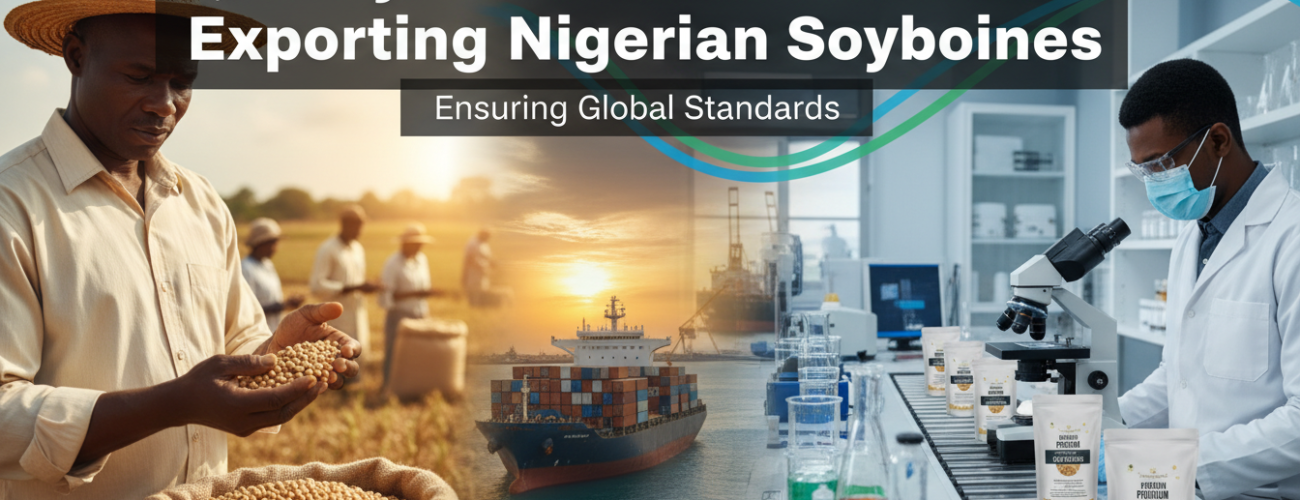
Quality Control Measures for Exporting Nigerian Soybeans
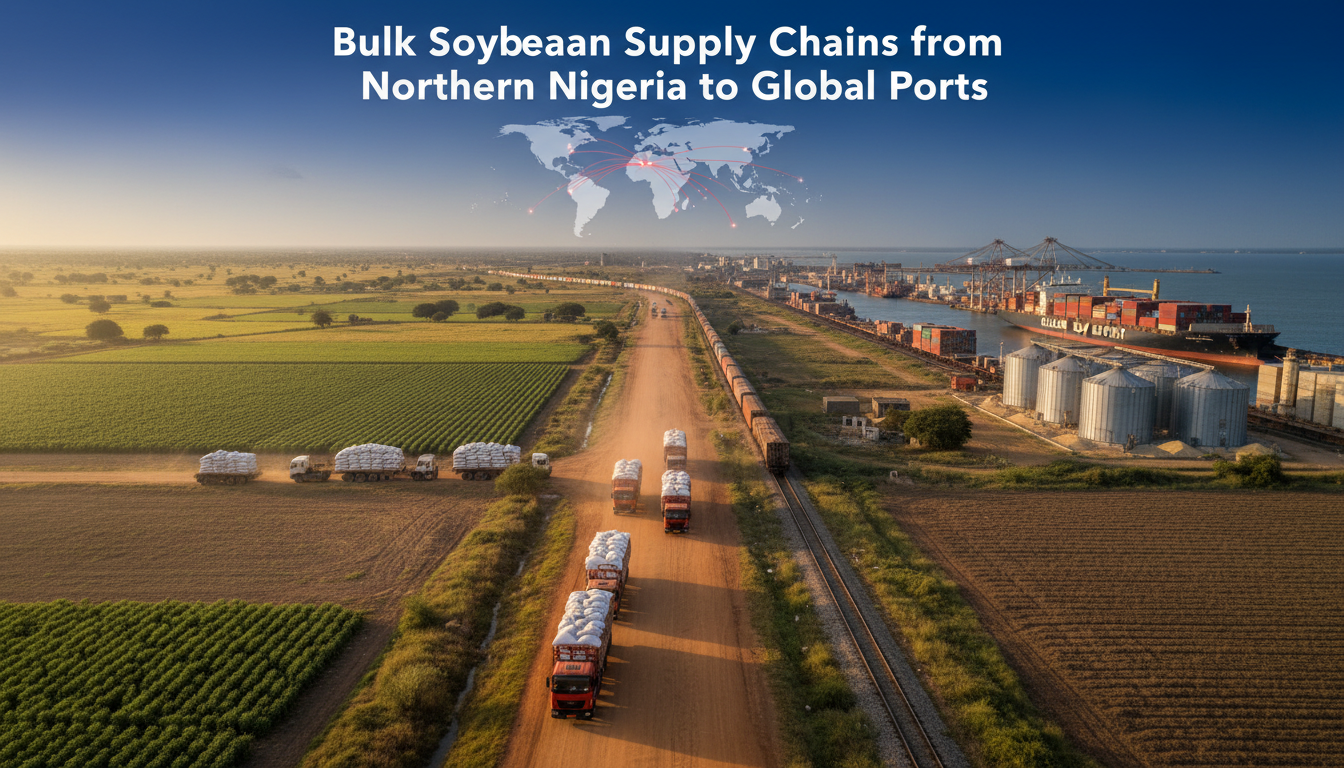
Nigerian soybeans hold significant potential in the global market, driven by increasing demand for protein-rich food and feed. However, realizing this potential hinges critically on implementing robust quality control measures throughout the entire soybean value chain, from planting to export. Inconsistent quality, arising from various factors, has historically hampered Nigeria’s ability to consistently meet international standards and secure lucrative export contracts. This article delves into the essential quality control measures needed to ensure Nigerian soybeans are competitive in the global market, covering key aspects from pre-planting practices to post-harvest handling, processing, and export protocols.
I. Pre-Planting and Planting Stage: Laying the Foundation for Quality
The foundation for high-quality soybeans is laid well before the seeds even touch the soil. Quality control begins with strategic planning and meticulous attention to detail during the pre-planting and planting phases.
-
Seed Selection and Management:
- Certified Seeds: The use of certified seeds is paramount. Certified seeds guarantee genetic purity, ensuring consistent traits desirable for processing and meeting international standards. These seeds are produced under controlled conditions, guaranteeing germination rate, disease resistance, and optimal yield potential. Farmers should source seeds from reputable seed companies or government-approved distributors who adhere to stringent quality standards.
- Variety Selection: Choosing the right soybean variety is crucial. Different varieties have varying protein and oil content, maturity periods, and resistance to local pests and diseases. Farmers should select varieties best suited to their agro-ecological zone and market demands. Market research should inform variety selection, considering the specific requirements of target export markets regarding protein content, oil profile, and intended use (e.g., human consumption, animal feed, or industrial applications).
- Seed Treatment: Treating seeds with appropriate fungicides and insecticides before planting is an important prophylactic measure. This protects seedlings from soil-borne diseases and early insect infestations, contributing to healthier plant development and improved yield. The choice of seed treatment should comply with both national regulations and the phytosanitary requirements of importing countries. Farmers must adhere to recommended application rates and safety precautions during seed treatment.
- Seed Storage: Proper seed storage is crucial for maintaining viability. Seeds should be stored in cool, dry, and well-ventilated conditions, away from direct sunlight and moisture. Storage facilities should be regularly inspected for pests and rodents. Periodically checking seed germination rates before planting can help identify and discard any non-viable seeds.
-
Soil Management:
- Soil Testing: Soil testing is essential to determine the nutrient content and pH level of the soil. This information guides fertilizer application, ensuring optimal nutrient availability for soybean growth. Deficiencies in essential nutrients, such as nitrogen, phosphorus, and potassium, can negatively impact yield and seed quality.
- Soil Preparation: Proper soil preparation creates a favorable environment for seed germination and root development. Tillage practices should aim to improve soil structure, drainage, and aeration. Incorporating organic matter, such as compost or manure, can enhance soil fertility and water-holding capacity.
- Weed Control: Effective weed control is vital to prevent competition for nutrients, water, and sunlight. Weeds can significantly reduce soybean yield and negatively impact seed quality. Integrated weed management strategies, including pre-emergent and post-emergent herbicides, mechanical weeding, and crop rotation, should be employed to minimize weed pressure.
- Rhizobium Inoculation: Soybeans, being legumes, rely on nitrogen fixation by Rhizobium bacteria in the soil. Inoculating soybean seeds with Rhizobium inoculant ensures adequate nitrogen fixation, reducing the need for synthetic nitrogen fertilizers and improving plant growth and seed quality. The use of appropriate inoculants specific to soybean varieties is crucial for effective nitrogen fixation.
-
Planting Practices:
- Optimal Planting Time: Planting soybeans at the optimal time maximizes yield potential. The optimal planting time varies depending on the agro-ecological zone and soybean variety. Planting too early or too late can expose seedlings to unfavorable weather conditions, such as frost or drought, reducing yield and quality.
- Planting Density: Planting density influences plant population and competition for resources. Planting too densely can lead to overcrowding, reduced pod development, and smaller seed size. Planting too sparsely can result in lower yields. Farmers should follow recommended planting densities for the specific soybean variety and soil conditions.
- Planting Depth: Planting depth affects seed germination and seedling emergence. Planting too deep can deplete the seed’s energy reserves before emergence, while planting too shallow can expose the seed to drying out. The recommended planting depth for soybeans is typically 1-2 inches.
- Proper Spacing: Maintaining proper row spacing allows for adequate sunlight penetration and air circulation, reducing the risk of disease outbreaks and promoting uniform plant growth. Row spacing should be adjusted based on the soybean variety and planting density.
II. In-Season Management: Nurturing Quality During Growth
During the growing season, continuous monitoring and proactive interventions are essential to ensure the healthy development of soybean plants and the production of high-quality seeds.
-
Pest and Disease Management:
- Integrated Pest Management (IPM): Implementing an IPM program is crucial for minimizing yield losses and maintaining seed quality. IPM involves using a combination of cultural practices, biological control, and chemical control to manage pests and diseases.
- Regular Scouting: Regular scouting of soybean fields is essential to identify and monitor pest and disease infestations. Early detection allows for timely intervention, minimizing damage and preventing widespread outbreaks.
- Threshold-Based Control: Applying pesticides only when pest populations reach economic thresholds minimizes environmental impact and reduces the risk of pesticide resistance. The use of selective pesticides that target specific pests while preserving beneficial insects is encouraged.
- Disease-Resistant Varieties: Planting disease-resistant soybean varieties can significantly reduce the risk of disease outbreaks and the need for fungicide applications.
- Proper Sanitation: Maintaining proper sanitation practices, such as removing crop residues and controlling weeds, can help prevent the spread of pests and diseases.
-
Irrigation Management:
- Adequate Water Supply: Soybeans require adequate water throughout the growing season, particularly during flowering and pod development. Water stress can significantly reduce yield and seed quality.
- Efficient Irrigation Methods: Employing efficient irrigation methods, such as drip irrigation or sprinkler irrigation, minimizes water wastage and ensures uniform water distribution.
- Avoiding Waterlogging: Waterlogging can damage soybean roots and reduce yield. Proper drainage is essential to prevent waterlogging, especially in heavy clay soils.
-
Fertilizer Management:
- Nutrient Monitoring: Monitoring nutrient levels in soybean plants through tissue analysis can help identify nutrient deficiencies and guide fertilizer applications.
- Balanced Fertilization: Applying a balanced fertilizer program that meets the specific nutrient requirements of soybeans ensures optimal plant growth and seed quality.
- Foliar Fertilization: Foliar fertilization can be used to supplement soil-applied fertilizers, particularly during periods of high nutrient demand.
III. Post-Harvest Handling: Preserving Quality After Harvest
Post-harvest handling practices play a critical role in maintaining the quality of harvested soybeans and preventing deterioration during storage and transportation.
-
Harvesting:
- Optimal Harvest Time: Harvesting soybeans at the optimal moisture content is crucial to minimize seed damage and prevent mold growth. The ideal moisture content for harvesting soybeans is typically between 13% and 15%.
- Proper Combine Settings: Setting the combine properly minimizes seed damage during harvesting. Adjusting the cylinder speed, concave clearance, and fan speed can reduce cracking and splitting of soybeans.
- Minimizing Foreign Matter: Minimizing the amount of foreign matter, such as stems, leaves, and weed seeds, during harvesting reduces the risk of contamination and spoilage.
-
Drying:
- Prompt Drying: Soybeans should be dried promptly after harvesting to prevent mold growth and spoilage.
- Appropriate Drying Methods: Employing appropriate drying methods, such as natural air drying or mechanical drying, reduces moisture content to safe storage levels (typically below 13%).
- Avoiding Overheating: Overheating soybeans during drying can damage the seeds and reduce their quality. Drying temperatures should be carefully controlled to prevent overheating.
-
Storage:
- Clean and Dry Storage Facilities: Soybeans should be stored in clean, dry, and well-ventilated storage facilities. The storage facilities should be protected from pests, rodents, and moisture.
- Temperature and Humidity Control: Maintaining appropriate temperature and humidity levels during storage is essential to prevent mold growth and insect infestations.
- Regular Monitoring: Regularly monitoring soybeans in storage for signs of spoilage, insect activity, and moisture accumulation is crucial for early detection and prevention of quality deterioration.
- Proper Aeration: Proper aeration helps maintain uniform temperature and moisture levels throughout the storage pile, reducing the risk of spoilage.
IV. Processing and Grading: Adding Value and Ensuring Uniformity
Processing and grading soybeans before export are essential steps for adding value and ensuring that the product meets the specific quality requirements of international buyers.
-
Cleaning:
- Removing Foreign Matter: Cleaning soybeans removes foreign matter, such as stems, leaves, weed seeds, and dirt, improving the appearance and quality of the product.
- Cleaning Equipment: Using appropriate cleaning equipment, such as screens, air separators, and gravity tables, effectively removes foreign matter without damaging the soybeans.
-
Grading:
- Establishing Quality Standards: Establishing clear and objective quality standards for soybeans is essential for consistent grading. These standards should be based on factors such as moisture content, protein content, oil content, seed size, damage, and foreign matter.
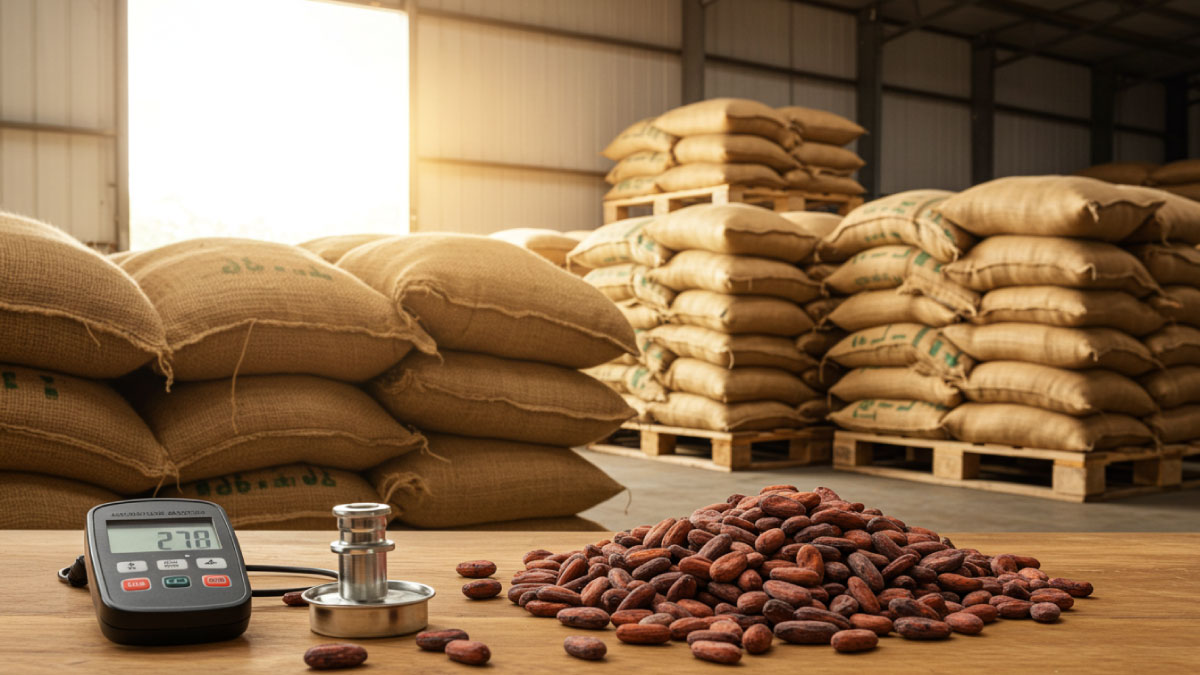
- Grading Equipment: Using appropriate grading equipment, such as moisture meters, protein analyzers, and seed counters, ensures accurate and consistent grading.
- Trained Graders: Trained graders who are knowledgeable about soybean quality standards are essential for accurate and reliable grading.
-
Processing (Optional):
- Soybean Processing Options: Depending on the target market, soybeans may be processed into various products, such as soybean meal, soybean oil, and soy protein concentrate.
- Quality Control During Processing: Implementing strict quality control measures during processing is essential to ensure that the final product meets the required quality standards. This includes monitoring temperature, pressure, and pH levels, as well as conducting regular quality tests.
V. Packaging and Transportation: Maintaining Quality During Transit
Proper packaging and transportation are essential for protecting soybeans from damage and contamination during transit to export markets.
-
Packaging:
- Appropriate Packaging Materials: Using appropriate packaging materials, such as woven bags or bulk containers, protects soybeans from moisture, pests, and physical damage.
- Proper Sealing: Properly sealing the packaging prevents moisture from entering and pests from infesting the soybeans.
- Labeling: Clearly labeling the packaging with information such as the product name, grade, weight, and origin ensures proper identification and traceability.
-
Transportation:
- Clean Transportation Vehicles: Using clean transportation vehicles prevents contamination of the soybeans.
- Protecting from Moisture: Protecting soybeans from moisture during transportation is essential to prevent mold growth and spoilage. Covering the cargo with tarpaulins or using enclosed containers helps prevent moisture damage.
- Temperature Control: Maintaining appropriate temperature levels during transportation can help prevent spoilage, especially during long-distance transit.
- Proper Handling: Handling soybeans carefully during loading and unloading minimizes damage and prevents spillage.
VI. Export Documentation and Compliance: Meeting International Standards
Meeting all export documentation and compliance requirements is essential for facilitating the smooth and efficient export of Nigerian soybeans.
-
Phytosanitary Certificates:
- Obtaining Phytosanitary Certificates: Obtaining phytosanitary certificates from the relevant government authorities confirms that the soybeans are free from pests and diseases and meet the phytosanitary requirements of the importing country.
- Compliance with Import Regulations: Ensuring that the soybeans comply with all import regulations of the importing country, including maximum residue limits for pesticides and other contaminants, is crucial for avoiding rejection at the port of entry.
-
Certificates of Origin:
- Obtaining Certificates of Origin: Obtaining certificates of origin confirms that the soybeans were produced in Nigeria, which may be required for preferential tariff treatment or compliance with trade agreements.
-
Quality Certificates:
- Providing Quality Certificates: Providing quality certificates from accredited laboratories demonstrates that the soybeans meet the specified quality standards. These certificates may include information on moisture content, protein content, oil content, and other quality parameters.
-
Other Documentation:
- Preparing Other Required Documentation: Preparing other required documentation, such as invoices, packing lists, and bills of lading, is essential for facilitating customs clearance and ensuring smooth export transactions.
By implementing these comprehensive quality control measures at every stage of the soybean value chain, Nigerian farmers, processors, and exporters can significantly enhance the quality and competitiveness of their soybeans in the global market, leading to increased export opportunities and economic growth. Continuous improvement and adaptation to evolving market demands are essential for maintaining a sustainable and thriving soybean export sector in Nigeria.
Comments are closed