
The Best Refined Shea Butter Suppliers in Nigeria: Navigating Quality, Sustainability, and Reliability in a Growing Market
Nigeria, blessed with an abundance of shea trees, is a significant player in the global shea butter market. While unrefined shea butter is celebrated for its natural qualities and traditional production methods, refined shea butter offers a different set of benefits, particularly for cosmetic formulations requiring consistency, odor control, and a longer shelf life. This article delves into the complex landscape of refined shea butter suppliers in Nigeria, highlighting key players, crucial factors to consider when choosing a supplier, and the importance of sustainable practices within the industry.
The demand for refined shea butter is steadily increasing, driven by the burgeoning beauty and personal care industries both locally and internationally. Refined shea butter undergoes processing to remove impurities, odor, and color, resulting in a more neutral and versatile ingredient suitable for a wider range of applications. From lotions and creams to soaps and hair conditioners, refined shea butter is a staple in many formulations. However, not all refined shea butter is created equal, and discerning buyers need to carefully evaluate potential suppliers based on several crucial criteria.
Key Players in the Nigerian Refined Shea Butter Market:
Identifying the "best" suppliers requires a nuanced understanding of their strengths and weaknesses. While specific supplier rankings are subject to change based on market dynamics and evolving business practices, some notable players consistently demonstrate a commitment to quality, reliability, and sustainable sourcing. Here are some categories of suppliers and examples of companies often mentioned in industry discussions:
- Large-Scale Processors with Integrated Supply Chains: These companies often have significant investments in modern processing facilities and established networks for sourcing shea nuts. They prioritize consistent quality and volume, catering to large manufacturers and exporters.
- Example: Some international commodity trading companies with operations in Nigeria that refine shea butter on a large scale. While specific names are commercially sensitive and constantly evolving, researching companies active in the agricultural commodity trading space in Nigeria is a good starting point. These entities often emphasize economies of scale and consistent product specifications.
- Specialized Shea Butter Processors: These companies focus specifically on shea butter processing and may offer a wider range of refined shea butter grades and customization options. They often emphasize traceability and close relationships with shea nut collectors.
- Example: There are several indigenous Nigerian companies focusing solely on shea butter processing, aiming to add value locally and compete in the international market. Identifying these requires careful research through industry associations and online directories specializing in Nigerian agricultural products. These companies frequently emphasize the origin of their shea nuts and their commitment to supporting local communities.
- Cooperatives and Fair Trade Organizations: While traditionally focused on unrefined shea butter, some cooperatives are expanding into refining to capture a larger share of the value chain. They prioritize fair prices for shea nut collectors and environmentally responsible practices.
- Example: Organizations working directly with women’s groups and shea nut collectors in rural communities are increasingly exploring refining as a way to increase their income and ensure quality control. These organizations may not always have the largest processing capacity, but they often offer a compelling story of ethical sourcing and community empowerment.
- Export-Oriented Companies: These businesses primarily focus on exporting refined shea butter to international markets, adhering to strict quality standards and regulatory requirements.
- Example: Nigerian companies actively involved in exporting agricultural products, particularly those with certifications like organic or fair trade, are likely contenders. Their focus on international markets necessitates adherence to rigorous quality control measures and traceability requirements.
Factors to Consider When Choosing a Refined Shea Butter Supplier:
Selecting the right supplier is critical for ensuring the quality, consistency, and ethical sourcing of your refined shea butter. Here are the key factors to consider:
-
Quality and Purity: This is paramount. Request detailed product specifications, including:
- FFA (Free Fatty Acid) content: Lower FFA indicates higher quality and stability. Aim for suppliers who consistently achieve low FFA levels.
- Iodine Value: This measures the degree of unsaturation of the fats. Consistent iodine values are crucial for ensuring predictable behavior in formulations.
- Melting Point: A stable melting point is essential for product stability, especially in warm climates.
- Saponification Value: This measures the amount of alkali required to saponify a given quantity of fat. Consistent saponification values are important for soap making.
- Peroxide Value: This indicates the level of oxidation. Low peroxide values are crucial for preventing rancidity and extending shelf life.
- Heavy Metal Testing: Ensure the shea butter is tested for heavy metals like lead, arsenic, and mercury to meet regulatory requirements.
- Microbiological Testing: Confirm that the shea butter is free from harmful bacteria and fungi.
- Refining Process: Understand the supplier’s refining process. Some processes use harsh chemicals, while others employ more environmentally friendly methods like steam refining.
-
Traceability and Origin: Knowing the origin of the shea nuts is becoming increasingly important for consumers who demand transparency.
- Farm-to-Factory Traceability: Can the supplier trace the shea nuts back to the specific communities or farms where they were harvested?
- Geographic Region: Understand the specific region in Nigeria where the shea nuts are sourced. Different regions may produce shea butter with slightly different characteristics.
- Harvesting Practices: Are the shea nuts harvested sustainably, minimizing damage to the trees and surrounding environment?
-
Sustainability and Ethical Sourcing: Support suppliers who prioritize sustainable practices and fair treatment of shea nut collectors.
- Fair Trade Certification: Look for suppliers who are Fair Trade certified, ensuring that shea nut collectors receive fair prices and working conditions.
- Community Development Programs: Does the supplier invest in community development programs to support shea nut collecting communities?
- Environmental Protection: Does the supplier implement environmentally responsible practices to minimize their impact on the environment?
-
Processing Capacity and Lead Times: Ensure the supplier can meet your volume requirements and deliver on time.
- Production Capacity: Can the supplier consistently provide the quantity of refined shea butter you need?
- Lead Times: What is the typical lead time for fulfilling orders?
- Inventory Management: Does the supplier maintain sufficient inventory to meet unexpected demand?
-
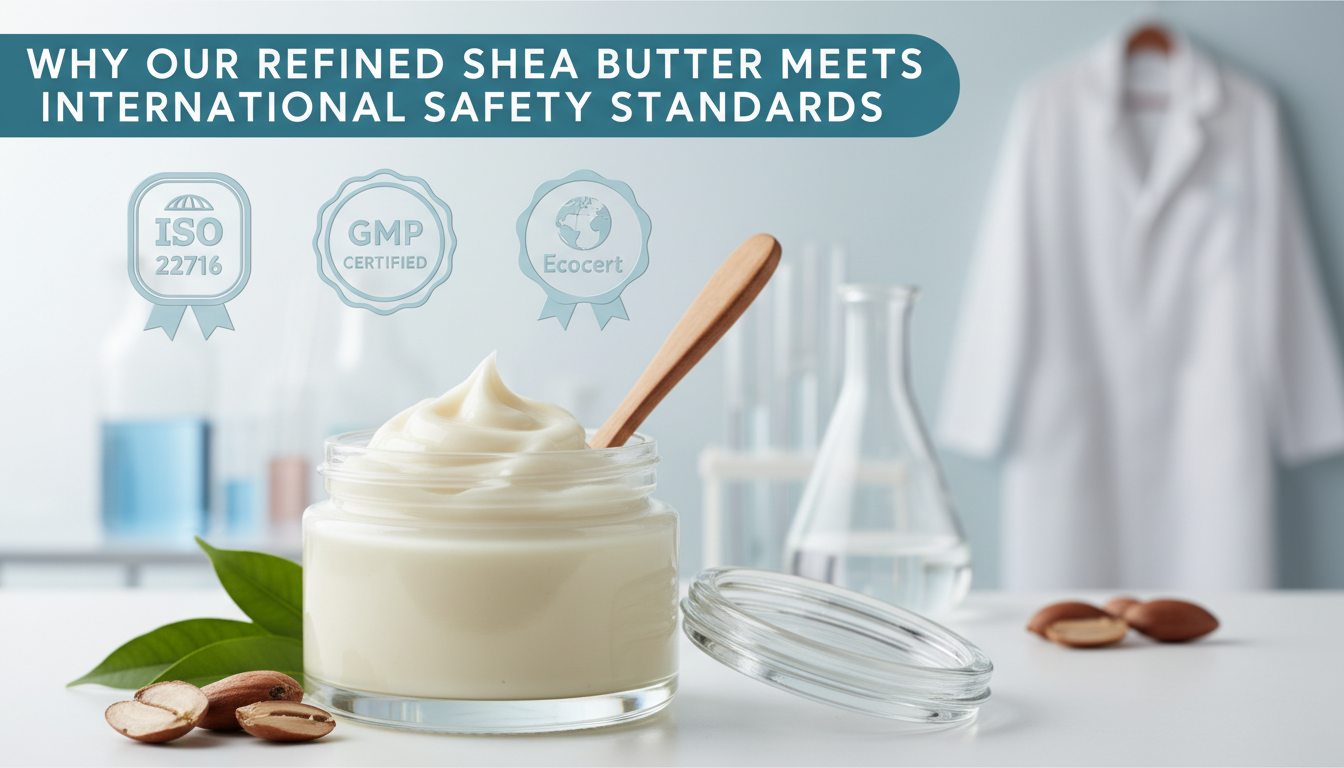
Certifications and Compliance: Look for suppliers with relevant certifications, demonstrating their commitment to quality and safety.
- ISO Certifications: ISO 9001 (Quality Management System) and ISO 22000 (Food Safety Management System) are important indicators of a supplier’s commitment to quality and safety.
- Organic Certification: If you require organic refined shea butter, ensure the supplier is certified by a reputable organic certification body.
- Fair Trade Certification: As mentioned earlier, Fair Trade certification guarantees fair prices and working conditions for shea nut collectors.
-
Pricing and Payment Terms: Obtain competitive pricing and favorable payment terms.
- Price Transparency: Does the supplier provide clear and transparent pricing?
- Payment Options: What payment methods does the supplier accept?
- Discounts for Bulk Orders: Does the supplier offer discounts for large orders?
-
Customer Service and Communication: Choose a supplier who is responsive and provides excellent customer service.
- Communication Channels: Can you easily contact the supplier via phone, email, or other channels?
- Responsiveness: Does the supplier respond promptly to inquiries and address concerns?
- Technical Support: Does the supplier provide technical support to help you use their refined shea butter in your formulations?
- Reputation and References: Check the supplier’s reputation and ask for references from other customers.
- Online Reviews: Look for online reviews and testimonials from other customers.
- Industry Associations: Check if the supplier is a member of relevant industry associations and has a good standing.
- Direct References: Contact the supplier and ask for references from existing customers.
The Importance of Sustainable Practices:
The shea butter industry in Nigeria has the potential to contribute significantly to economic development and environmental sustainability. However, unsustainable harvesting practices and unfair trading practices can undermine these benefits.
- Sustainable Harvesting: Encourage suppliers who promote sustainable harvesting practices, such as leaving some shea nuts on the ground to regenerate the trees and avoiding the use of fire to clear undergrowth.
- Fair Prices for Shea Nut Collectors: Support suppliers who pay fair prices to shea nut collectors, empowering them to improve their livelihoods and invest in their communities.
- Environmental Protection: Advocate for suppliers who minimize their environmental impact by using environmentally friendly processing methods and reducing waste.
- Empowering Women: The shea butter industry is largely driven by women in rural communities. Support suppliers who prioritize the empowerment of women by providing them with access to training, resources, and fair wages.
By carefully considering these factors and prioritizing sustainability, buyers can identify the best refined shea butter suppliers in Nigeria and contribute to the responsible growth of this important industry. This will not only ensure access to high-quality ingredients for their formulations but also support the livelihoods of shea nut collectors and protect the environment.






Comments are closed