
The Strategic Advantage of Nigerian White Maize Exports
Nigeria, often associated with crude oil, possesses a vast and largely untapped agricultural potential. Among its diverse crops, white maize stands out as a commodity holding significant strategic advantage for export. While yellow maize is globally more prevalent in animal feed, white maize holds a vital place in human consumption, particularly in West Africa and parts of Southern Africa. This regional demand, coupled with Nigeria’s increasing production capacity, offers a compelling opportunity to establish the nation as a leading exporter of white maize, generating substantial economic benefits and solidifying its regional influence.
The strategic advantage of Nigerian white maize exports can be dissected into several key areas: growing regional demand, comparative cost advantages, potential for value-added processing, supportive government policies (though requiring further strengthening), infrastructure improvements, and geopolitical leverage. Understanding each of these facets is crucial for Nigeria to effectively harness its potential and navigate the challenges that lie ahead.
1. Capitalizing on Growing Regional Demand for White Maize:
The primary driver for the strategic advantage of Nigerian white maize exports lies in the consistently strong and expanding demand within West and Southern Africa. White maize is a staple food for millions in these regions, forming the basis of dishes like tuwo shinkafa, ugali, sadza, and various cornmeal-based meals. This demand is driven by several factors, including population growth, urbanization, and evolving dietary preferences.
Unlike yellow maize, which is primarily used for animal feed, white maize occupies a critical position in ensuring food security within these regions. Local production often falls short of meeting demand, creating a persistent import gap that Nigeria is well-positioned to fill. Neighboring countries like Benin, Togo, Niger, and Cameroon, all within the Economic Community of West African States (ECOWAS), represent immediate and accessible markets. Furthermore, the larger Southern African market, particularly countries like Zimbabwe, Zambia, and Malawi, face recurring deficits in white maize production due to climate variability and infrastructural challenges, creating a longer-term export opportunity.
Successfully tapping into this growing regional demand requires understanding the specific preferences and quality requirements of each market. For instance, some regions prefer coarser grains, while others prioritize color and milling properties. Market research is paramount to ensure that Nigerian maize producers are cultivating varieties and employing post-harvest practices that align with these specific needs. Investing in aggregation centers and grading facilities will further enhance the quality and consistency of Nigerian white maize, making it more competitive in the international market. Moreover, establishing strong trading relationships and long-term contracts with buyers in these regions will provide stability and predictability for Nigerian producers, encouraging increased investment in production.
2. Leveraging Comparative Cost Advantages:
Nigeria possesses several comparative cost advantages in white maize production compared to other potential exporters, particularly those from outside the African continent. These advantages stem from factors related to land, labor, and proximity to target markets.
Firstly, Nigeria boasts vast arable land suitable for maize cultivation. While not all of this land is currently under cultivation or managed efficiently, the potential for expansion and intensification of maize production is significant. This abundance of land contributes to lower land costs compared to countries with more constrained agricultural land availability.
Secondly, Nigeria has a relatively low labor cost in the agricultural sector. While this labor is often characterized by lower productivity due to limited access to modern farming techniques and equipment, improvements in mechanization and training can significantly enhance labor productivity, further reducing the cost of production per unit of maize.
Thirdly, Nigeria’s geographical proximity to key West and Southern African markets provides a significant transportation cost advantage. Shipping maize from Nigeria to these countries is substantially cheaper and faster than shipping from countries like the United States, Argentina, or Brazil. This proximity translates into lower overall delivered costs, making Nigerian white maize more competitive in these markets.
However, these comparative cost advantages are not automatic. They need to be actively nurtured and reinforced through strategic investments and policy interventions. This includes promoting the adoption of improved maize varieties with higher yields, facilitating access to affordable financing for farmers, and investing in infrastructure to reduce transportation costs and post-harvest losses. Addressing insecurity in key maize-producing regions is also crucial to ensure consistent supply and prevent disruptions to the value chain.
3. Unlocking Potential Through Value-Added Processing:
While exporting raw white maize offers immediate benefits, the long-term strategic advantage lies in developing value-added processing industries within Nigeria. This not only creates new jobs and stimulates economic growth but also allows Nigeria to export higher-value products and capture a larger share of the overall market.
Potential value-added processing options for white maize include:
- Maize Flour Production: Establishing modern maize flour mills can produce high-quality maize flour for both domestic consumption and export. This can replace imports of processed maize products and create a more robust domestic food processing industry.
- Cornmeal Production: Similar to maize flour, cornmeal is a versatile ingredient used in various food applications. Producing high-quality cornmeal for export can tap into specific market niches and command higher prices.
- Animal Feed Production: While white maize is primarily for human consumption, it can also be used as a component in animal feed, particularly for poultry and livestock. Diversifying the use of white maize can buffer against price fluctuations in the human consumption market.
- Starch and Glucose Production: Maize starch is a valuable ingredient in various industries, including food processing, textiles, and pharmaceuticals. Investing in starch and glucose production facilities can diversify the value chain and create new export opportunities.
- Extruded Food Products: Maize can be processed into various extruded food products like breakfast cereals, snacks, and pasta alternatives. These products are becoming increasingly popular in urban areas across Africa and represent a growing market opportunity.
Developing these value-added industries requires significant investment in technology, infrastructure, and human capital. Government policies should focus on attracting both domestic and foreign investment in these sectors, providing incentives for technology transfer, and supporting training programs to develop the necessary skills. Furthermore, ensuring a consistent and reliable supply of high-quality white maize is crucial for the success of these processing industries.
4. Strengthening Supportive Government Policies:
The Nigerian government has a crucial role to play in enabling and supporting the white maize export sector. While existing policies aim to promote agricultural development, further strengthening and targeted interventions are needed to fully realize the strategic advantage of white maize exports.
Key policy areas that require attention include:
- Input Subsidies and Access to Finance: Providing subsidies for essential inputs like fertilizer and improved seeds can significantly reduce the cost of production for farmers. Facilitating access to affordable financing through government-backed loan programs can enable farmers to invest in improved technologies and expand their production capacity.
- Infrastructure Development: Investing in rural infrastructure, including roads, storage facilities, and irrigation systems, is crucial for reducing post-harvest losses and improving the efficiency of the supply chain. Prioritizing infrastructure projects in key maize-producing regions can have a significant impact on export competitiveness.
- Quality Control and Standardization: Establishing robust quality control and standardization procedures for white maize production and processing is essential for meeting the requirements of international markets. This includes implementing certification programs and providing training for farmers and processors on best practices.
- Export Promotion and Market Access: Actively promoting Nigerian white maize in regional and international markets through trade missions, trade fairs, and marketing campaigns can help to expand export opportunities. Negotiating favorable trade agreements with key importing countries can also reduce trade barriers and enhance market access.
- Research and Development: Investing in research and development to develop improved maize varieties that are adapted to local conditions and have higher yields is crucial for long-term sustainability. This includes supporting research institutions and promoting collaboration between researchers, farmers, and processors.
- Security: Addressing insecurity in key maize-producing regions is paramount. Targeted security measures and community engagement programs are needed to ensure the safety of farmers and prevent disruptions to the value chain.
Effective implementation of these policies requires strong coordination between different government agencies and close collaboration with the private sector. A clear and consistent policy framework, coupled with effective implementation mechanisms, is essential for creating a conducive environment for white maize exports.
5. Investing in Infrastructure Improvements:
Infrastructural deficiencies are a significant constraint on agricultural development in Nigeria, particularly impacting the white maize export sector. Overcoming these challenges requires significant investment in key areas, including transportation, storage, and processing infrastructure.
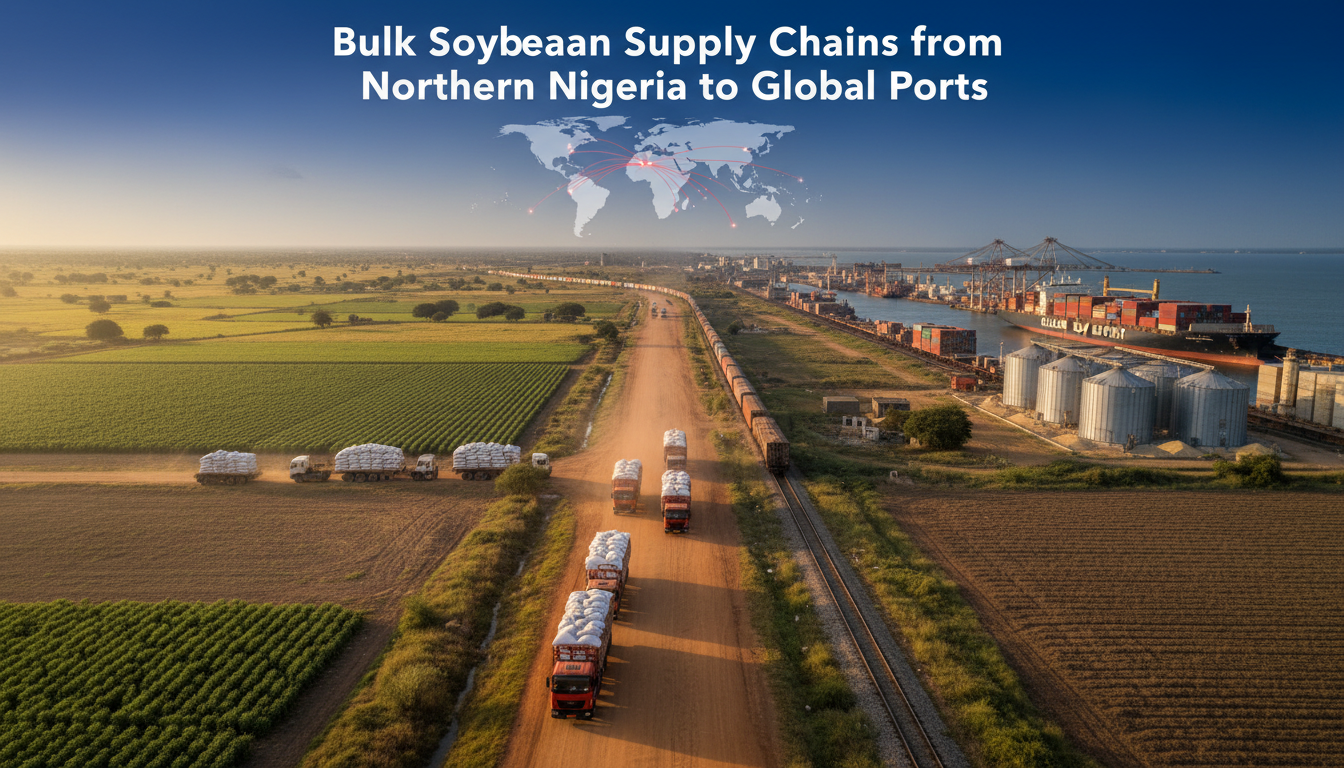
- Transportation: Poor road networks and inadequate transportation infrastructure significantly increase the cost of transporting maize from farms to markets and ports. Investing in the rehabilitation and expansion of rural roads, railways, and waterways is crucial for reducing transportation costs and improving the efficiency of the supply chain.
- Storage: Inadequate storage facilities lead to significant post-harvest losses, reducing the quantity and quality of maize available for export. Investing in the construction of modern storage facilities, including silos and warehouses, can help to minimize losses and maintain the quality of maize.
- Processing: As discussed earlier, developing value-added processing industries requires investment in modern processing facilities. This includes investing in maize flour mills, cornmeal plants, starch production facilities, and other processing plants.
- Ports: Improving the efficiency of Nigerian ports is essential for facilitating exports. This includes investing in modern port equipment, streamlining customs procedures, and reducing congestion.
Financing these infrastructure improvements requires a combination of public and private investment. The government can play a catalytic role by providing seed funding, creating public-private partnerships, and attracting foreign investment.
6. Leveraging Geopolitical Leverage:
Nigeria’s position as a potential leading exporter of white maize offers significant geopolitical leverage within the West and Southern African regions. By becoming a reliable and consistent supplier of this essential food commodity, Nigeria can strengthen its economic and political influence in the region.
This leverage can be used to:
- Promote Regional Integration: Facilitating trade and economic cooperation within ECOWAS and the Southern African Development Community (SADC) can strengthen regional integration and foster economic growth.
- Strengthen Diplomatic Ties: Providing food security assistance to neighboring countries can strengthen diplomatic ties and build goodwill.
- Promote Peace and Stability: By contributing to food security, Nigeria can help to reduce social unrest and promote peace and stability in the region.
However, exercising this geopolitical leverage requires a responsible and sustainable approach. Nigeria must ensure that its export policies do not negatively impact domestic food security or exploit its position to gain unfair advantages. A balanced and equitable approach, focused on mutual benefit and regional development, is essential for maximizing the positive impact of Nigerian white maize exports.
The strategic advantage of Nigerian white maize exports is undeniable. However, realizing this potential requires a concerted effort from all stakeholders, including the government, the private sector, and farmers. By addressing the challenges and capitalizing on the opportunities outlined above, Nigeria can transform its agricultural sector, boost its economy, and solidify its position as a regional leader. The path forward involves strategic investment, supportive policies, infrastructure development, and a commitment to quality and sustainability. Only then can Nigeria truly unlock the full potential of its white maize and reap the rewards of becoming a major global exporter.




Comments are closed