
Why Our Refined Shea Butter Meets International Safety Standards
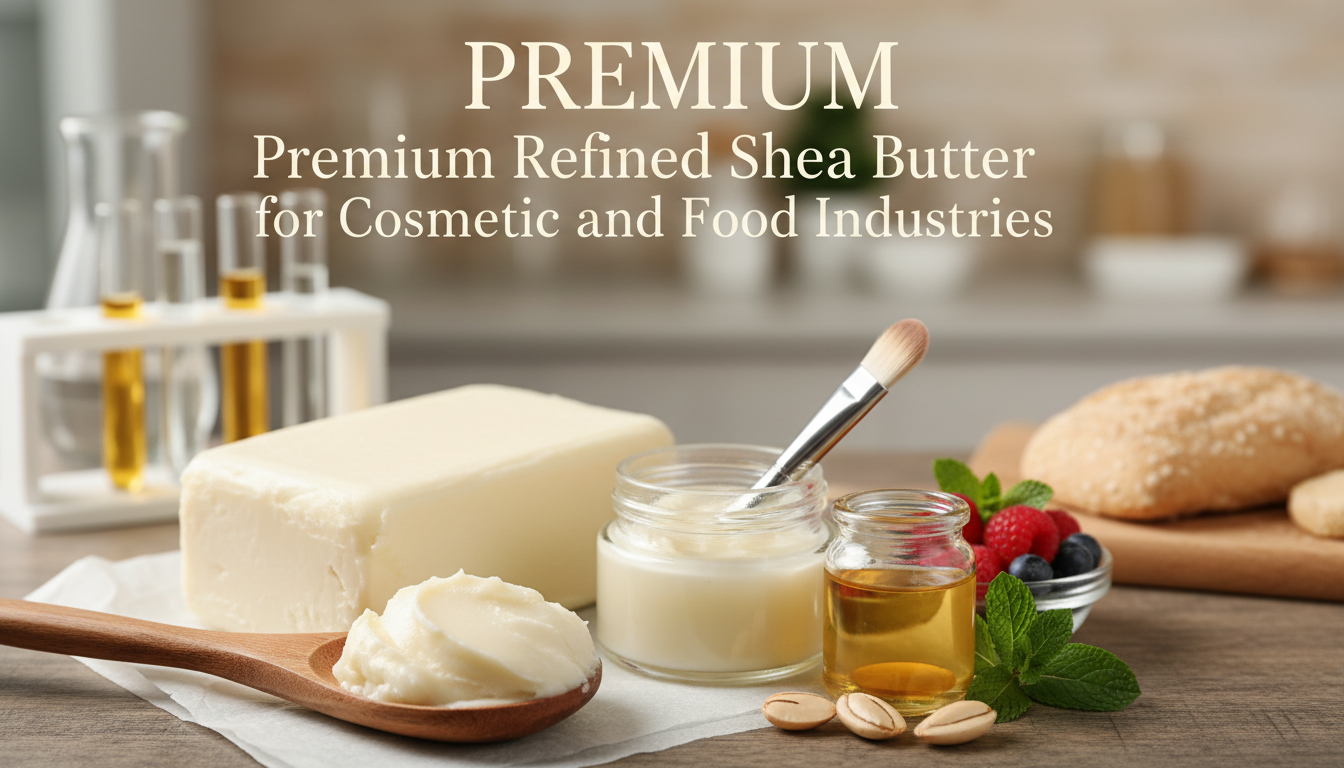
Shea butter, a natural fat extracted from the nut of the African shea tree (Vitellaria paradoxa), has garnered immense popularity in recent years. From skincare to haircare, and even in the food industry, its emollient, moisturizing, and anti-inflammatory properties are highly sought after. However, not all shea butter is created equal. The quality, purity, and safety of shea butter can vary dramatically depending on the processing methods employed and the adherence to international safety standards. Our refined shea butter stands apart because we prioritize rigorous quality control measures and adhere to stringent international guidelines at every stage of production, ensuring a safe, effective, and ethically sourced product for our customers. This article will delve into the key aspects of our refining process, highlighting how we meet and exceed international safety standards, guaranteeing a consistently high-quality shea butter that you can trust.
I. Sourcing Ethical and Sustainable Shea Nuts: The Foundation of Our Quality
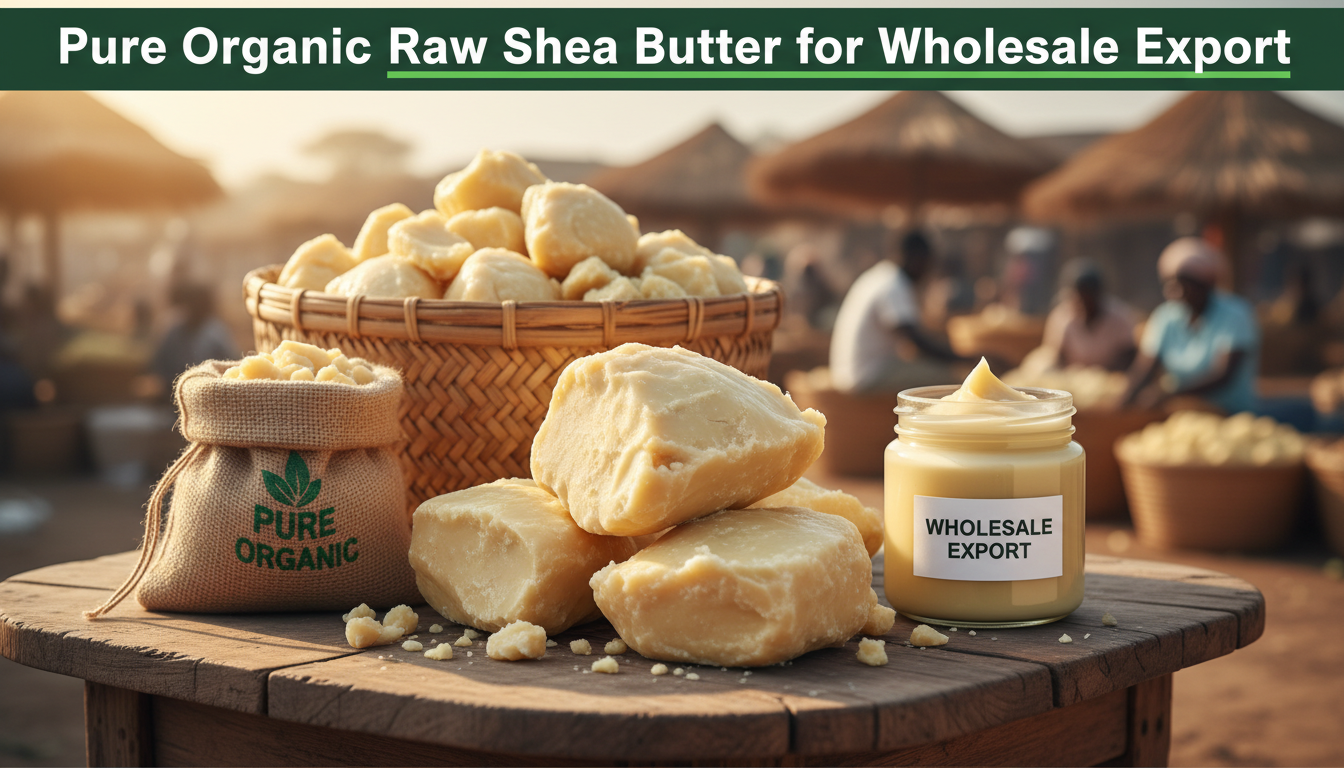
The journey to high-quality, safe shea butter begins long before the refining process itself. It starts with the responsible sourcing of the raw shea nuts. We are deeply committed to ethical and sustainable practices, working directly with women’s cooperatives in West Africa, the traditional home of the shea tree. This direct engagement allows us to control the initial stages of production and ensure fair wages and working conditions for the communities that rely on shea butter production.
-
Supporting Women’s Empowerment: We believe in empowering the women who are the custodians of the shea tree. By working directly with cooperatives, we ensure that they receive fair compensation for their labor, providing them with economic independence and opportunities for advancement. This approach also fosters sustainable harvesting practices, ensuring the long-term health and productivity of the shea trees.
-
Sustainable Harvesting Practices: Over-harvesting and unsustainable collection methods can damage shea trees and negatively impact the environment. We work closely with the cooperatives to promote sustainable harvesting practices that prioritize the health and longevity of the trees. This includes educating them on responsible nut collection, avoiding damage to the trees during harvesting, and implementing reforestation initiatives to ensure a continuous supply of shea nuts for future generations.
-
Quality Control at the Source: Even at the nut collection stage, we implement rigorous quality control measures. We train the women on how to identify and select only the highest quality nuts, free from damage, mold, or contamination. This early screening process minimizes the potential for impurities to enter the supply chain, contributing significantly to the overall quality and safety of the final product.
- Traceability and Transparency: We maintain a fully traceable supply chain, allowing us to track the origin of our shea nuts from the specific communities where they were harvested. This transparency is crucial for ensuring accountability and verifying that our sourcing practices align with our ethical and sustainability commitments. It also provides valuable information for future quality control improvements and allows us to respond quickly to any potential issues that may arise.
By prioritizing ethical sourcing and sustainable harvesting practices, we lay the foundation for a high-quality and safe shea butter. This commitment to responsible sourcing is not only ethically sound but also contributes significantly to the overall purity and integrity of our final product.
II. The Refining Process: A Multi-Stage Approach to Purity and Safety
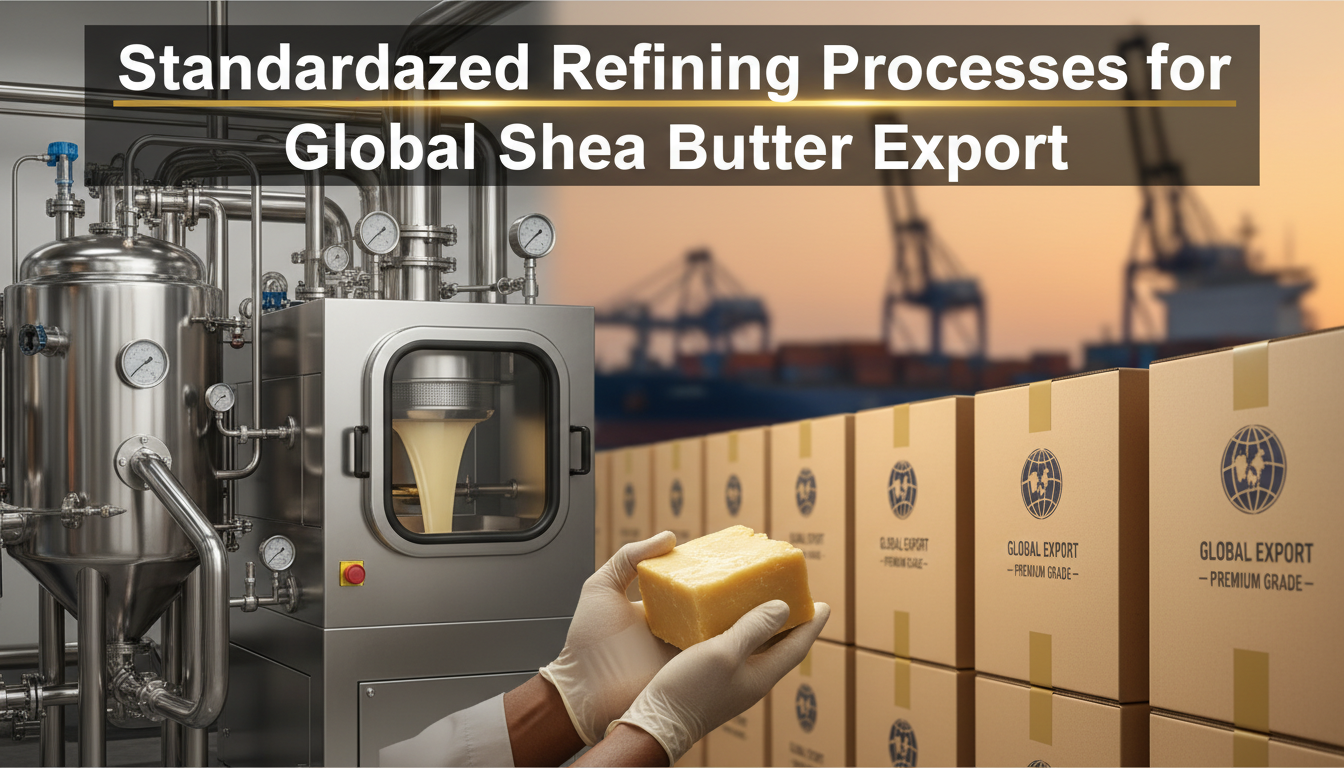
The refining process is critical for removing impurities, undesirable odors, and colors from raw shea butter, resulting in a product that is safe, stable, and aesthetically pleasing for a wide range of applications. Our refining process is a carefully controlled, multi-stage approach that adheres to strict international safety standards at every step. We prioritize physical refining methods over chemical refining, minimizing the use of potentially harmful solvents and ensuring a natural and safe product.
-
Pre-Cleaning and Filtration: The first step involves cleaning and filtering the raw shea butter to remove any physical impurities such as dirt, debris, and nut fragments. This process utilizes specialized filtration equipment to ensure that only clean, homogenous shea butter proceeds to the subsequent refining stages. This meticulous cleaning process is essential for removing potential sources of contamination and improving the overall clarity and quality of the shea butter.
-
Degumming: Degumming is the process of removing phospholipids, proteins, and other gums that can contribute to the instability and off-flavors of shea butter. We employ a physical degumming method that utilizes water and steam to hydrate and separate these impurities from the oil. This gentle process avoids the use of harsh chemicals and preserves the natural beneficial properties of the shea butter.
-
Bleaching: Bleaching is used to remove unwanted color pigments from the shea butter. We utilize natural bleaching agents such as activated clay, which effectively adsorbs the color pigments without altering the chemical composition of the shea butter. This method is preferred over chemical bleaching, which can leave behind potentially harmful residues. The activated clay is carefully selected for its purity and efficacy, ensuring that it effectively removes color while maintaining the integrity of the shea butter.
-
Deodorization: Deodorization is the process of removing volatile compounds that contribute to undesirable odors and flavors. We utilize steam distillation under vacuum to gently remove these compounds without altering the beneficial properties of the shea butter. This process effectively eliminates unwanted odors and flavors, resulting in a neutral-smelling and -tasting shea butter that is suitable for a wide range of applications. The steam distillation process is carefully controlled to ensure that the temperature and pressure are optimized for removing volatile compounds without damaging the shea butter.
- Filtration and Cooling: After deodorization, the shea butter is filtered again to remove any remaining impurities or residual bleaching agents. It is then carefully cooled and solidified, resulting in a smooth, creamy texture. This final filtration step ensures that the shea butter is free from any contaminants and ready for packaging.
Throughout the refining process, we continuously monitor and control key parameters such as temperature, pressure, and residence time to ensure that the shea butter meets our stringent quality standards. We also conduct regular laboratory testing to verify the purity and safety of the product.
III. Rigorous Quality Control and Testing: Ensuring Compliance with International Standards
Our commitment to safety and quality extends beyond the refining process to encompass rigorous quality control and testing procedures at every stage of production. We adhere to established international standards, including those set by the American Oil Chemists’ Society (AOCS), the European Pharmacopoeia (Ph. Eur.), and the Codex Alimentarius Commission, to ensure that our shea butter consistently meets the highest standards for purity, safety, and quality.
-
Raw Material Testing: Before any shea nuts are processed, they undergo thorough testing to ensure that they meet our stringent quality standards. This testing includes assessing moisture content, free fatty acid content, and the presence of any contaminants such as aflatoxins or pesticides. Only shea nuts that meet our rigorous standards are accepted for processing.
-
In-Process Testing: Throughout the refining process, we conduct regular in-process testing to monitor key parameters and ensure that the process is running optimally. This testing includes monitoring temperature, pressure, pH, and the levels of impurities such as free fatty acids and moisture. Any deviations from our established standards are immediately addressed to ensure that the final product meets our quality requirements.
-
Finished Product Testing: Once the refining process is complete, the finished shea butter undergoes comprehensive testing to verify its purity, safety, and quality. This testing includes:
- Fatty Acid Profile Analysis: We analyze the fatty acid composition of the shea butter to ensure that it meets our specifications and is consistent with the expected profile for shea butter. This analysis is crucial for verifying the authenticity of the product and ensuring that it has the desired properties for various applications.
- Peroxide Value (PV) and Anisidine Value (AV): These tests measure the levels of oxidation in the shea butter, indicating its freshness and stability. Low PV and AV values are essential for ensuring that the shea butter has a long shelf life and will not develop rancidity.
- Iodine Value (IV): The iodine value indicates the degree of unsaturation in the fatty acids of the shea butter. This parameter is important for assessing the consistency and texture of the shea butter.
- Saponification Value (SV): The saponification value measures the amount of alkali required to saponify (convert into soap) a specific quantity of shea butter. This parameter is useful for determining the suitability of the shea butter for soap making and other applications.
- Unsaponifiable Matter: This test measures the amount of non-saponifiable components in the shea butter, such as triterpene alcohols and hydrocarbons. Shea butter is known for its high content of unsaponifiable matter, which contributes to its beneficial properties for skincare and haircare.
- Heavy Metal Analysis: We test for the presence of heavy metals such as lead, mercury, and arsenic to ensure that the shea butter is safe for human use. We adhere to strict limits for heavy metal content, as defined by international regulations.
- Microbiological Testing: We conduct microbiological testing to ensure that the shea butter is free from harmful bacteria, yeast, and mold. This testing is essential for ensuring that the shea butter is safe for use in food and cosmetic applications.
- Aflatoxin Testing: Aflatoxins are toxic compounds produced by certain molds that can contaminate agricultural products, including shea nuts. We test for the presence of aflatoxins to ensure that our shea butter is safe for human consumption and cosmetic use.
- Third-Party Certification: To further demonstrate our commitment to quality and safety, we pursue certifications from reputable third-party organizations such as ISO (International Organization for Standardization) and organic certification bodies. These certifications provide independent verification of our adherence to international standards and best practices.
By implementing rigorous quality control and testing procedures at every stage of production, we ensure that our refined shea butter consistently meets the highest standards for purity, safety, and quality. Our commitment to international standards provides our customers with the assurance that they are receiving a safe, effective, and ethically sourced product.
IV. Packaging and Storage: Maintaining Purity and Integrity
The final step in ensuring the safety and quality of our refined shea butter is proper packaging and storage. We use food-grade, airtight containers that are specifically designed to protect the shea butter from contamination, moisture, and light. These containers are carefully selected to ensure that they do not react with the shea butter and do not leach any harmful chemicals into the product.
-
Food-Grade Packaging: We only use packaging materials that are certified as food-grade, meaning that they are safe for contact with food products. This ensures that the packaging materials do not contaminate the shea butter with harmful chemicals or alter its taste or odor.
-
Airtight Containers: Our containers are designed to be airtight, preventing moisture and air from entering and causing oxidation or spoilage. This helps to maintain the freshness and stability of the shea butter for an extended period.
-
Light-Protective Packaging: Shea butter is sensitive to light, which can cause it to degrade over time. We use packaging materials that are opaque or tinted to protect the shea butter from light exposure.
-
Proper Storage Conditions: We store our refined shea butter in a cool, dry, and well-ventilated environment to prevent spoilage and maintain its quality. The storage area is regularly monitored to ensure that temperature and humidity levels are within acceptable ranges.
- Traceability: We maintain a strict system of traceability for our packaging materials, allowing us to track the origin and composition of each container. This ensures that we can quickly identify and address any potential issues with the packaging materials.
By using appropriate packaging and storage methods, we ensure that our refined shea butter remains pure, safe, and stable throughout its shelf life. This commitment to quality extends from the sourcing of the raw materials to the final packaging and storage of the finished product.
In conclusion, our refined shea butter stands apart because we prioritize quality, safety, and ethical sourcing at every stage of production. From working directly with women’s cooperatives in West Africa to implementing rigorous quality control measures and adhering to stringent international standards, we are committed to providing our customers with a safe, effective, and ethically sourced product that they can trust. Our multi-stage refining process, combined with comprehensive testing and careful packaging and storage, ensures that our shea butter consistently meets the highest standards for purity, safety, and quality. We believe that our commitment to excellence is what sets us apart and makes our refined shea butter the preferred choice for those who demand the best.



Comments are closed