
In recent years, the global demand for organic food has surged, and Nigeria has experienced a significant rise in its role as a key player in this burgeoning market. As consumers increasingly seek sustainably sourced and healthy food options, Nigerian farmers and exporters have stepped up to elevate the standards of their agricultural practices. This article explores the landscape of certified organic food exporters in Nigeria, their contributions to the economy, and the benefits of organic farming.
The Growth of Organic Farming in Nigeria
Nigeria is endowed with rich agricultural resources, including diverse crops and favorable climatic conditions. However, the organic agriculture sector has historically been underdeveloped compared to many Western nations. Nevertheless, a shift in consumer behavior—both locally and internationally—has led to a renaissance in the organic farming sector.
The organic farming movement in Nigeria began gaining traction in the early 2000s as awareness of the health and environmental benefits of organic produce increased. Farmers began adopting organic farming practices, emphasizing the absence of chemical fertilizers and pesticides. According to the Nigerian Organic Agriculture Network (NOAN), organic farming is gaining popularity among farmers, with a notable increase in the availability of organic certifications.
The government and various NGOs have also played a significant role in promoting organic farming practices. Training programs, workshops, and financial incentives have empowered local farmers to embrace sustainable agricultural methods. Certified organic producers leverage these resources to cultivate crops that meet international standards, making them eligible for export.
Certification and International Standards
The certification process for organic farming ensures that producers adhere to specific agricultural standards that are recognized globally. In Nigeria, farmers looking to export organic produce must undergo a rigorous certification process from accredited bodies. The Nigeria National Organic Agric Policy (NNOAP) outlines the framework for organic farming in the country, with bodies like the International Federation of Organic Agriculture Movements (IFOAM) providing guidelines for international certifications.
Organic certification in Nigeria involves several steps:
-
Application: Farmers apply to accredited certifying organizations, providing detailed information about their farming practices and production methods.
-
Inspection: Certifying bodies conduct on-site inspections to assess farming practices, input use, and record-keeping. Inspectors ensure that farmers comply with organic standards.
-
Documentation: Farmers must maintain extensive records of their farming practices, including seed sourcing, pest control, crop rotation, and soil management.
-
Ongoing Compliance: Once certified, farmers must undergo annual inspections to renew their organic status, ensuring that they continue to adhere to organic farming protocols.
The importance of certification cannot be overstated; it serves as a quality assurance mechanism, giving consumers and international buyers confidence in the authenticity of organic Nigerian produce.
Economic Impact of Organic Food Export
The export of certified organic food has transformed Nigeria’s agricultural landscape, bringing numerous economic benefits. According to the Federal Ministry of Agriculture and Rural Development, the organic food market is poised for growth, generating income opportunities for farmers and contributing to rural development.
-
Increased Income for Farmers: Certified organic produce often fetches higher market prices compared to conventional produce. With the growing demand for organic products in Europe, North America, and Asia, Nigerian farmers are positioned to tap into lucrative international markets.
-
Job Creation: The organic agricultural sector has resulted in the creation of numerous job opportunities, encompassing farming, processing, packaging, and exporting. This has led to economic empowerment for many communities, particularly women, who make up a significant proportion of the agricultural workforce.
-
Diversification of Exports: Traditionally reliant on oil exports, Nigeria’s economy has diversified with the inclusion of organic agricultural products. Key organic exports include cocoa, cashew nuts, palm oil, and a variety of fruits and vegetables. This diversification is crucial for economic resilience and reducing dependency on oil revenues.
-
Boosting Local Economies: Organic farming practices promote the involvement of local communities. Farmers often engage local labor and source materials locally, leading to increased economic activity in rural areas. The ripple effect extends to businesses like transportation, packaging, and marketing.
Key Players and Success Stories
Numerous organizations and businesses have emerged as leading certified organic food exporters in Nigeria, showcasing the country’s agricultural potential. Among them are:
1. Organic Nigeria: Founded in 2010, Organic Nigeria is dedicated to promoting organic farming across the country. The organization collaborates with smallholder farmers to enhance their knowledge of organic practices and connects them with international buyers. Their efforts have positioned them as a leading exporter of organic produce, such as vegetables and grains.
2. Eco-Connect: This company specializes in exporting organic spices and herbs like turmeric and ginger. Eco-Connect has made significant strides in ensuring that local farmers adopt best practices while maintaining ecological integrity. They offer capacity-building programs for farmers and facilitate access to international markets.
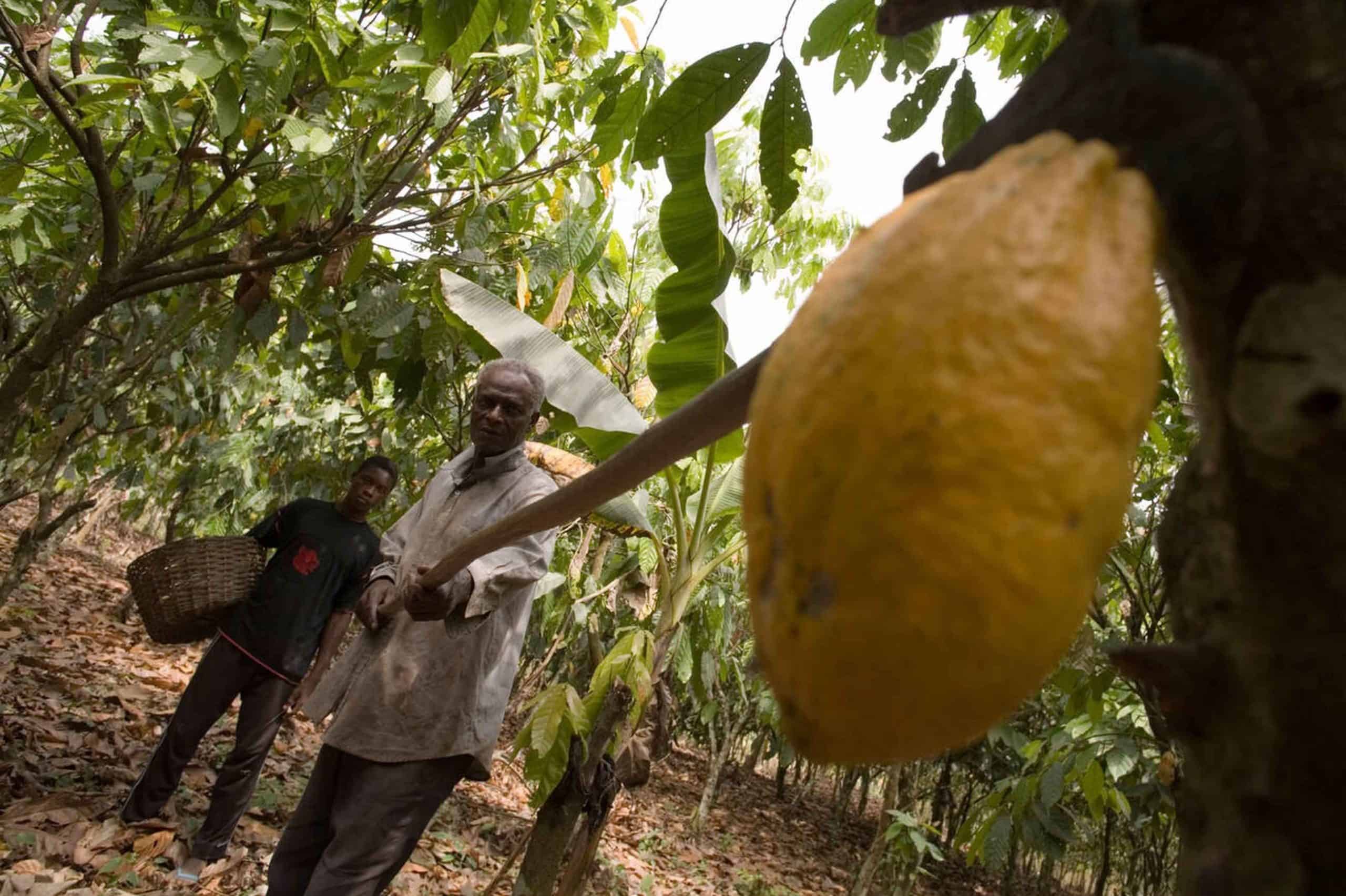
3. Rainforest Alliance: A global conservation organization, Rainforest Alliance works with various Nigerian farmers to implement sustainable farming practices. Their partnerships have resulted in the successful export of organic cocoa, which has gained popularity in Europe and the Americas.
Each of these organizations embodies the commitment to quality, sustainability, and community empowerment.
Challenges Faced by Organic Food Exporters
While the organic food export sector in Nigeria holds immense potential, there are challenges that exporters must navigate:
-
Limited Access to Certification: Many farmers lack the resources and knowledge required to obtain organic certification. The costs associated with the certification process can be prohibitive, particularly for small-scale farmers.
-
Market Awareness and Education: Despite the growing demand for organic produce, consumer awareness in some markets remains low. Educating consumers about the benefits of organic products is essential for expanding market opportunities.
-
Infrastructural Challenges: Inadequate infrastructure presents hurdles in storage, transportation, and distribution. Organic produce requires specific handling and storage conditions to maintain quality, and improvements in logistics are necessary to meet international standards.
-
Pest Management and Crop Loss: Without the use of synthetic pesticides, organic farmers face challenges in managing pests and diseases. Developing effective organic pest management strategies is essential for reducing crop loss and ensuring quality produce.
The Future of Organic Food Export in Nigeria
The future of certified organic food export in Nigeria looks promising, driven by an increasingly health-conscious global market. As more consumers recognize the importance of sustainable food production, the demand for organic products is expected to grow significantly.
To capitalize on this opportunity, stakeholders must focus on:
-
Enhancing Certification Processes: Streamlining certification processes and providing financial support can encourage more farmers to adopt organic practices.
-
Building Access to Global Markets: Creating partnerships between farmers, exporters, and international buyers can facilitate better market access, ensuring that Nigerian organic products find their way to consumers worldwide.
-
Investing in Infrastructure: Improved storage, transportation, and logistics will enable farmers to maintain the quality of organic produce, meeting international standards and consumer expectations.
-
Educating and Creating Awareness: Raising consumer awareness about the value of organic products can boost demand and market acceptance, benefiting both the farmers and the economy.
By leveraging its agricultural strengths and promoting sustainable practices, Nigeria stands poised to become a leading exporter of certified organic food, reinforcing its position in the global market and contributing to the welfare of its farmers and communities.




Comments are closed