
Efficient Shea Nut Supply Chain Management: How TT Integrated Services is Transforming the Shea Butter Industry
The global demand for shea butter, a versatile and naturally derived fat extracted from shea nuts, is booming. Fuelled by the cosmetic, food, and pharmaceutical industries, this demand places increasing pressure on the shea nut supply chain, often characterized by fragmentation, informal structures, and significant inefficiencies. TT Integrated Services (TTIS), a company focused on providing comprehensive solutions for agricultural value chains, is stepping up to address these challenges. By implementing innovative strategies and leveraging technological advancements, TTIS is pioneering a more efficient, sustainable, and equitable shea nut supply chain, benefiting all stakeholders from the rural women collectors at the base to the global consumers at the apex.
Understanding the Shea Nut Supply Chain Landscape:
Before delving into TTIS’s specific contributions, it’s crucial to understand the complex ecosystem that constitutes the shea nut supply chain. This chain typically involves the following key players:
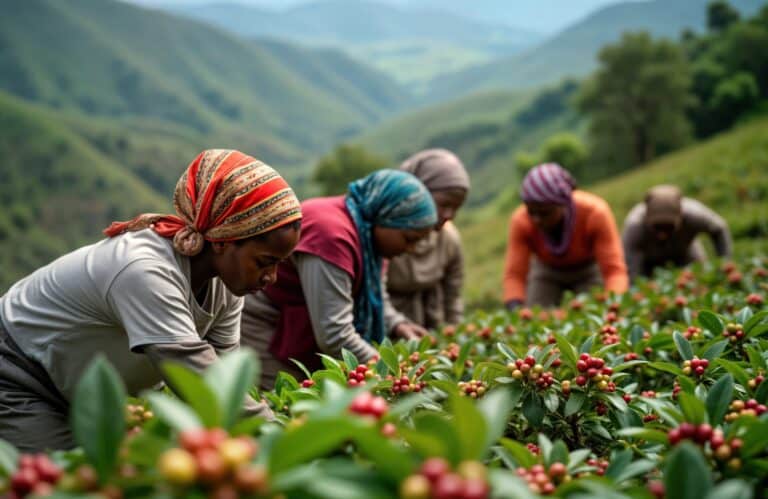
- Rural Women Collectors: Primarily, it is women in rural communities across West and Central Africa who collect shea nuts. This activity is often their primary source of income, contributing significantly to household livelihoods and local economies. They typically collect fallen nuts from wild trees, dry them, and often sell them to intermediaries.
- Local Aggregators/Intermediaries: These actors play a crucial role in consolidating small volumes of shea nuts from numerous collectors. They often operate at the village level, providing a convenient market for the women and facilitating the flow of nuts to larger trading hubs. However, these aggregators can also be a source of price manipulation and exploitation, due to information asymmetry and limited competition.
- Processors: Processors transform the raw shea nuts into shea butter. Processing can range from traditional, manual methods to more mechanized and sophisticated industrial techniques. Quality and efficiency vary considerably depending on the processing method employed.
- Exporters/Traders: These entities are responsible for aggregating larger volumes of shea butter and exporting them to international markets. They often have established relationships with buyers in the cosmetic, food, and pharmaceutical industries.
- Manufacturers/Brands: Finally, shea butter is used by manufacturers and brands in the production of a wide range of products, from lotions and creams to chocolates and baked goods.
The traditional shea nut supply chain faces numerous challenges:
- Seasonality and Availability: Shea nuts are only available during a limited harvesting season, which can significantly impact supply stability. Climate change further exacerbates this issue, leading to unpredictable yields.
- Quality Control: Variations in nut quality, resulting from improper drying, storage, or handling, can affect the final shea butter’s quality and market value. Lack of standardized quality control measures hinders consistent product quality.
- Price Volatility: Prices fluctuate significantly due to factors like weather patterns, global demand, and speculative trading. This volatility makes it difficult for collectors and processors to plan and invest.
- Limited Access to Finance: Collectors and small-scale processors often lack access to credit and other financial services, hindering their ability to invest in improved technologies and practices.
- Environmental Concerns: Unsustainable harvesting practices, such as cutting down shea trees for firewood, can negatively impact the environment and threaten the long-term sustainability of the shea nut resource.
- Lack of Traceability: Difficulty in tracing the origin of shea nuts and shea butter limits transparency and accountability, making it challenging to ensure fair trade practices and prevent adulteration.
- Gender Inequality: Although women are the primary collectors, they often have limited access to markets, finance, and decision-making power within the value chain.
TT Integrated Services: A Holistic Approach to Supply Chain Efficiency:
TT Integrated Services is tackling these challenges head-on by implementing a comprehensive, integrated approach that focuses on several key areas:
-
Empowering Women Collectors through Fair Trade Practices: TTIS recognizes that the foundation of a sustainable shea nut supply chain lies in empowering the women who collect the nuts. The company implements fair trade practices, ensuring that collectors receive fair prices for their nuts, above prevailing market rates. This is achieved through transparent pricing mechanisms and direct engagement with the women, cutting out unnecessary intermediaries. TTIS also invests in training programs to equip collectors with the knowledge and skills they need to improve nut quality, adopt sustainable harvesting practices, and manage their finances effectively. These training programs cover topics such as proper drying techniques, storage methods, and business management skills.
-
Promoting Sustainable Harvesting Practices: Recognizing the importance of environmental sustainability, TTIS actively promotes responsible harvesting practices. The company works with communities to implement sustainable harvesting techniques that protect shea trees and ensure the long-term health of the shea parklands. This includes promoting the preservation of existing shea trees, discouraging deforestation, and encouraging the planting of new trees. TTIS also supports initiatives that promote the diversification of income sources for collectors, reducing their reliance on shea nuts alone and mitigating the risk of over-exploitation of the resource.
-
Improving Nut Quality through Training and Technology: To ensure consistent quality and meet the stringent requirements of international markets, TTIS invests in training programs for collectors and processors on best practices for handling and processing shea nuts. This includes training on proper drying techniques, storage methods, and quality control procedures. The company also provides access to improved drying and storage facilities, reducing post-harvest losses and improving nut quality. Furthermore, TTIS utilizes technology to monitor and track nut quality throughout the supply chain, ensuring that only high-quality nuts are processed into shea butter. This includes using mobile apps to collect data on nut quality at the collection point and implementing traceability systems to track the origin of the nuts.
-
Investing in Processing Infrastructure: TTIS recognizes that efficient processing is crucial for maximizing the value of shea nuts. The company invests in modern processing facilities that utilize efficient and environmentally friendly technologies. These facilities are designed to minimize waste, reduce energy consumption, and ensure the production of high-quality shea butter. TTIS also works with local processors to upgrade their existing facilities and adopt more efficient processing methods. This includes providing access to financing, technology, and training to help them improve their operations and meet international quality standards.
-
Leveraging Technology for Traceability and Transparency: TTIS utilizes advanced technology to create a transparent and traceable supply chain. This includes implementing blockchain-based systems that track the movement of shea nuts from the collection point to the final product. This allows consumers to trace the origin of the shea butter they are purchasing and ensures that it has been produced ethically and sustainably. The company also uses mobile apps to collect data on nut yields, prices, and harvesting practices, providing valuable insights into the performance of the supply chain. This data is used to identify areas for improvement and to make informed decisions about investments and interventions.
-
Building Strong Partnerships with Stakeholders: TTIS recognizes that collaboration is essential for creating a sustainable and efficient shea nut supply chain. The company actively builds strong partnerships with all stakeholders, including collectors, processors, exporters, and government agencies. These partnerships are based on mutual trust and respect, and they are designed to create shared value for all parties involved. TTIS works with government agencies to promote policies that support the shea nut industry and to ensure that it is regulated effectively. The company also works with NGOs and other organizations to implement social and environmental programs that benefit the communities involved in the shea nut supply chain.
- Providing Access to Finance and Market Information: Lack of access to finance and market information is a major constraint for collectors and small-scale processors. TTIS addresses this challenge by providing access to credit, insurance, and other financial services. The company also provides market information on prices, demand, and quality requirements, enabling collectors and processors to make informed decisions about their businesses. This includes providing access to mobile banking services, which allow collectors to receive payments securely and conveniently. TTIS also works with financial institutions to develop loan products that are specifically tailored to the needs of the shea nut industry.
Impact and Benefits of TTIS’s Approach:
The holistic approach adopted by TT Integrated Services yields significant benefits for all stakeholders in the shea nut supply chain:
- Increased Income for Women Collectors: By implementing fair trade practices and providing training on improved harvesting techniques, TTIS helps women collectors increase their incomes and improve their livelihoods.
- Improved Quality of Shea Butter: By investing in training and technology, TTIS ensures that shea butter is produced to the highest quality standards, meeting the requirements of international markets.
- Sustainable Shea Nut Production: By promoting sustainable harvesting practices, TTIS helps to protect shea trees and ensure the long-term sustainability of the shea nut resource.
- Enhanced Traceability and Transparency: By leveraging technology, TTIS creates a transparent and traceable supply chain, enabling consumers to track the origin of shea butter and ensure that it has been produced ethically and sustainably.
- Reduced Environmental Impact: By promoting efficient processing methods and sustainable harvesting practices, TTIS helps to reduce the environmental impact of shea nut production.
- Strengthened Local Economies: By supporting local collectors and processors, TTIS helps to strengthen local economies and create jobs in rural communities.
- Increased Market Access for Shea Butter: By ensuring the quality and traceability of shea butter, TTIS helps to increase its access to international markets and expand its reach to consumers around the world.
TT Integrated Services is not simply a business; it is a catalyst for positive change in the shea nut industry. By focusing on empowering women, promoting sustainability, and leveraging technology, TTIS is creating a more efficient, equitable, and environmentally responsible shea nut supply chain that benefits all stakeholders. This approach is transforming the lives of women collectors, improving the quality of shea butter, and ensuring the long-term sustainability of the shea nut resource. As the demand for shea butter continues to grow, TTIS’s innovative approach will become increasingly important in ensuring that the shea nut supply chain can meet the needs of both consumers and the communities that depend on it. TTIS serves as a model for how businesses can create shared value by addressing social and environmental challenges while achieving economic success.
Related Posts


 Supply Chain Mastery African Export Logistics


Comments are closed