
Exporting Refined and Crude Palm Kernel Oil Globally
Palm kernel oil (PKO), derived from the kernel of the oil palm fruit (Elaeis guineensis), is a globally traded commodity with diverse applications spanning the food, oleochemical, and biofuel industries. Its distinct fatty acid profile, characterized by a high concentration of lauric acid, sets it apart from palm oil and other vegetable oils, driving specific demand in particular sectors. This article delves into the complexities of exporting both crude and refined palm kernel oil globally, examining the production process, global market dynamics, regulatory landscape, sustainability concerns, challenges, and opportunities associated with this trade.
Production and Processing: From Kernel to Oil
The journey of PKO from the oil palm plantation to the global market involves several key stages:
-
Harvesting and Kernel Extraction: The process begins with harvesting the oil palm fruit bunches (FFB). After harvesting, the fruit is steamed to loosen it from the bunch. The fruit undergoes digestion to separate the pulp (mesocarp) from the nut. These nuts are then cracked to release the kernels, which contain the palm kernel oil. Efficient kernel extraction is crucial for maximizing oil yield and minimizing waste.
-
Crude Palm Kernel Oil (CPKO) Production: CPKO is extracted from the kernels through two primary methods: mechanical extraction and solvent extraction.
-
Mechanical Extraction (Expelling): This method involves using screw presses (expellers) to squeeze the oil out of the kernels. The process is relatively simple and requires less investment than solvent extraction. However, it’s less efficient, leaving a higher oil residue in the kernel cake (also known as palm kernel expeller or PKE), which is used as animal feed.
- Solvent Extraction: This method employs solvents, typically hexane, to dissolve the oil from the kernels. It achieves higher oil yields than mechanical extraction, minimizing oil loss in the kernel cake. However, it requires more sophisticated equipment, safety measures, and careful solvent recovery processes to prevent environmental pollution.
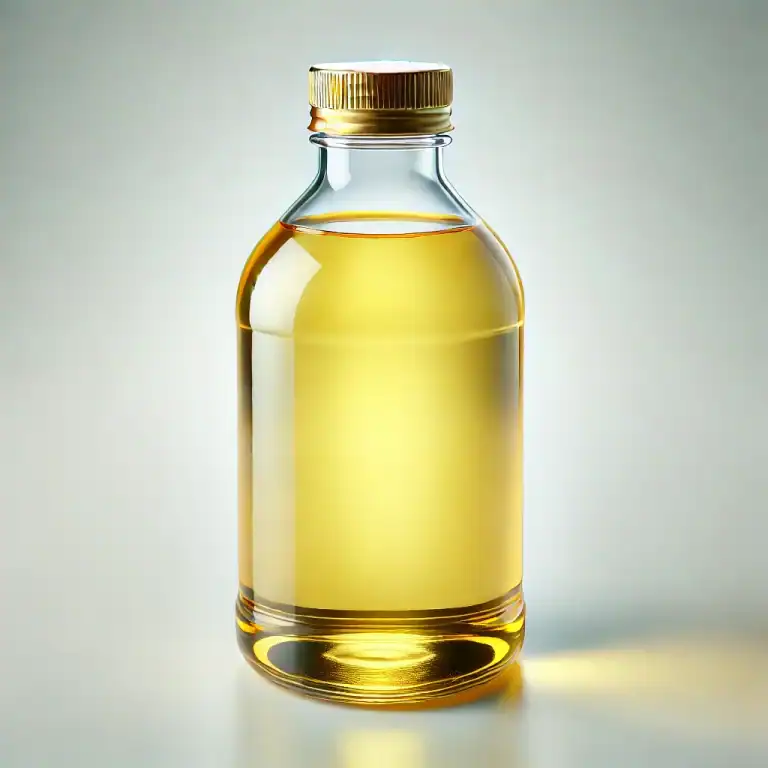
The CPKO produced through either method is a brownish-yellow liquid with a characteristic odor. It contains impurities such as moisture, free fatty acids (FFA), phosphatides, and gums.
-
-
Refining Palm Kernel Oil (RPKO): CPKO undergoes a refining process to remove impurities, improve its color, odor, and stability, and make it suitable for various applications, particularly in the food industry. The refining process typically involves several steps:
- Degumming: Removal of phosphatides and gums, which can cause problems during storage and processing.
- Neutralization: Removal of free fatty acids (FFA) by reacting them with an alkali, typically sodium hydroxide.
- Bleaching: Removal of pigments and other color-causing substances using bleaching earth (activated clay).
- Deodorization: Removal of volatile compounds that contribute to odor and taste, usually through steam distillation under vacuum.
The resulting RPKO is a clear, colorless or slightly yellow liquid with a bland taste and odor. It is considered food-grade and meets the required quality standards for various applications.
- Fractionation: RPKO can be further processed through fractionation to separate it into different fractions based on their melting points. This process typically involves cooling the oil and crystallizing out the higher melting point fractions, such as palm kernel stearin. The remaining liquid fraction is called palm kernel olein. Fractionation allows for producing specialized fats with specific properties for different applications.
Global Market Dynamics: Supply, Demand, and Trade Flows
The global PKO market is influenced by a complex interplay of factors, including:
-
Production Regions: Southeast Asia, primarily Indonesia and Malaysia, dominates global PKO production. These countries account for the vast majority of palm oil and palm kernel oil exports. Africa, particularly Nigeria and other West African nations, also produces PKO, but on a smaller scale.
-
Demand Drivers: The primary drivers of PKO demand include:
- Food Industry: RPKO is used in various food applications, including confectionery fats, margarine, shortenings, and bakery products. Its high lauric acid content contributes to its melting properties and texture, making it suitable for specific applications.
- Oleochemical Industry: Lauric acid is a key ingredient in the production of soaps, detergents, cosmetics, and other personal care products. PKO is a major source of lauric acid, making it an important feedstock for the oleochemical industry.
- Biofuel Industry: PKO can be used as a feedstock for biodiesel production. While not as widely used as other vegetable oils for biofuel, it represents a potential market for PKO.
- Animal Feed Industry: Palm Kernel Expeller (PKE) is a valuable animal feed ingredient, particularly for ruminants. The demand for PKE influences the overall economics of PKO production.
-
Major Importing Regions: Major importing regions for PKO include:
- Europe: Europe is a significant importer of PKO for both food and oleochemical applications.
- China: China’s growing economy and increasing demand for food and consumer goods have made it a major importer of PKO.
- India: India is a large importer of vegetable oils, including PKO, to meet its domestic demand.
- United States: The United States imports PKO primarily for the oleochemical industry.
-
Price Volatility: PKO prices are subject to fluctuations influenced by factors such as:
- Palm Oil Production: PKO production is closely linked to palm oil production, as both are derived from the same fruit. Fluctuations in palm oil production can impact PKO availability and prices.
- Weather Conditions: Droughts, floods, and other extreme weather events can affect oil palm yields and impact PKO production.
- Global Economic Conditions: Economic recessions and other macroeconomic factors can influence demand for PKO and its derivatives, impacting prices.
- Currency Exchange Rates: Exchange rate fluctuations between producing and importing countries can affect the competitiveness of PKO exports.
- Competitive Landscape: PKO competes with other vegetable oils and lauric acid sources, such as coconut oil. Price competitiveness and availability influence market share. The availability and pricing of synthetic lauric acid also play a role.
Regulatory Landscape: Standards, Tariffs, and Trade Agreements
The global trade of PKO is subject to various regulations, including:
-
Quality Standards: International standards, such as those set by the Codex Alimentarius Commission, define the quality parameters for PKO, including moisture content, FFA levels, iodine value, and other specifications. Exporting countries must ensure that their PKO meets these standards to gain access to international markets.
-
Food Safety Regulations: Importing countries have stringent food safety regulations regarding contaminants, pesticide residues, and other potential hazards in food products. RPKO used in food applications must comply with these regulations.
-
Tariffs and Trade Barriers: Tariffs and other trade barriers can impact the competitiveness of PKO exports. Trade agreements between countries often include provisions for reduced tariffs or preferential access for PKO.
-
Sustainability Certification: Certification schemes, such as the Roundtable on Sustainable Palm Oil (RSPO), promote sustainable palm oil production practices. Demand for certified sustainable PKO is increasing, particularly in Europe.
- Environmental Regulations: Environmental regulations in producing countries aim to minimize the environmental impact of palm oil and PKO production, including deforestation, greenhouse gas emissions, and water pollution.
Sustainability Concerns and the Push for Responsible Sourcing
The palm oil industry, including PKO production, has faced significant criticism due to its association with deforestation, habitat loss, greenhouse gas emissions, and social issues. These concerns have led to increased pressure for sustainable palm oil production and responsible sourcing.
-
Deforestation and Habitat Loss: The expansion of oil palm plantations has been a major driver of deforestation, particularly in Southeast Asia. This deforestation leads to habitat loss for endangered species, such as orangutans, and contributes to greenhouse gas emissions.
-
Greenhouse Gas Emissions: Deforestation and land conversion release significant amounts of carbon dioxide into the atmosphere. Additionally, the production and transportation of PKO contribute to greenhouse gas emissions.
-
Social Issues: Palm oil production can be associated with social issues, such as land conflicts with local communities, exploitation of workers, and lack of transparency in the supply chain.
-
The Role of RSPO: The Roundtable on sustainable palm oil (RSPO) is a multi-stakeholder initiative that promotes the production and use of sustainable palm oil. RSPO certification requires adherence to a set of principles and criteria that address environmental and social concerns.
-
Demand for Certified Sustainable Palm Oil (CSPO): Demand for CSPO is increasing, driven by consumer awareness, retailer commitments, and government regulations. Companies that use PKO are increasingly expected to source it from sustainable sources.
- Traceability and Supply Chain Transparency: Traceability systems are becoming increasingly important to ensure that PKO can be traced back to its origin and that it is produced sustainably. Transparency in the supply chain is crucial for building consumer trust and addressing sustainability concerns.
Challenges and Opportunities in the Global PKO Market
The global PKO market faces several challenges and opportunities:
-
Challenges:
- Sustainability Concerns: Addressing sustainability concerns and promoting responsible sourcing remains a major challenge for the PKO industry.
- Price Volatility: Price fluctuations can make it difficult for producers and buyers to manage their risks.
- Competition: PKO faces competition from other vegetable oils and lauric acid sources.
- Trade Barriers: Tariffs and other trade barriers can restrict access to certain markets.
- Geopolitical Risks: Political instability and trade disputes can disrupt PKO trade flows.
- Negative Perceptions: Negative consumer perceptions regarding the environmental and social impact of palm oil can affect demand for PKO.
-
Opportunities:
- Growing Demand for Lauric Acid: The increasing demand for lauric acid in the oleochemical industry presents an opportunity for PKO producers.
- Expansion in Emerging Markets: Growing economies in Asia and Africa offer potential for increased PKO consumption.
- Development of New Applications: Research and development can lead to new applications for PKO in various industries.
- Increased Demand for CSPO: The growing demand for CSPO creates opportunities for producers to differentiate their products and gain access to premium markets.
- Technological Advancements: Innovations in processing and refining technologies can improve efficiency and reduce environmental impact.
Strategies for Success in the Global PKO Export Market
To succeed in the global PKO export market, companies need to adopt strategies that address the challenges and capitalize on the opportunities:
- Invest in Sustainable Production Practices: Implementing sustainable production practices, obtaining RSPO certification, and promoting traceability are crucial for meeting the growing demand for CSPO.
- Improve Efficiency and Reduce Costs: Optimizing production processes, reducing waste, and improving logistics can enhance competitiveness.
- Diversify Markets: Expanding into new markets can reduce reliance on specific regions and mitigate risks.
- Build Strong Relationships with Customers: Developing long-term relationships with buyers based on trust and reliability is essential.
- Invest in Research and Development: Supporting research and development to develop new applications for PKO and improve processing technologies can enhance competitiveness.
- Promote Transparency and Communication: Communicating openly and transparently about sustainability efforts can build trust with consumers and stakeholders.
- Adapt to Changing Regulations: Staying informed about changes in regulations and adapting business practices accordingly is crucial for maintaining market access.
- Manage Price Risks: Using hedging strategies and other financial instruments can help mitigate price volatility risks.
By addressing sustainability concerns, improving efficiency, diversifying markets, and building strong relationships with customers, PKO exporters can navigate the challenges and capitalize on the opportunities in the global market. The future of the PKO industry depends on its ability to produce and trade PKO in a responsible and sustainable manner.
Related Posts


 Exporting Palm Kernel Oil Nigeria’s Versatile Product


Comments are closed