
Sourcing High-Yield Raw Cashew Nuts from Nigerian Farms: A Comprehensive Guide
Nigeria, with its fertile lands and favorable climate, has emerged as a significant player in the global cashew market. While often overshadowed by giants like Côte d’Ivoire and India, Nigeria boasts immense potential for producing high-yield raw cashew nuts (RCN). This potential, however, remains largely untapped, presenting both opportunities and challenges for businesses seeking to source quality cashews from the region. This comprehensive guide aims to provide a detailed understanding of sourcing high-yield RCN from Nigerian farms, covering everything from understanding the Nigerian cashew landscape to implementing best practices for ethical and sustainable sourcing.
I. Understanding the Nigerian Cashew Landscape:
Before delving into sourcing strategies, it is crucial to grasp the nuances of the Nigerian cashew industry. This involves understanding the geographical distribution of cashew farms, the prevailing farming practices, the value chain structure, and the key challenges and opportunities.
- Geographical Distribution: Cashew cultivation in Nigeria is predominantly concentrated in the central and south-western regions. Key producing states include Kogi, Oyo, Kwara, Niger, Enugu, and Ondo. Each region possesses unique soil characteristics and climatic conditions that can influence the quality and yield of cashews. For instance, cashews grown in the drier regions might exhibit a higher nut-to-shell ratio compared to those grown in wetter areas. Understanding these regional variations is critical for identifying farms that consistently produce high-quality RCN.
- Farming Practices: The majority of cashew farms in Nigeria are smallholder farms, averaging between 1 to 5 hectares. These farms often rely on traditional farming methods, characterized by low input usage, limited access to improved varieties, and reliance on rain-fed agriculture. While some farmers are adopting modern techniques like grafting and the application of fertilizers, the adoption rate remains relatively low. This translates into varying levels of productivity and quality across different farms. Understanding the farming practices employed by potential suppliers is crucial for assessing the consistency and reliability of their yields.
- Value Chain Structure: The Nigerian cashew value chain is characterized by a complex network of actors, including farmers, aggregators, traders, processors, and exporters. Farmers typically sell their harvested cashews to local aggregators, who then transport them to larger trading hubs. These hubs are often dominated by intermediaries who connect farmers with processors and exporters. This fragmented structure can lead to challenges in traceability, quality control, and price transparency. Establishing direct relationships with farmers or reliable aggregators is crucial for ensuring quality and fair pricing.
- Challenges and Opportunities: The Nigerian cashew industry faces numerous challenges that hinder its full potential. These include:
- Low Productivity: Due to the reliance on traditional farming methods and limited access to improved varieties, cashew yields in Nigeria are significantly lower than those in other major producing countries.
- Poor Post-Harvest Handling: Inadequate drying and storage facilities can lead to mold growth and aflatoxin contamination, compromising the quality and safety of RCN.
- Infrastructure Deficiencies: Poor road networks and limited access to transportation can increase the cost and time required to move cashews from farms to processing facilities.
- Limited Access to Finance: Smallholder farmers often lack access to credit, which restricts their ability to invest in improved farming practices and post-harvest handling equipment.
Despite these challenges, the Nigerian cashew industry presents significant opportunities:
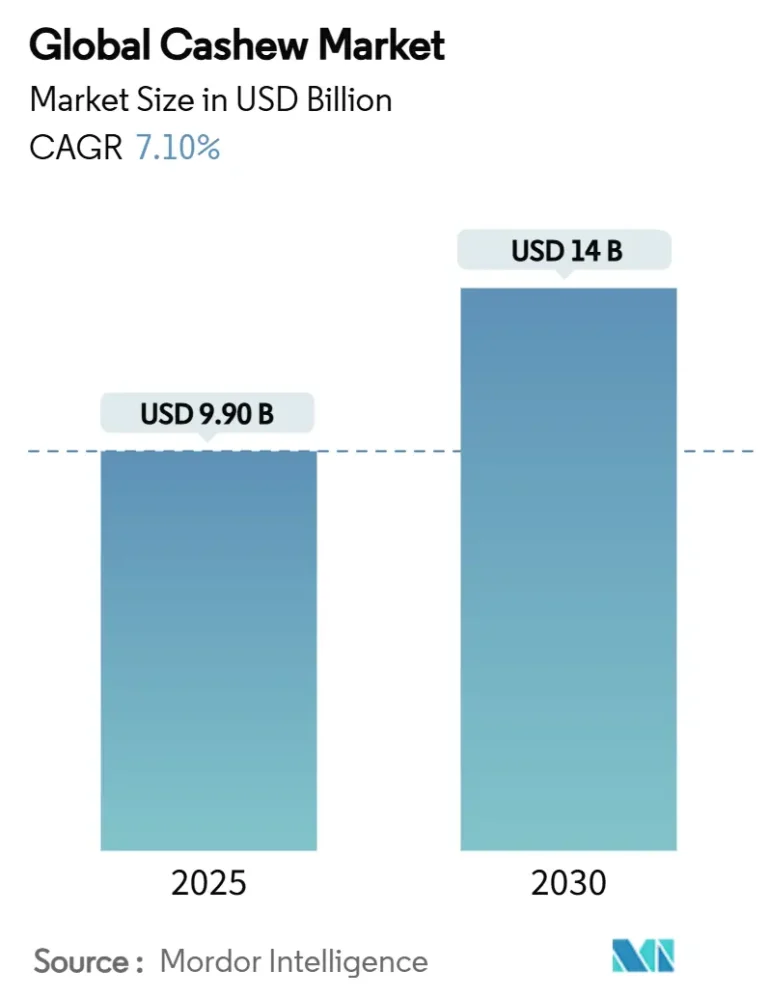
* **Growing Demand:** The global demand for cashews is steadily increasing, driven by rising incomes and changing dietary preferences.

* **Government Support:** The Nigerian government is increasingly recognizing the potential of the cashew sector and is implementing policies to promote its development. These include initiatives to provide farmers with access to improved varieties, training, and finance.

* **Untapped Potential:** With proper investment in research and development, infrastructure, and farmer training, Nigeria has the potential to significantly increase its cashew production and become a major player in the global market.

* **Organic Potential:** Given the limited use of synthetic pesticides and fertilizers on many Nigerian farms, there is a significant opportunity to develop organic cashew production.
II. Identifying High-Yield RCN Farms:
The key to sourcing high-yield RCN lies in identifying farms that consistently produce quality nuts. This requires a multi-faceted approach that combines due diligence, on-site assessments, and collaboration with local experts.
- Due Diligence: Before visiting any farms, conduct thorough due diligence to gather information about their track record, farming practices, and reputation. This can involve:
- Reviewing Farm Records: Request access to farm records, including yield data, input usage, and post-harvest handling practices.
- Checking Certifications: Verify if the farm holds any relevant certifications, such as organic or fair trade certifications.
- Conducting Background Checks: Investigate the farm’s history and reputation within the local community.
- Analyzing Soil Reports: Obtain soil reports to assess the suitability of the land for cashew cultivation.
- On-Site Assessments: Visiting potential farms allows for a firsthand assessment of their farming practices, infrastructure, and overall management. During the assessment, focus on the following:
- Tree Health and Age: Assess the health and age of the cashew trees. Healthy, mature trees are more likely to produce high yields.
- Farming Practices: Observe the farming practices employed by the farm, including pruning, fertilization, and pest control.
- Post-Harvest Handling: Evaluate the farm’s post-harvest handling practices, including drying, storage, and sorting.
- Nut Quality: Examine the cashew nuts for size, shape, color, and kernel ratio.
- Infrastructure: Assess the farm’s infrastructure, including access to water, transportation, and storage facilities.
- Collaboration with Local Experts: Engaging with local experts, such as agricultural extension officers, farmer cooperatives, and cashew processing companies, can provide valuable insights into the performance of different farms and regions. These experts can help identify high-yield farms and facilitate connections with reliable suppliers. They can also provide technical assistance to farmers to improve their farming practices and increase their yields.
III. Implementing Best Practices for Ethical and Sustainable Sourcing:
Sourcing RCN from Nigerian farms should be done ethically and sustainably, ensuring fair treatment of farmers and minimizing environmental impact. This involves implementing the following best practices:
- Fair Pricing: Pay farmers fair prices for their cashews, reflecting the quality of the nuts and the cost of production. Avoid exploitative pricing practices that can undermine the livelihoods of farmers.
- Transparency and Traceability: Establish transparent and traceable supply chains, ensuring that cashews can be traced back to their origin farms. This allows for better quality control and accountability.
- Farmer Training and Support: Provide farmers with training and support to improve their farming practices, post-harvest handling techniques, and business management skills. This can help increase their yields and improve the quality of their cashews.
- Environmental Sustainability: Promote environmentally sustainable farming practices that minimize the use of synthetic pesticides and fertilizers, conserve water resources, and protect biodiversity.
- Community Development: Invest in community development initiatives that benefit cashew farmers and their families, such as providing access to education, healthcare, and clean water.
- Long-Term Partnerships: Build long-term partnerships with farmers, based on trust, mutual respect, and shared goals. This ensures a stable and reliable supply of high-quality cashews.
- Compliance with Labor Standards: Ensure that cashew farms comply with all applicable labor standards, including those relating to child labor, forced labor, and working conditions.
IV. Navigating the Challenges of the Nigerian Cashew Market:
Sourcing RCN from Nigeria is not without its challenges. It is essential to be aware of these challenges and to develop strategies for mitigating them.
- Quality Control: Maintaining consistent quality can be challenging due to the variability in farming practices and post-harvest handling techniques. Implementing rigorous quality control measures at all stages of the supply chain is crucial. This includes inspecting cashews at the farm, during transportation, and at the processing facility.
- Price Volatility: Cashew prices can be volatile, influenced by factors such as weather conditions, global demand, and currency fluctuations. Developing strategies for managing price risk, such as forward contracting and hedging, is essential.
- Logistics and Infrastructure: Poor road networks and limited access to transportation can increase the cost and time required to move cashews from farms to processing facilities. Careful planning and coordination are required to ensure timely and efficient transportation.
- Corruption and Bribery: Corruption and bribery can be prevalent in some parts of the Nigerian business environment. Conducting thorough due diligence and establishing strong ethical standards are crucial for mitigating this risk.
- Security Concerns: Security concerns, such as banditry and kidnapping, can pose a threat to business operations in some regions. Assessing security risks and implementing appropriate security measures are essential.
- Relationship Management: Building strong relationships with farmers and other stakeholders is crucial for success in the Nigerian cashew market. This requires patience, cultural sensitivity, and a commitment to fair and ethical business practices.
V. Legal and Regulatory Considerations:
Before engaging in cashew sourcing in Nigeria, it is important to understand the legal and regulatory requirements.
- Registration and Licensing: Ensure that all necessary registrations and licenses are obtained from the relevant government agencies.
- Export Regulations: Comply with all applicable export regulations, including those relating to quality standards, phytosanitary certificates, and customs procedures.
- Contract Law: Understand the principles of Nigerian contract law and ensure that all contracts are legally binding and enforceable.
- Intellectual Property Rights: Protect intellectual property rights, such as trademarks and patents.
- Environmental Regulations: Comply with all applicable environmental regulations.
By understanding the nuances of the Nigerian cashew industry, implementing best practices for ethical and sustainable sourcing, and navigating the challenges of the market, businesses can successfully source high-yield RCN from Nigerian farms and contribute to the development of the local cashew sector. This requires a long-term commitment to building strong relationships with farmers, investing in farmer training and support, and promoting environmentally sustainable farming practices. The rewards are significant: access to a growing supply of high-quality cashews and the satisfaction of knowing that you are making a positive impact on the lives of farmers and their communities.
Related Posts


 Global Demand Nigerian Cashew Nuts Report
 Raw Cotton Export Nigerian Textile Foundation
Comments are closed