
In recent years, African nations have emerged as vital players in the global trade ecosystem, showcasing rich and diverse products ranging from agricultural exports to artisanal crafts. The complexity and variability of exporting these goods, however, necessitate a keen focus on streamlined operations. As businesses strive to take advantage of Africa’s burgeoning markets and resources, optimizing export operations becomes crucial in ensuring efficiency, sustainability, and profitability.
The Significance of African Exports
Africa is endowed with a wealth of natural resources, including minerals, oil, and agricultural outputs, that play an essential role in the global supply chain. The continent’s unique products—such as cocoa from Ivory Coast, coffee from Ethiopia, and textiles from West Africa—represent not just individual national treasures but commodities with worldwide demand. In addition, the growth of a middle class across the continent is stimulating internal consumption, driving up the demand for both local and international products.
The global marketplace increasingly recognizes the value of African products, not only for their quality but also for their sustainability. Many consumers today lean toward ethically sourced goods, making it imperative for African exporters to uphold sustainable practices while exploring new markets.
Challenges in African Export Operations
While the potential is immense, exporting from Africa comes with its set of unique challenges:
-
- Infrastructure Deficiencies: Many African countries face challenges related to insufficient transportation networks, inadequate warehousing facilities, and unoptimized logistics systems. Poor infrastructure often leads to increased transit times and additional costs.
- Infrastructure Deficiencies: Many African countries face challenges related to insufficient transportation networks, inadequate warehousing facilities, and unoptimized logistics systems. Poor infrastructure often leads to increased transit times and additional costs.
-
- Regulatory Hurdles: Exporters frequently navigate complex regulatory landscapes, where compliance with customs regulations can be daunting. Different countries have varying requirements, and ongoing changes to trade agreements can add further complications.
- Regulatory Hurdles: Exporters frequently navigate complex regulatory landscapes, where compliance with customs regulations can be daunting. Different countries have varying requirements, and ongoing changes to trade agreements can add further complications.
-
- Access to Financing: Many startups and small to medium-sized businesses in Africa struggle with financing. Capital is often scarce, and exporters may find it challenging to fund the upfront costs associated with international trade.
- Access to Financing: Many startups and small to medium-sized businesses in Africa struggle with financing. Capital is often scarce, and exporters may find it challenging to fund the upfront costs associated with international trade.
-
- Market Access: African exporters often face barriers to accessing lucrative international markets. This may be due to quotas, tariffs, or stringent quality standards that are difficult to meet without additional resources.
- Market Access: African exporters often face barriers to accessing lucrative international markets. This may be due to quotas, tariffs, or stringent quality standards that are difficult to meet without additional resources.
-
- Lack of Technology Adoption: While some businesses have embraced technology, a significant number still rely on outdated methods. The integration of digital tools can greatly enhance productivity but often meets with resistance or lack of knowledge.
- Lack of Technology Adoption: While some businesses have embraced technology, a significant number still rely on outdated methods. The integration of digital tools can greatly enhance productivity but often meets with resistance or lack of knowledge.
Streamlining Export Processes
To overcome these hurdles, businesses are increasingly adopting streamlined processes that enhance efficiency and reduce operational complexities. Below are some key strategies that exporters can leverage:
1. Investment in Infrastructure
Enhancing physical infrastructure is vital for better export operations. Investing in ports, transport networks, and digital logistics can dramatically improve the flow of goods. Public-private partnerships (PPPs) could be crucial, wherein governments collaborate with private entities to upgrade transportation systems or develop state-of-the-art warehousing facilities.
2. Employing Technology and Digital Solutions
Integrating technology into export operations not only improves efficiency but also enhances transparency in transactions. Technologies such as blockchain can provide more secure trading practices, allowing all parties to track shipments and verify product authenticity. Additionally, Export Management Systems (EMS) can simplify compliance with customs regulations, manage documentation, and facilitate communication among stakeholders.
3. Skills Development and Education
Building local expertise through training programs can address the knowledge gaps many exporters face. Workshops focusing on export regulations, quality assurance, and supply chain management can empower businesses to operate more efficiently. Collaborations with educational institutions can be a fruitful avenue for developing a pool of skilled workers adept in modern export practices.
4. Leveraging Free Trade Agreements
African nations can benefit from increased trade through Free Trade Agreements (FTAs) such as the African Continental Free Trade Area (AfCFTA). These agreements reduce tariffs and other barriers, making it easier for African products to enter or compete in international markets. Exporters should remain informed about these agreements, ensuring they leverage them effectively.
5. Building Stronger Networks
Networking plays a critical role in thriving export operations. Collaborations between exporters, trade associations, logistics companies, and government bodies can create synergies that promote growth. Regular trade fairs and exhibitions offer platforms where African producers can connect with international buyers, fostering business relationships that can lead to export deals.
6. Sustainable Practices
Adopting sustainable practices is not just ethically right but can also be a competitive edge in a world increasingly focused on sustainability. Exporters should focus on eco-friendly sourcing of materials, minimal waste production, and fair trade practices. By obtaining certifications that confirm adherence to sustainability standards, exporters can appeal to eco-conscious consumers and open new market channels.
7. Streamlining Documentation and Compliance
Effective documentation is critical for export success. Exporters should invest in document management systems that automize paperwork and compliance checks, decreasing the likelihood of costly errors. Understanding the requirements for different markets and utilizing checklists can assist exporters in navigating complex regulations.
Case Studies of Successful African Exporters
Examining successful African exporters offers valuable insights into effective operational strategies. For example, the Ghanaian cocoa industry has established systems that ensure traceability and quality while adhering to global sustainability standards. Initiatives such as the Cocoa Fertilizer Program have enabled local farmers to improve yields, thereby supporting domestic and international sales.
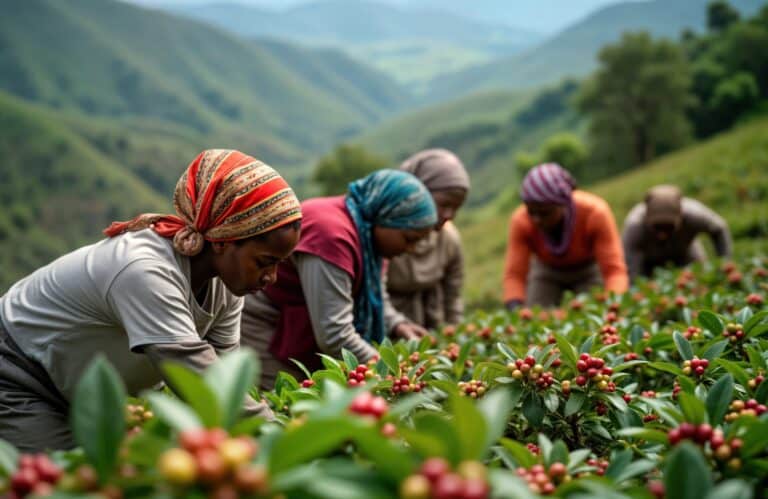
Another case study includes Ethiopian coffee cooperatives, which have successfully created a brand identity around their products. By emphasizing the unique flavors, ethical sourcing, and community involvement, they have managed to establish a loyal customer base in markets like Europe and North America. Their focus on direct trade relationships with international roasters has also ensured a stable price for their high-quality beans.
The Future of African Exports
With advancements in technology, growing emphasis on sustainability, and improvements in infrastructure, the future of African exports appears promising. Market dynamics are in flux, creating new opportunities driven by changing consumer preferences and increased focus on local sourcing.
As businesses continue to refine their export operations, the emphasis on collaboration, technology integration, and sustainable practices will redefine how African products are perceived globally. By addressing existing challenges and innovating their approach, African exporters can contribute significantly to the global economy while enhancing their local communities.
Related Posts
 Supply Chain Mastery African Export Logistics


Comments are closed