
Introduction
Nigeria has distinguished itself as a leading player in the global cashew nut market. With its rich agricultural landscape and optimal climate conditions, the country is making significant strides in the quality and production of cashew nuts. As the demand for high-quality cashew nuts continues to soar worldwide, understanding how to source these nuts from Nigerian farms can lead to great opportunities for businesses and consumers alike. This article delves into the various aspects of quality cashew nut sourcing in Nigeria, covering the cultivation processes, market trends, and the role of stakeholders in the supply chain.
The Cashew Tree and Its Varieties
The cashew tree (Anacardium occidentale) thrives in tropical climates, making Nigeria’s warm weather an ideal environment for its growth. Local farmers primarily cultivate two main varieties: the ‘Nigerian Cashew’ and ‘Portuguese Cashew.’ The Nigerian variety is preferred for its higher yield and resistance to pests, while the Portuguese variety is known for its sweeter kernels. Understanding these varieties is crucial for sourcing quality nuts, as the type will impact not only flavor but also pricing and international market acceptance.
Nutritional Value
Cashew nuts are not just a delicacy; they are packed with nutrients. Rich in fats, particularly monounsaturated fatty acids, they are beneficial for heart health. Additionally, cashews are a good source of protein, minerals, and vitamins, making them a staple food in many diets. The growing awareness of health benefits associated with nuts has led to increased demand, further emphasizing the importance of quality sourcing.
Sustainable Farming Practices
One vital consideration for sourcing quality cashew nuts is ensuring that farms practice sustainable farming. Sustainability in cashew cultivation involves several elements, including:
-
Soil Health: Practices that enhance soil quality, like crop rotation and organic fertilization, are essential for producing high-quality nuts.
-
Pest Management: Integrated Pest Management (IPM) techniques are critical for reducing the dependence on chemical pesticides, which can adversely affect nut quality.
-
Water Conservation: Given that Nigeria faces water scarcity in some regions, sustainable water management practices are essential for consistent harvests.
-
Biodiversity: Maintaining a diverse ecosystem around cashew farms can lead to lower pest incidence and improved soil health, ultimately increasing nut quality.
Farmers who invest in these sustainable practices often produce nuts that meet international quality standards, making them more attractive for export.
Quality Standards
Quality is paramount when it comes to exporting cashew nuts. International standards, including those set by the International Standards Organization (ISO) and the United Nations Economic Commission for Europe (UNECE), serve as benchmarks. These standards take into account various factors:
- Kernel Color: High-quality cashew nuts should display a light beige color.
- Size: Uniformity in kernel size is crucial for better market acceptance.
- Flavor: Sweet, nutty flavors are preferred; any rancidity can lead to rejection.
- Moisture Content: Low moisture content (around 5%) is vital for shelf stability and to prevent mold growth.
Farmers and processors in Nigeria need to be keenly aware of these quality standards to ensure their products can reach international markets.
Quality Assessment Techniques
Quality assessment starts as early as the harvesting stage. Farmers often employ various methods to determine the quality of their nuts, including:
- Visual Inspection: Checking for defects, discoloration, and twinning.
- Sampling: Random samples taken from batches help in assessing quality before sale.
- Moisture Testing: Often done using a moisture meter, this is critical for ensuring the longer shelf life of cashew nuts.
Processors play a significant role in this stage, often refining the harvested nuts through sorting and grading methods aimed at meeting both local and international standards.
Packaging and Logistics
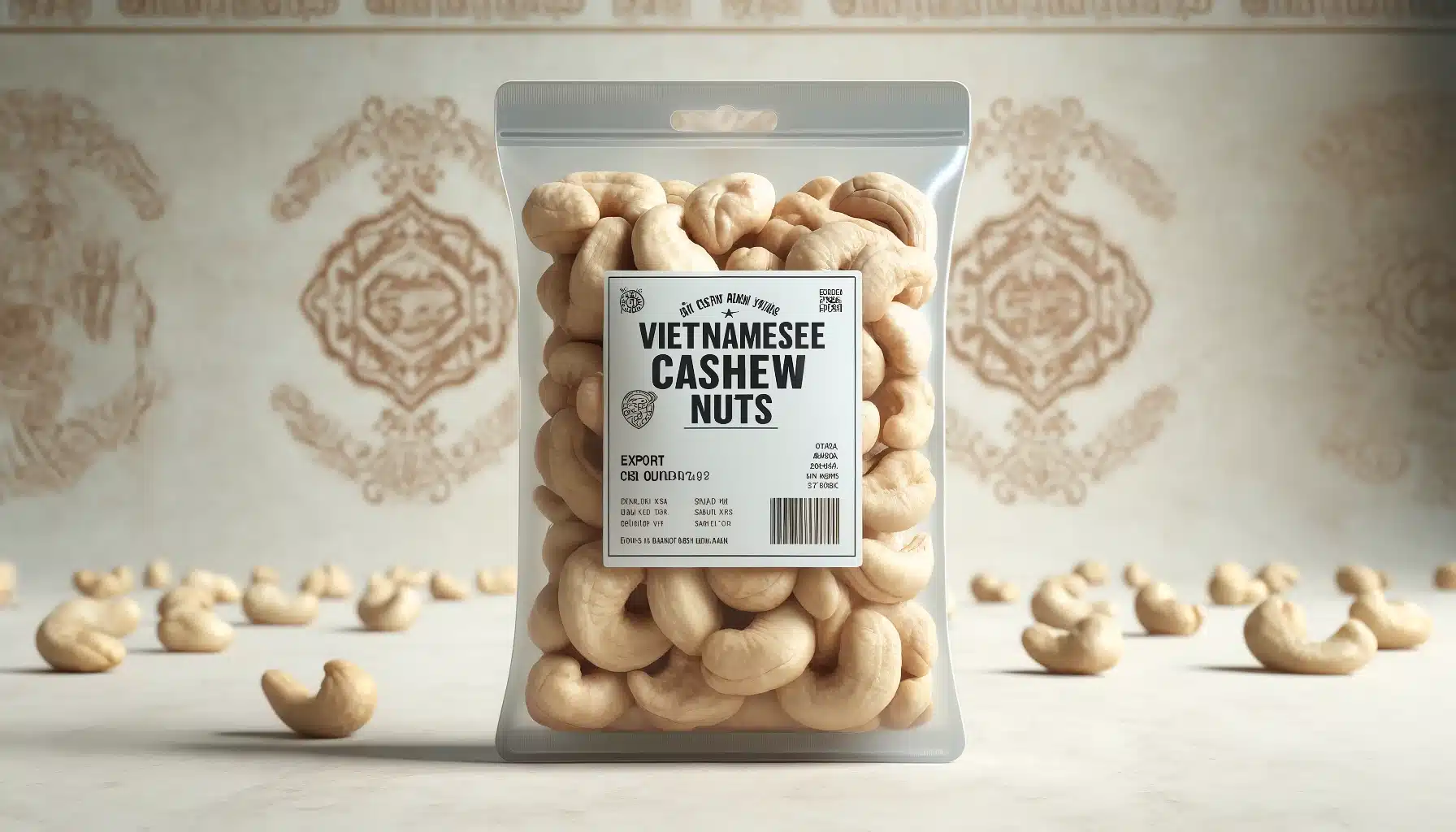
Once the nuts have been harvested, processed, and sorted, the next critical step is packaging and logistics. Proper packaging not only protects the nuts from physical damage and contaminants but also plays a role in marketing.
Packaging Materials
High-quality packaging materials are essential when exporting cashew nuts. Options include:
- Vacuum-Sealed Bags: These help in maintaining freshness.
- Branded Boxes: Attractive branding can improve market appeal.
- Fully Biodegradable Options: Such packaging is becoming increasingly popular to meet the sustainability demands of global consumers.
Logistics
Efficient logistics are crucial for maintaining the quality of cashew nuts from the farm to the consumer. The nuts must be shipped quickly and under controlled conditions to prevent spoilage. Engaging reliable logistics partners can ensure that the goods reach their destination in optimal condition.
Export Channels
Nigerian cashew nuts can access various international markets through both direct sales and partnerships with international distributors. Understanding the legal frameworks and regulatory requirements in target markets is also essential for successful exporting.
Market Trends and Economic Impact
The global demand for cashew nuts has been on the rise, largely due to their health benefits and versatility in culinary uses. The U.S. and Europe are among the biggest consumers, with increasing interest in Asian markets, particularly China and India.
Economic Contribution
The cashew industry is pivotal for Nigeria’s economy. It provides thousands of jobs, primarily in rural areas, and contributes to local economies. The government’s support through initiatives aimed at boosting production and quality has a multiplier effect, helping farmers invest in better practices while also increasing their income.
Future Prospects
With the global market for nuts expected to continue expanding, Nigerian farmers who focus on quality sourcing stand to benefit immensely. By forming cooperatives, they can enhance their bargaining power, access better resources, and reach wider markets, ultimately transforming the cashew sector within the country.
Role of Stakeholders
Multiple stakeholders play an integral role in the cashew nut supply chain. These include:
-
Farmers: The foundation of the supply chain; their practices significantly impact the quality of the nuts.
-
Processors: They enhance the quality of farm produce through various methods, including sorting and packaging.
-
Exporters: They facilitate the shipping process and ensure adherence to international standards.
-
Consumers: Understanding consumer preferences can guide farmers and processors to produce nuts that meet market demands.
-
Government: Regulatory frameworks and support systems provided by the government influence the entire supply chain, from funding to technical support.
Close collaboration among these stakeholders is essential for enhancing the overall quality of cashew nuts sourced from Nigerian farms.
Conclusion
N/A




Comments are closed